Dry Inlay

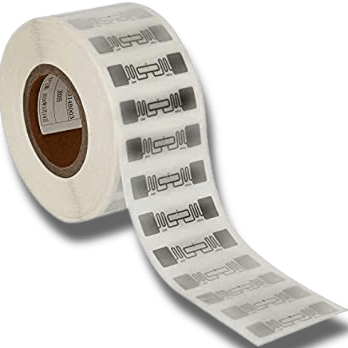
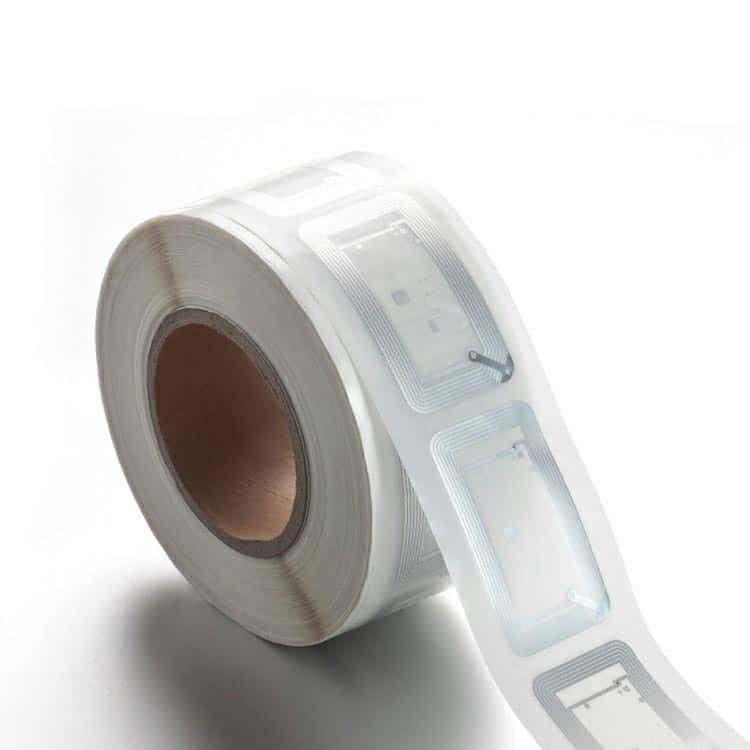
A Dry Inlay is a fundamental component in Radio Frequency Identification (RFID) systems, consisting of an RFID chip and antenna mounted onto a substrate without an adhesive backing. This configuration allows for seamless integration into various products and packaging during the manufacturing process.

Category:
0 People watching this product now!

Contact for orders / consultation

Mr. Yivi (Khmer/English)
Phone: (+855) 715 226 263
Email: sale1@navilabelsolutions.com

Mr. Kong Channaro (Khmer/Vietnamese/English)
Phone: (+855) 713 120 022
Email: sale2@navilabelsolutions.com

Mr. Sokkha (Khmer/Vietnamese)
Phone: (+855) 705 11 012
Email: sale3@navilabelsolutions.com
Description

A Dry inlay is a fundamental component in Radio Frequency Identification (RFID) systems, consisting of an RFID chip and antenna mounted onto a substrate without an adhesive backing. This configuration allows for seamless integration into various products and packaging during the manufacturing process. Unlike Wet Inlays, which include an adhesive layer for direct application, Dry Inlays are designed for embedding within labels, tags, or other materials, offering flexibility in design and application.

Key highlights

  • Material composition: Dry Inlays typically comprise a microchip (IC) and an antenna affixed to a flexible substrate, such as PET (Polyethylene Terephthalate). This construction ensures durability and adaptability for embedding into various products. ​
  • Customization: The absence of an adhesive layer allows manufacturers to apply their preferred adhesives and customize the shape and size of the inlay to meet specific application requirements. ​
  • Cost efficiency: Without the additional adhesive layer found in Wet Inlays, Dry Inlays are generally more cost-effective to produce, making them suitable for large-scale deployments.

Applications

Dry inlays are utilized across various industries due to their versatility:

  • Retail: Integrated into product packaging and labels for inventory management and anti-theft purposes.​
  • Logistics and supply chain: Embedded in shipping labels and pallets to facilitate real-time tracking and efficient inventory control.​
  • Healthcare: Used in patient wristbands and medical equipment tracking to ensure accurate identification and location monitoring.​
  • Access control: Incorporated into ID badges and access cards for secure entry systems.

Benefits

  • Enhanced integration: The flexible nature of Dry Inlays allows for seamless embedding into various materials and products without altering existing designs.​
  • Improved durability: By integrating the inlay within protective layers, the RFID components are safeguarded against environmental factors, extending their lifespan.​
  • Scalability: Cost-effective production makes Dry Inlays ideal for large-scale applications requiring numerous RFID tags.

Popular types

UHF dry inlays: Suitable for long-range applications such as inventory tracking and asset management.

HF dry inlays: Commonly used in applications like access control and payment systems where proximity scanning is required.

NFC dry inlays: Utilized in contactless payment systems and smart posters for interactive marketing.

Why choose Navi Label Solutions?

  • High-quality products at competitive prices
    We provide top-tier Dry Inlays that meet industry standards without compromising affordability.​
  • Expert consultation
    Our team of professionals offers tailored advice to help you select the most suitable inlays for your specific applications.​
  • Customization options
    We offer a variety of sizes and configurations to match your unique requirements, ensuring optimal performance.

Have questions? We're here to help!

PROPERTIES

Primis
  • Cagittis
  • Parturient convallis (60% magna, 40% natoque)
  • Adipiscing duis
  • Habitant metus
Colour:Ultricies senectus
Dimensions:Hhimeos: 23 cm, Eleifend: 53 cm, Ullorper: 15 cm
Wolutpat:3.2 kg (vestibulum mus)
Mus nostra:34,2 cm
Netus dolor:Yes
Facilisi:No
Dignissim:216364

RECENTLY VIEWED