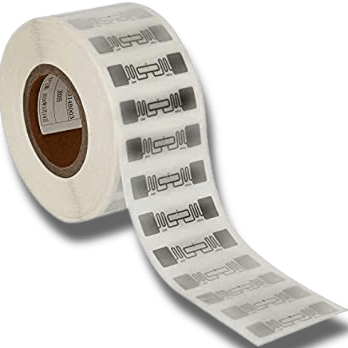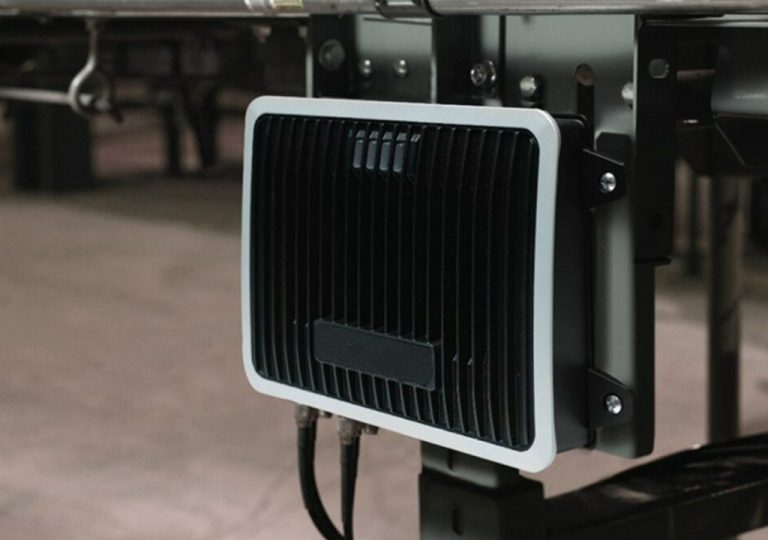
Classification of RFID readers

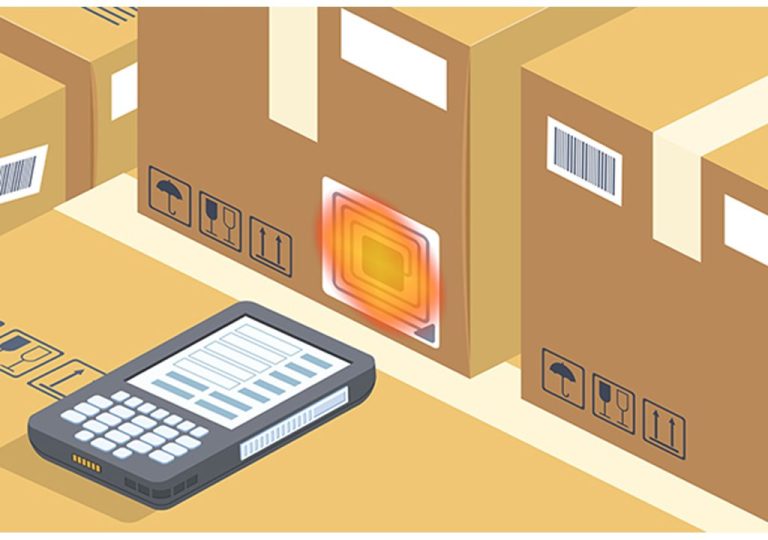
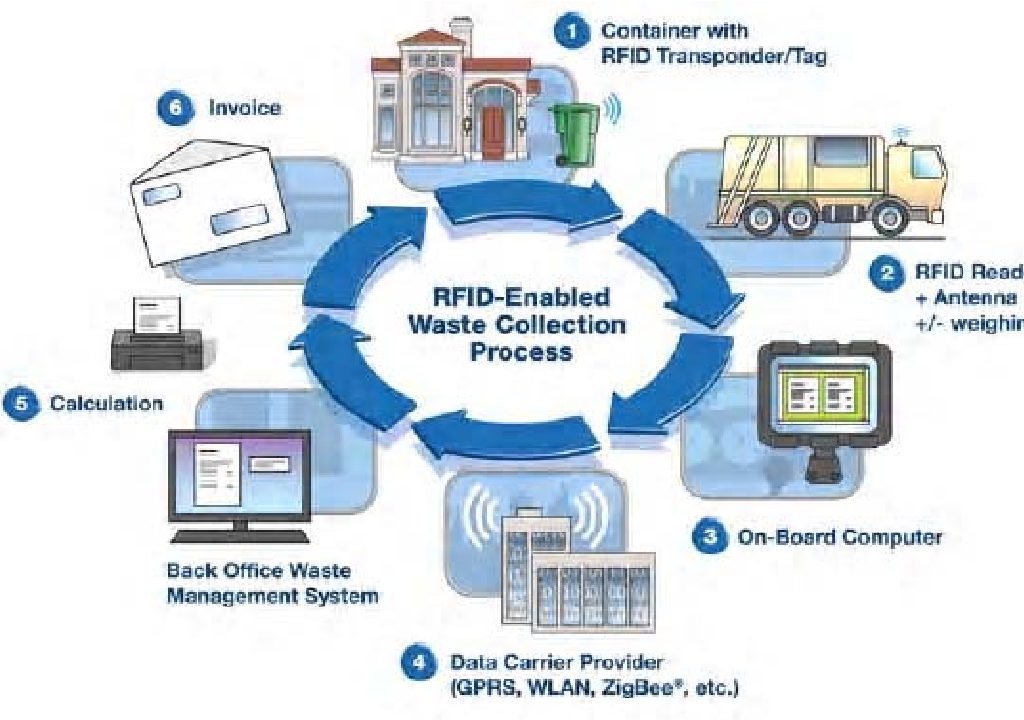
An RFID reader, also known as a radio-frequency identification reader, is a device used to collect information from RFID tags and track individual objects. Radio waves transmit data from the tag to the reader, following the global EPC...
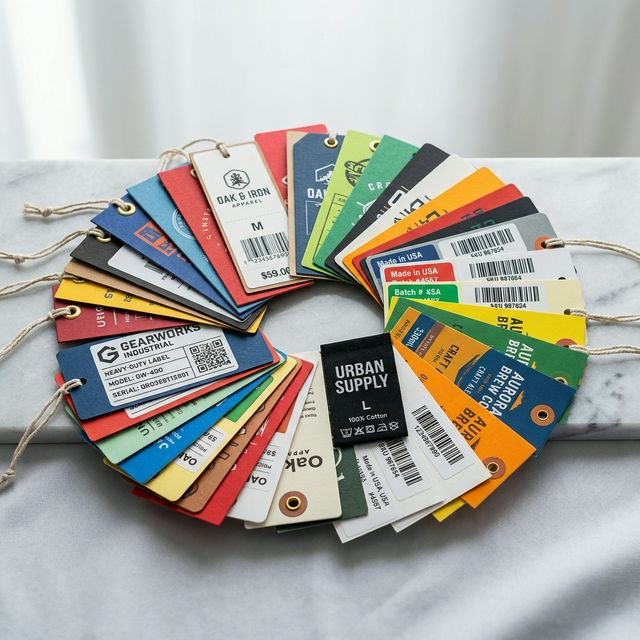
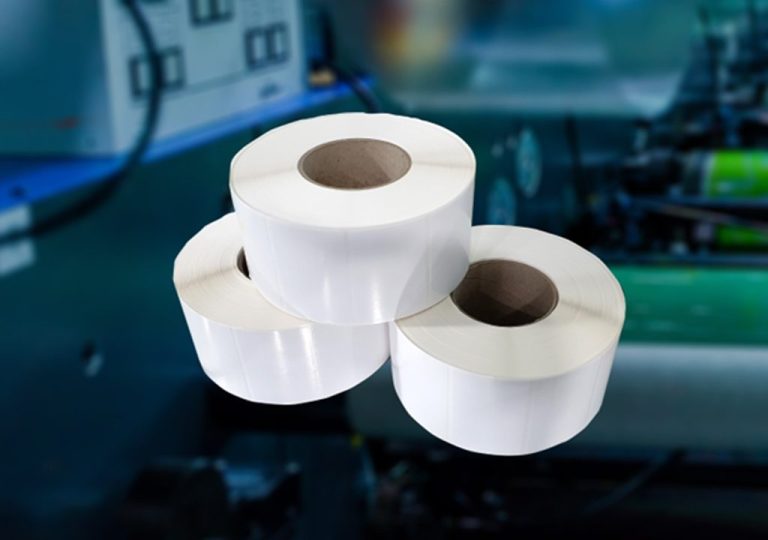
Water-Based Inks and the Shift to Cleaner Label Printing in 2026
Explore why label printing is shifting to water-based inks in 2026 — lower emissions, food-contact safety, and recyclability — and how to choose the right ink for your labels.
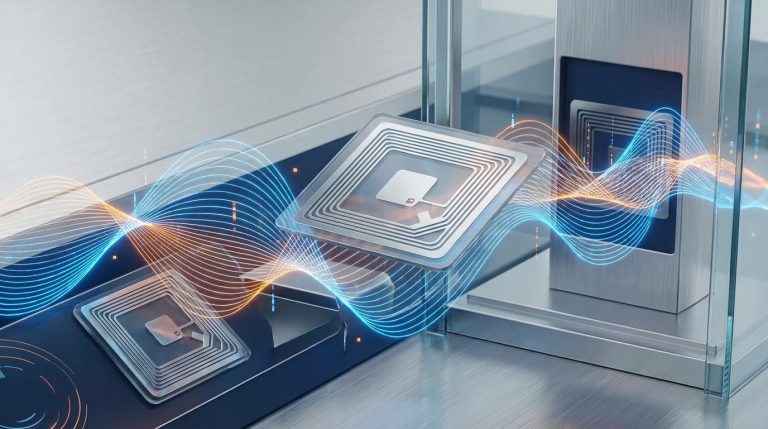
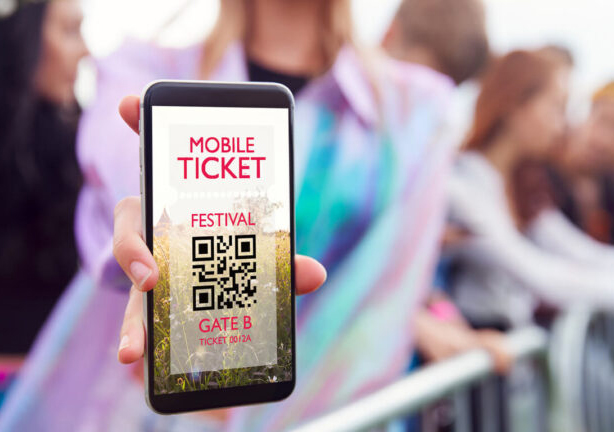
Smart Labels: How QR, NFC and RFID Are Transforming Packaging in 2026
Discover how smart labels with QR codes, NFC, and RFID connect products to digital information — and how to choose the right connected-label technology in 2026.
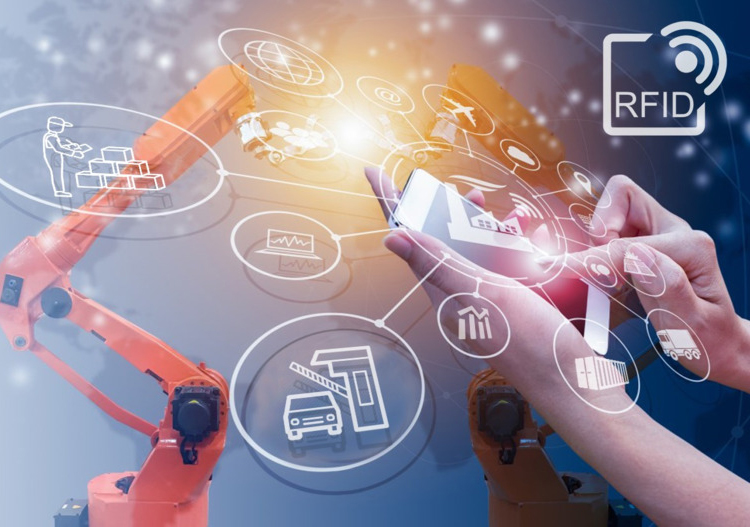
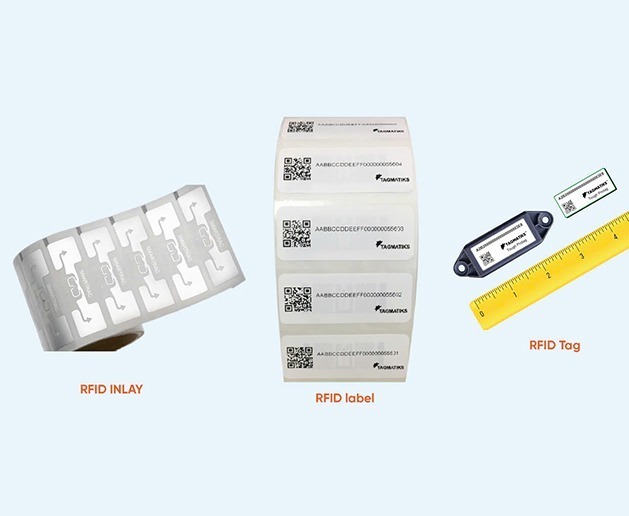
How to Choose the Right RFID Technology for Your Business
RFID technology has become a core tool for businesses managing inventory, assets, access control, and supply chains. But not all RFID systems are the same. Choosing the wrong frequency band or tag type can hurt read performance and...

Barcode Scanner Types Explained: Choosing the Right Reader (2026)
Barcode scanner types compared for 2026: laser, linear imager and 2D imager engines, plus form factors and connectivity tips to pick the right reader fast.

The combination of AI and RFID technology
AI and RFID are a powerful pairing: RFID captures real-time data from physical items, while AI turns that data into smart, automated decisions. RFID builds on global standards from GS1 EPC/RFID, and putting the combination to work starts...
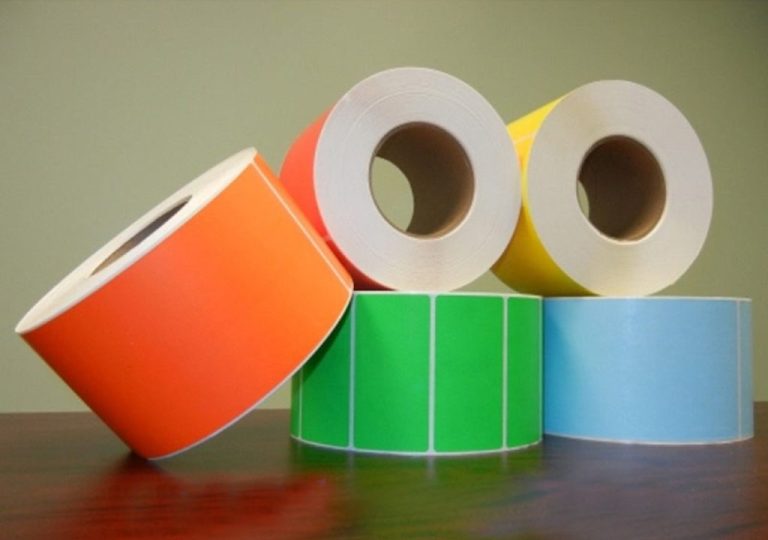
Sustainable & Eco-Friendly Label Printing: A 2026 Guide for Brands
Explore sustainable label printing in 2026 — recyclable and compostable materials, linerless formats, and water-based inks — to reduce waste without losing quality.