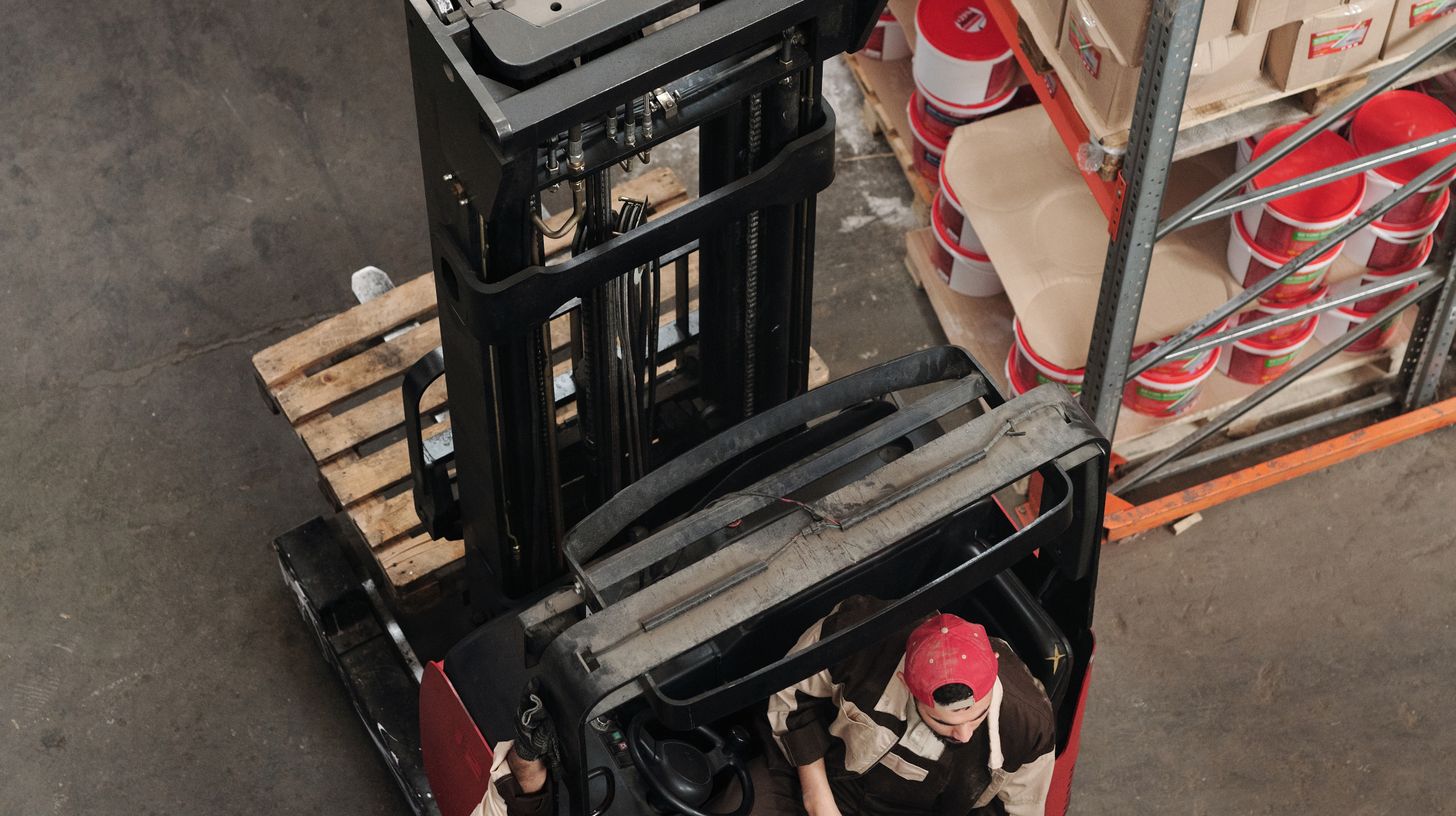

An RFID implementation plan is the difference between a pilot that scales and a pilot that gets quietly unplugged after six months. The technology almost never fails on its own. What fails is the assumption that a tag which read beautifully on a workbench will read the same way on a loaded pallet moving through a dock door.
Most of the expensive surprises are decided before any hardware arrives. Which items get tagged, who applies the tag, what counts as a successful read, and what number the project has to hit to be called a success — those four answers shape the entire budget.
This guide works through an RFID implementation plan in the order the decisions actually have to be made: define the read event, specify the tagged item rather than the tag, build a pilot that is allowed to fail, then scale on evidence instead of optimism.
1. Why Projects Stall Between Pilot and Production

Passive UHF RFID does something barcodes cannot. GS1 describes capturing unique identifiers at very high rates, without line-of-sight, at distances well in excess of ten metres. That capability is real, and it is exactly what makes scoping hard: because it reads everything, it also reads things you did not mean to count.
A stalled RFID implementation plan almost always traces back to one of these.
- No baseline. If you never measured your current count accuracy, you cannot prove the system improved anything.
- No definition of a read event. “Track our stock” is not a specification. “Every carton leaving dock door 3 is recorded within two seconds” is.
- Tag chosen before the item was understood. A general-purpose label on a steel drum or a filled bottle will underperform, and the project gets blamed instead of the placement.
- Pilot conditions that never existed. Empty racking, one pallet, no forklifts, no neighbouring readers. Production has all four.
- No owner for tag application. If your supplier is not tagging at source, someone in your building is, and that labour cost belongs in the business case.
2. Step One: Write Down the Read Event

A read event is a single sentence containing an item, a place, a moment, and a tolerance. Get this written and the rest of the RFID implementation plan mostly writes itself, because each read event maps to a physical location where an antenna has to sit.
Work through four questions for each event.
- What is being identified? An individual item, a carton, a pallet, or a reusable asset. These are different tags and often different data models.
- Where does the read happen? A fixed portal, a conveyor, a shelf, a handheld sweep, or a gate. Fixed infrastructure costs more and needs less labour; handheld is the reverse.
- How fast is the item moving? Dwell time in the read field decides whether one antenna is enough.
- What happens on a miss? If a missed read stops the line, you need redundancy. If it just gets picked up at the next cycle count, you do not.
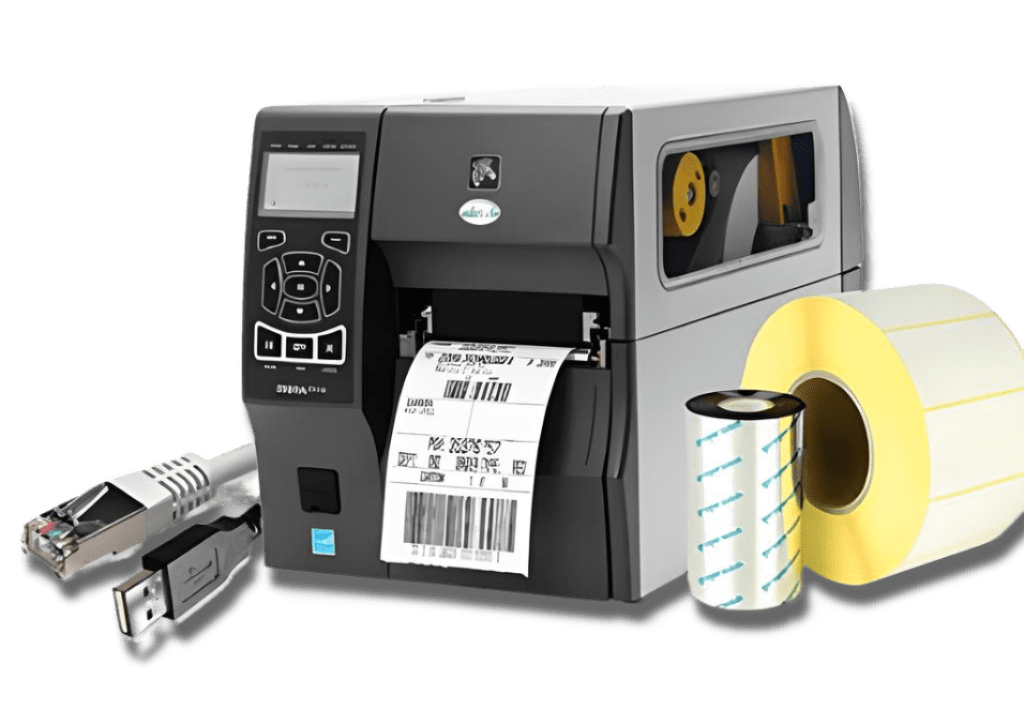
Handheld sweeps are usually the cheapest honest starting point, and our RFID scanners and handheld readers cover that stage without committing you to fixed portals on day one.
3. Step Two: Specify the Tagged Item, Not Just the Tag

This is the single most useful idea in the whole discipline, and the one an RFID implementation plan most often skips. A tag has a datasheet. A tag stuck to your product, in your packaging, at your chosen position, has a completely different performance profile.
GS1 formalised exactly this distinction. The Tagged-Item Performance Protocol (TIPP) provides a standard way to express performance requirements and a standard test protocol to verify the performance of a tagged item rather than a tag on its own, so end users and suppliers can agree on a grade and have it verified independently. Version 1.2 added a family for smart cabinets and enclosures, driven largely by pharmaceutical use.
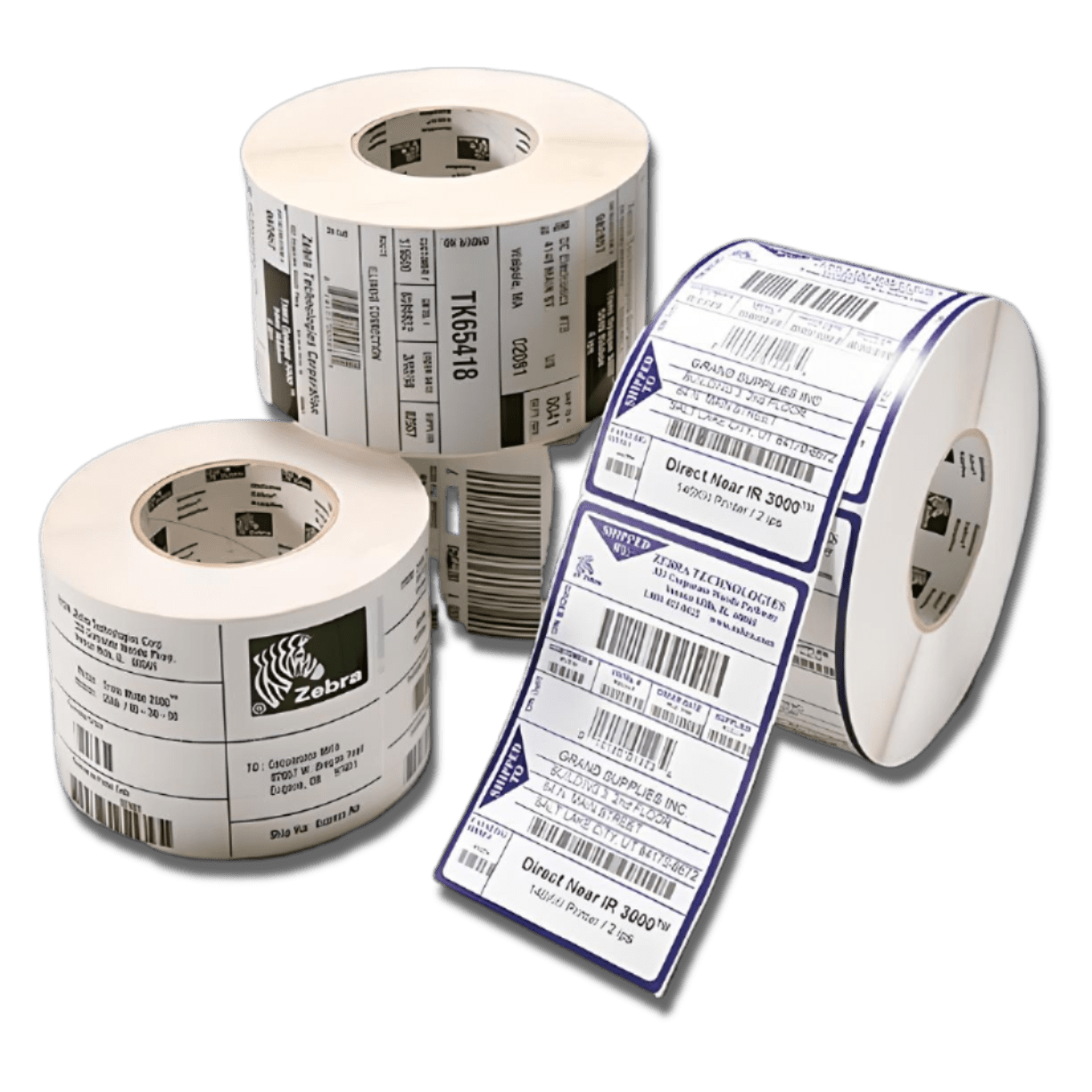
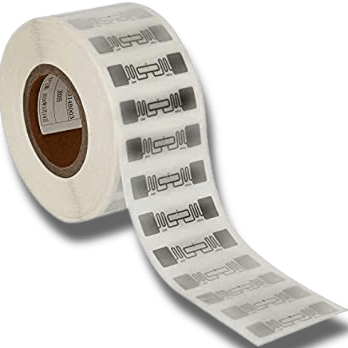
Practically, that means your specification names the grade you need, not the part number you guessed at. It also means you choose the construction to match the item: dry inlays for converters who laminate their own labels, wet inlays for direct application, and dedicated on-metal tags where a standard label would detune. All of those sit in our RFID labels and inlays range.
If you are still deciding between frequency bands and tag families, our guide on how to choose the right RFID technology covers that selection step in more detail.
4. Step Three: Design a Pilot That Is Allowed to Fail

A pilot without a pass mark is a demonstration, not a test. Your RFID implementation plan should fix the threshold before the pilot runs, and fix it against the baseline you measured in step one. Then run the pilot in the worst realistic conditions you have, not the best.
| Stage | What to measure | A reasonable pass mark | The usual mistake |
|---|---|---|---|
| Bench check | Tag reads at all, on the actual item | Every sample reads at short range | Testing on cardboard instead of the real product |
| Static placement | Best and worst position on the item | One position works consistently | Accepting the first position that works once |
| Dynamic read | Reads at real line or walking speed | Matches the static result | Slowing the process down for the test |
| Dense population | Reads with a full pallet or full shelf | Little loss versus a single item | Testing one item at a time |
| Interference | Reads with other readers and forklifts running | Stable across a full shift | Testing at lunchtime when the site is quiet |
| Repeatability | Same route, same operator, three runs | Results within a narrow band | Running once and calling it proven |
Two details are worth building in from the start. Pre-encoding removes a whole class of on-site error, and we can encode EPCs and apply access and kill passwords before the tags reach you. And keep one control group untagged, so you can still compare against the old process honestly.
5. What Is Changing for RFID Rollouts in 2026
Three shifts are worth factoring into an RFID implementation plan being written now, because they change what hardware you should be asking suppliers about.
The air interface standard is being revised
The underlying UHF standard is moving. ISO/IEC FDIS 18000-63 is at edition 4 and in the approval phase, set to replace the 2021 version. On the GS1 side, Gen2v3 adds tag selection inside inventory commands, the ability to modulate radiated field strength so fringe tags interfere less, and a simpler way to read user and TID memory. Nothing from Gen2v2 was deprecated, so this is additive rather than a forced migration.
Vendors are layering performance features on top of the standard
Impinj markets Gen2X as a standards-compatible enhancement and claims it can roughly halve inventory cycle times while improving reads on small tags in dense stacks. Treat vendor figures as vendor figures and verify them on your own items, but do ask whether a reader you are about to buy supports these features, because retrofitting is more expensive than specifying.
Item-level tagging is spreading beyond apparel
Apparel proved the model. The growth now is in health and beauty, food, pharmaceuticals and automotive parts, which means smaller items, more metal and more liquid. That pushes tag selection and placement from a detail into a central part of the plan.
6. Putting Your RFID Implementation Plan Together

A workable RFID implementation plan fits on a few pages. If it needs a binder, it will not be read, and it will not be followed.
- The baseline number. Current accuracy, current labour hours, current error cost. Without it there is no return to report.
- The read events. One line each: item, place, moment, tolerance.
- The tagged-item specification. Grade required, construction, placement position, and who applies it.
- The pilot and its pass mark. Written down before the pilot runs.
- The data model. What the EPC encodes, and which system owns the record.
- The scale trigger. The specific result that authorises phase two.
Order an RFID implementation plan in that sequence and the hardware conversation becomes short, because you already know what the system has to do.
Why Work With Navi Label Solutions?
Need Help Scoping an RFID Rollout?
Send us the item you want to identify, the surface it sits on, where the read has to happen and how fast the item moves. That is enough for us to recommend a tag construction and a starting placement.
If the item involves metal, liquid, cold storage or washdown, tell us early. It changes the tag family, not just the size.

Frequently Asked Questions
How long should an RFID pilot run?
Long enough to cover a full operating cycle, including a busy period and a shift change, before your RFID implementation plan commits to phase two. A week of ordinary trading tells you more than a month of quiet weeks, because congestion and interference are what break read rates.
Should suppliers tag at source or should we tag on receipt?
Source tagging is cheaper per item and removes a handling step, but it needs a specification your suppliers can actually meet and verify. Tagging on receipt gives you control and is often the right way to start, provided the labour is in the business case rather than hidden in it.
Do we need fixed readers, or will handheld readers do?
If a missed read has to stop a process, you need fixed infrastructure. If a miss can be corrected at the next count, handheld sweeps are usually enough and cost far less to deploy. Many sites run handheld for the first phase and add portals only where the data proves they are needed.
What should we do about items made of metal or filled with liquid?
Treat them as a separate specification from the start rather than an exception later. Standard paper-face labels typically detune on metal, and liquid absorbs UHF energy, so those items need purpose-built tags and a tested placement — our guide to RFID tag placement on metal and liquids covers how to find one. We stock on-metal UHF RFID tags for exactly this case.
How many read points do we need?
One per read event you wrote down, plus redundancy only where a miss is expensive. Counting antennas before defining read events is the fastest way to over-buy hardware.