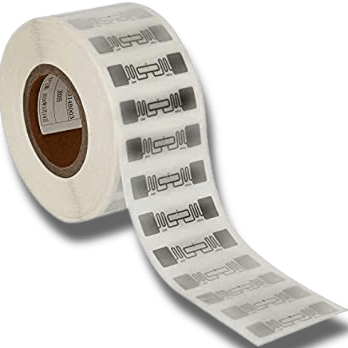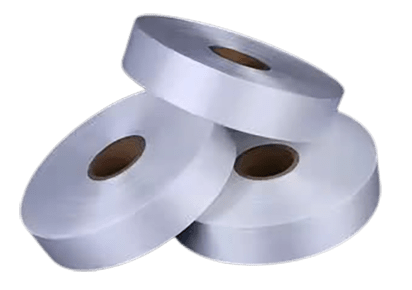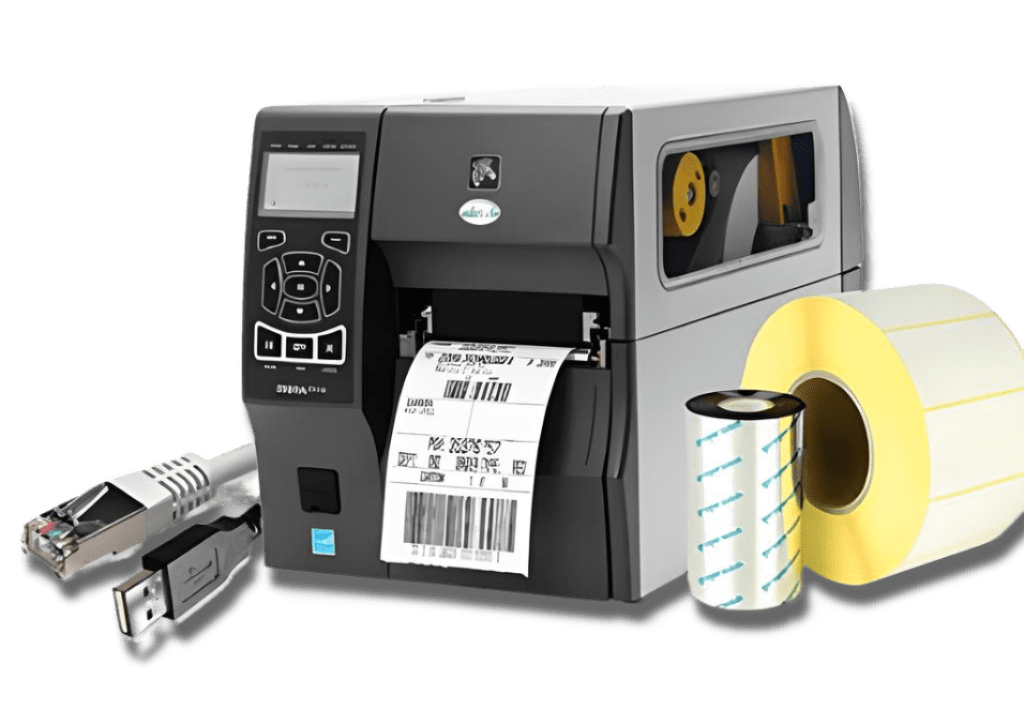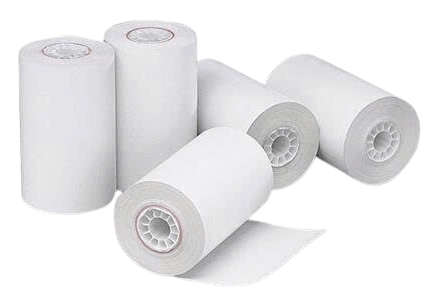
RFID label manufacturing process

https://www.youtube.com/watch?v=UPJuGlElBus
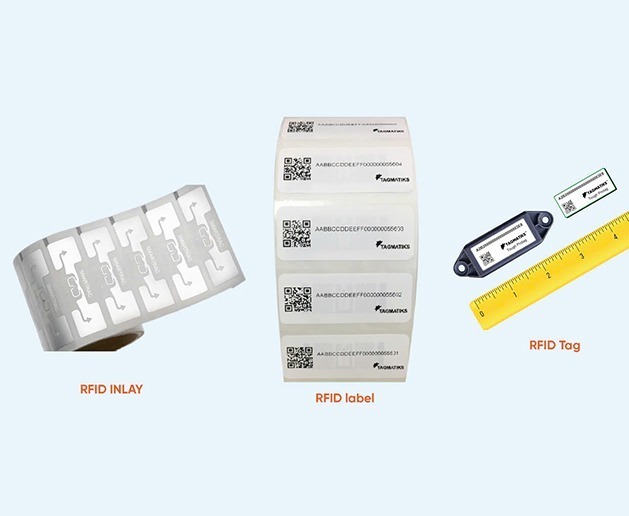
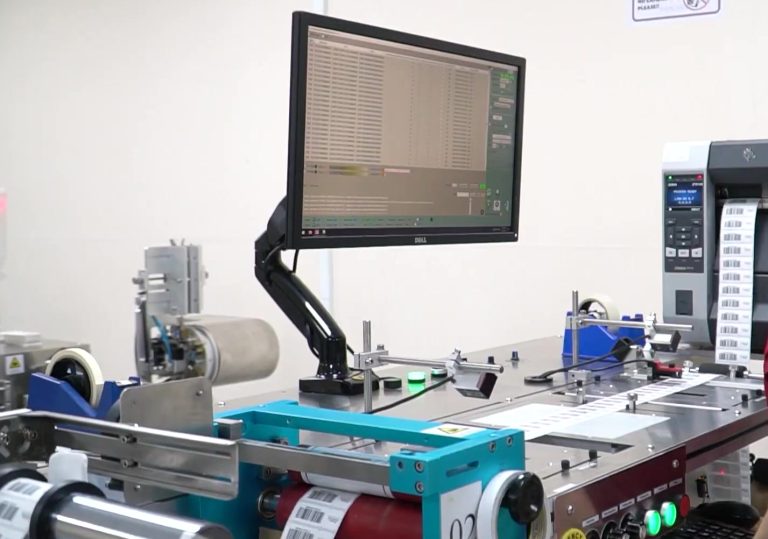
RFID label manufacturing turns raw inlays into finished smart labels through several precise steps, from design to quality control. The encoded data follows the global EPC standards maintained by GS1 EPC/RFID, and the finished labels depend on...

Smart Labels: How QR, NFC and RFID Are Transforming Packaging in 2026
Discover how smart labels with QR codes, NFC, and RFID connect products to digital information — and how to choose the right connected-label technology in 2026.
Discover RFID
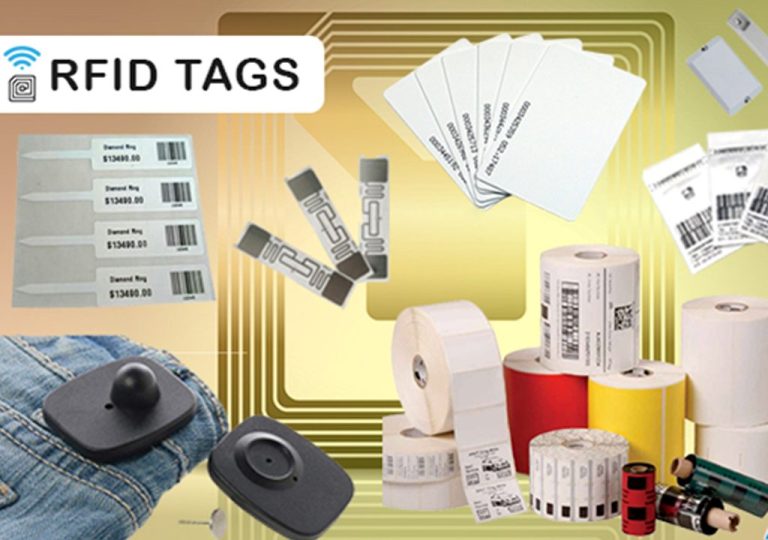
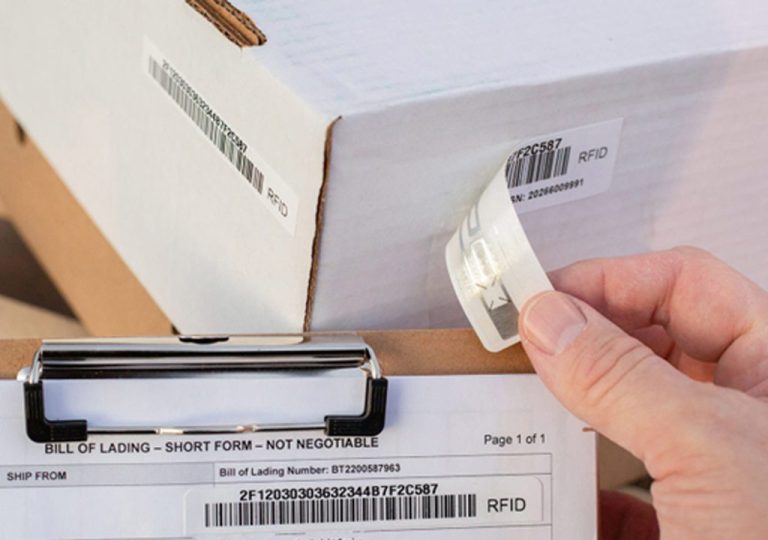
A printable RFID tag represents a significant advancement in information management. By integrating RFID technology with digital printing, these tags not only store and transmit data via radio waves but also allow direct printing of text, barcodes, or...
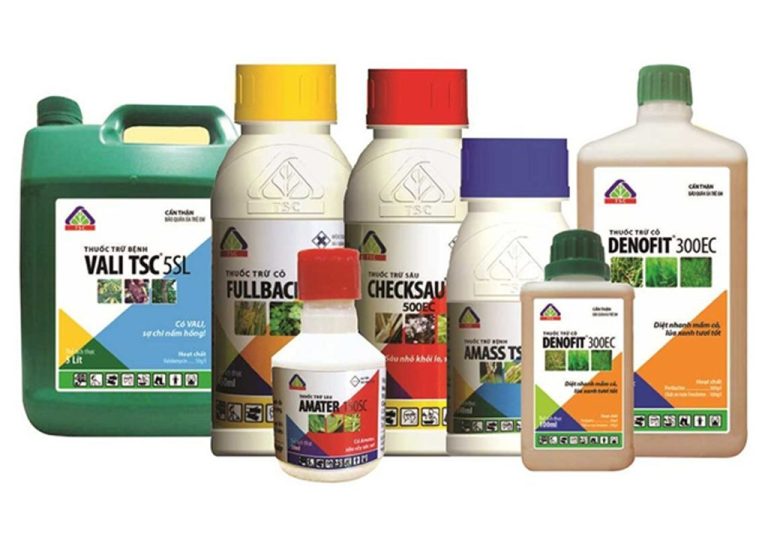
Lubricant and chemical labels
Chemical labels are essential for lubricants, oils and hazardous goods, carrying the safety, handling and compliance information that products in the chemical and oil and gas industries require. Chemical and petroleum labels are indispensable components in the chemical...
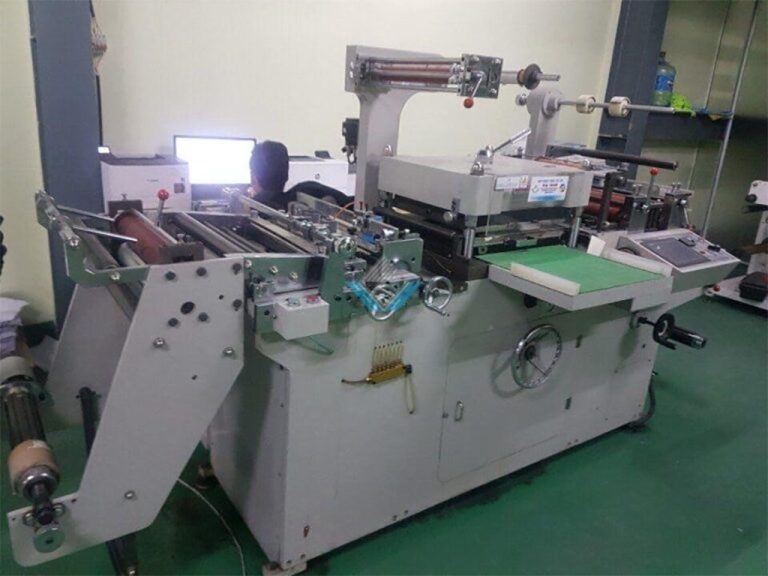
Waterproof & Weatherproof Labels: A Complete Guide for 2026
Discover how waterproof and weatherproof labels are made, the best materials for wet and outdoor use, and how to choose the right durable label in 2026.
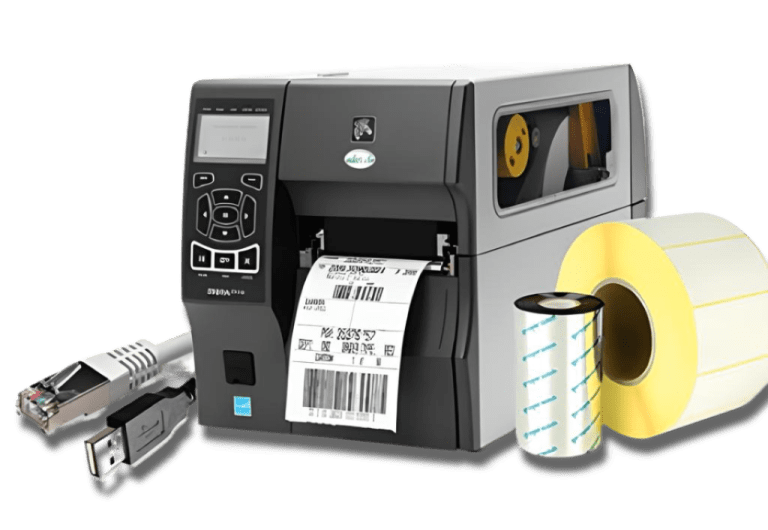
Thermal Transfer vs. Direct Thermal Label Printing: Which Is Right for You in 2026?
Compare thermal transfer and direct thermal label printing — durability, cost, materials, and best uses — to choose the right method for your products in 2026.
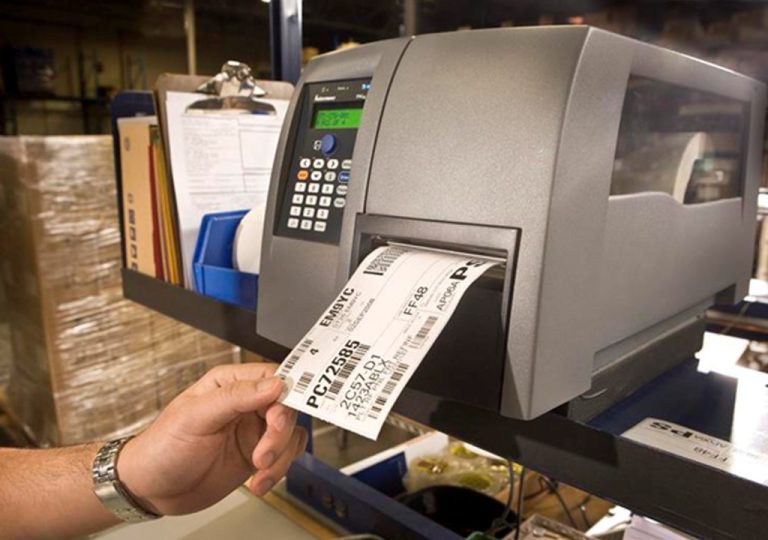
What is an RFID printer? Types and functionality of RFID printers
An RFID printer is a modern printing solution widely adopted across Industry 4.0 applications. It both prints and encodes RFID tags in a single pass, following the global EPC standards maintained by GS1 EPC/RFID. To use one effectively,...