Sustainable & Eco-Friendly Label Printing: A 2026 Guide for Brands

Sustainable label printing has moved from a nice-to-have to a buying factor. Eco-friendly label printing helps brands reduce waste, meet regulations, and meet customer expectations — without giving up the quality and durability products need.
At Navi Label Solutions, we help businesses choose greener materials, adhesives, and finishes that lower environmental impact while keeping labels practical for real-world use.
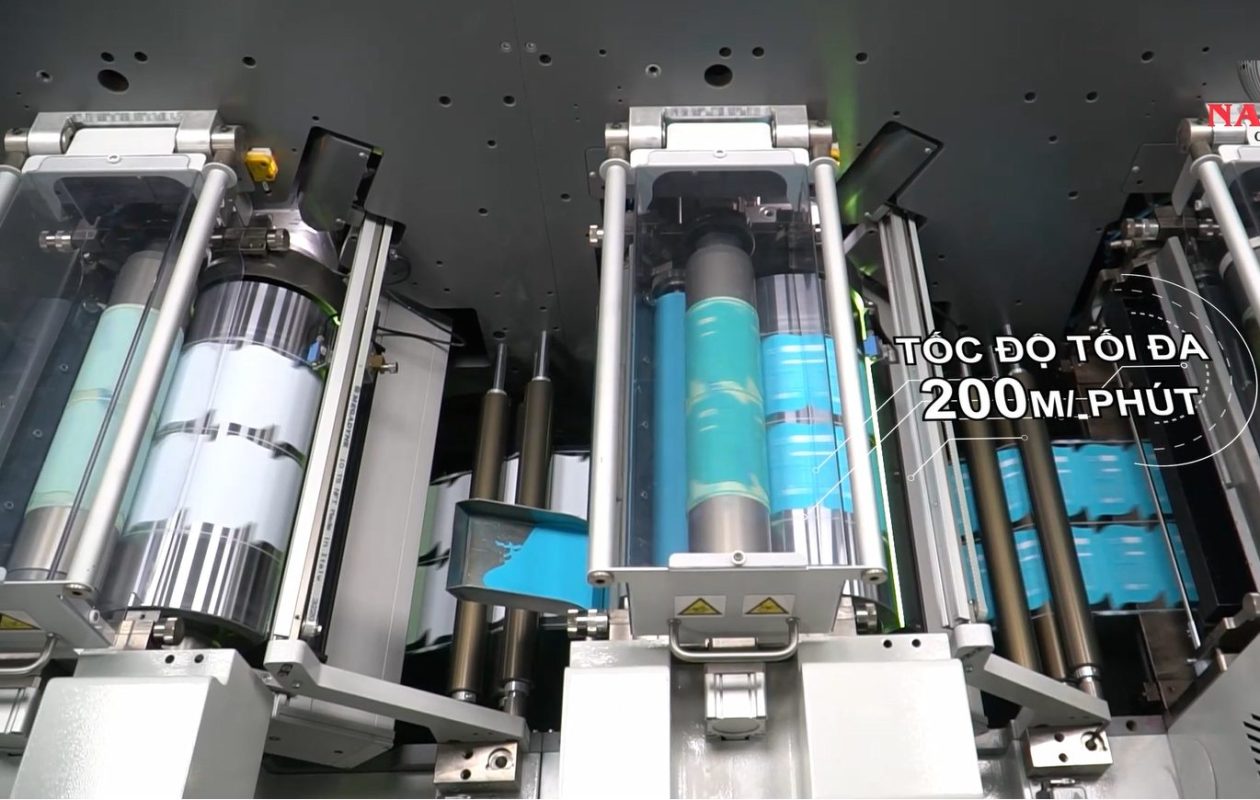
1. Why Sustainable Labels Matter Now

Packaging waste is under growing scrutiny from regulators and consumers alike. Labels are a small but visible part of that footprint, and switching to recyclable or reduced-waste options is one of the easiest sustainability wins for a product.
Greener labels also support recycling: when a label and its container are compatible, the whole package is easier to recycle.
2. Eco-Friendly Material Options
Sustainable face materials are now widely available without a major drop in performance.
- Recycled paper: Made with post-consumer content for indoor labels.
- FSC-certified stock: Sourced from responsibly managed forests.
- Compostable films: Plant-based materials for suitable applications.
- Recyclable synthetics: Mono-material films that fit recycling streams.
3. Reducing Waste Beyond the Material
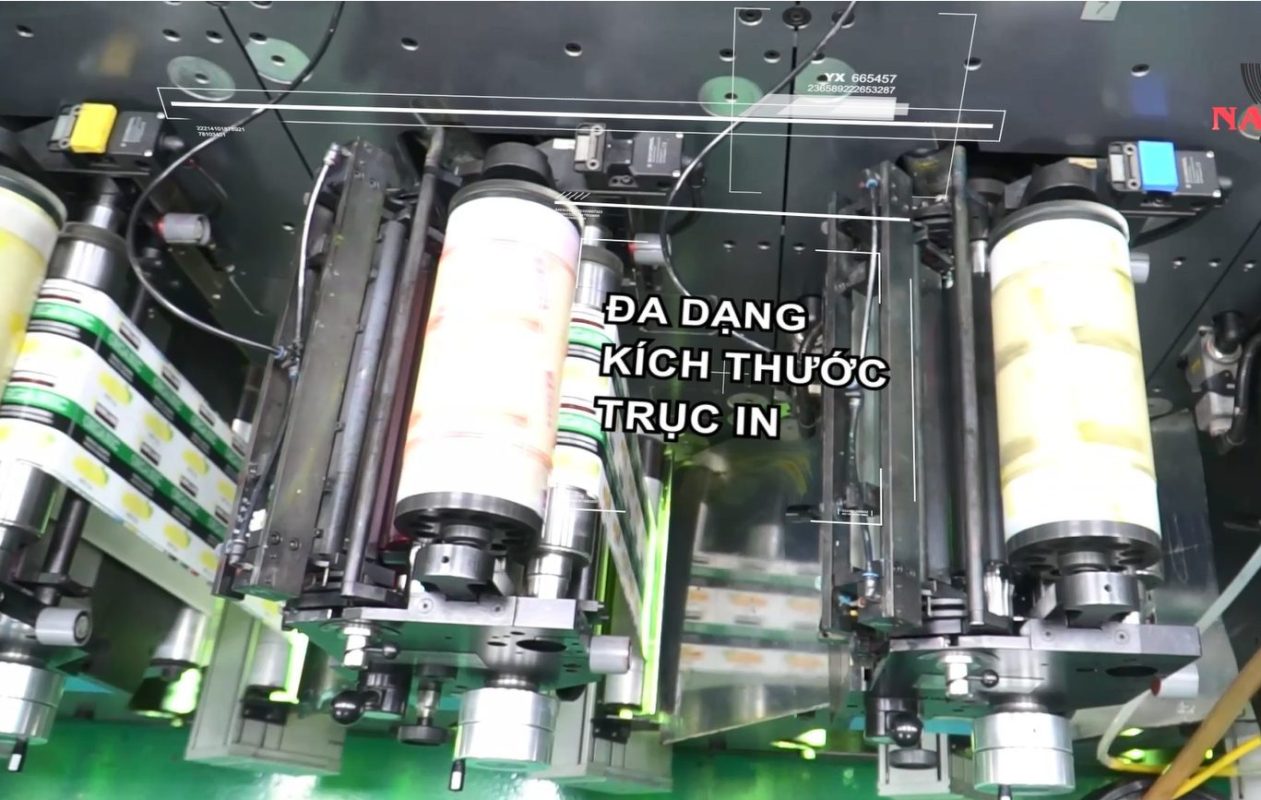
Material is only part of the picture — how labels are made and applied matters too.
- Linerless labels: Remove the silicone backing, cutting waste and storage.
- Thinner liners and face stocks: Less material per label.
- Water-based inks and adhesives: Lower solvent emissions.
- Right-sized labels: Avoid oversized labels and trim waste.
4. Comparing Sustainable Options
| Option | Benefit | Best For |
|---|---|---|
| Recycled paper | Lower raw material use | Indoor, dry products |
| FSC-certified | Responsible sourcing | Brand-conscious products |
| Compostable film | Breaks down after use | Organic / natural brands |
| Recyclable mono-film | Fits recycling streams | Bottles and containers |
| Linerless | Cuts backing waste | High-volume logistics |
5. Greener Labeling: The 2026 Outlook
In 2026, expect wider use of mono-material packaging for easier recycling, growth in linerless and water-based systems, and clearer on-label recycling guidance via QR codes. Sustainability claims are also becoming more regulated, so accurate labeling matters more than ever.
6. Practical Steps Toward Sustainable Label Printing
The first move in sustainable label printing is matching a sustainable material to your product without giving up the performance it needs. Reduce waste through right-sizing, thinner liners, or linerless formats, and choose water-based inks where possible. Verify any environmental claims so your labels stay both green and compliant.
Why Work With Navi Label Solutions?
Going greener should not mean labels that fail. We help you find recyclable or reduced-waste options that still hold up in the real world, and we keep your sustainability claims accurate and compliant.
Greener Material Options
Recycled, FSC-certified, compostable, and recyclable mono-films matched to what your product can realistically use.
Waste Reduction Built In
Linerless formats, thinner liners, and right-sized labels that cut waste without hurting day-to-day performance.
Accurate, Compliant Claims
Help keeping recyclability and eco claims on-label accurate, so your sustainability message stays credible and compliant.
Want a Greener Label Solution?
Looking to make your labels greener without losing performance? Tell us your sustainability goal and product, and we’ll recommend recyclable or reduced-waste options that still hold up — with accurate, compliant claims.
- Your sustainability goal (recyclable, compostable, less waste)
- The product and recycling stream it belongs to
- Performance needs the label still has to meet
- Any eco claims you want to display

Sustainable Label FAQs
Are eco-friendly labels less durable?
Not necessarily. Recyclable synthetics and quality recycled stocks can match conventional performance for most uses. The key is matching the sustainable material to the product’s real durability needs.
What is a linerless label?
A linerless label has no silicone backing liner. This cuts waste, reduces storage and shipping volume, and is popular for high-volume logistics and food labels.
Can sustainable labels be recycled with the packaging?
Yes, when the label material is compatible with the container. Mono-material labels on matching containers make the whole package easier to recycle.