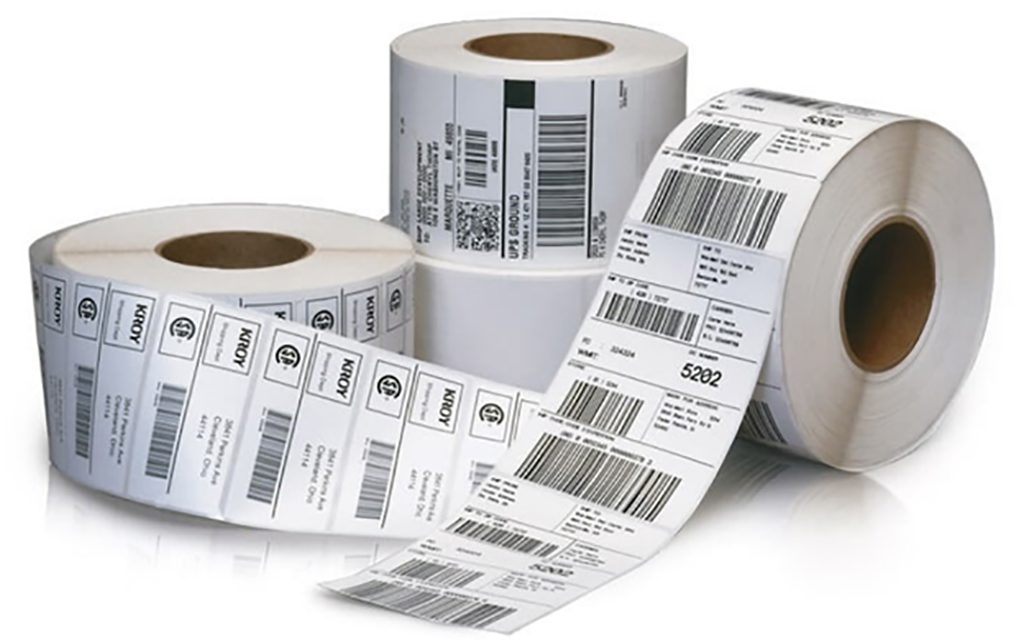

Few environments are tougher on freezer labels than cold storage. Condensation, frost, and sub-zero temperatures cause ordinary labels to curl, peel, or fall off entirely. Freezer and cold storage labels are engineered to stay attached and readable from the moment they are applied.
At Navi Label Solutions, we build cold-chain labels with the right adhesive and durable print so critical information survives freezing, frost, and handling.

1. Why Cold Defeats Ordinary Labels
Most label failures in cold storage come down to adhesive. Standard permanent adhesives become brittle and lose tack at low temperatures, especially on surfaces that already carry condensation or frost when the label is applied.
Once an edge lifts, frost gets underneath and the label peels — taking your batch, date, or barcode information with it.
2. Freezer-Grade Adhesives Explained
The adhesive is the single most important factor for cold labels.
- Freezer-grade adhesive: Designed to bond at low and sub-zero temperatures.
- All-temp adhesive: Applies at room temperature, holds in the freezer.
- Wet-surface adhesive: Grips surfaces with condensation or light moisture.
- Application tip: Apply before freezing where possible for the strongest bond.
3. Durable Faces and Print for Cold Chain
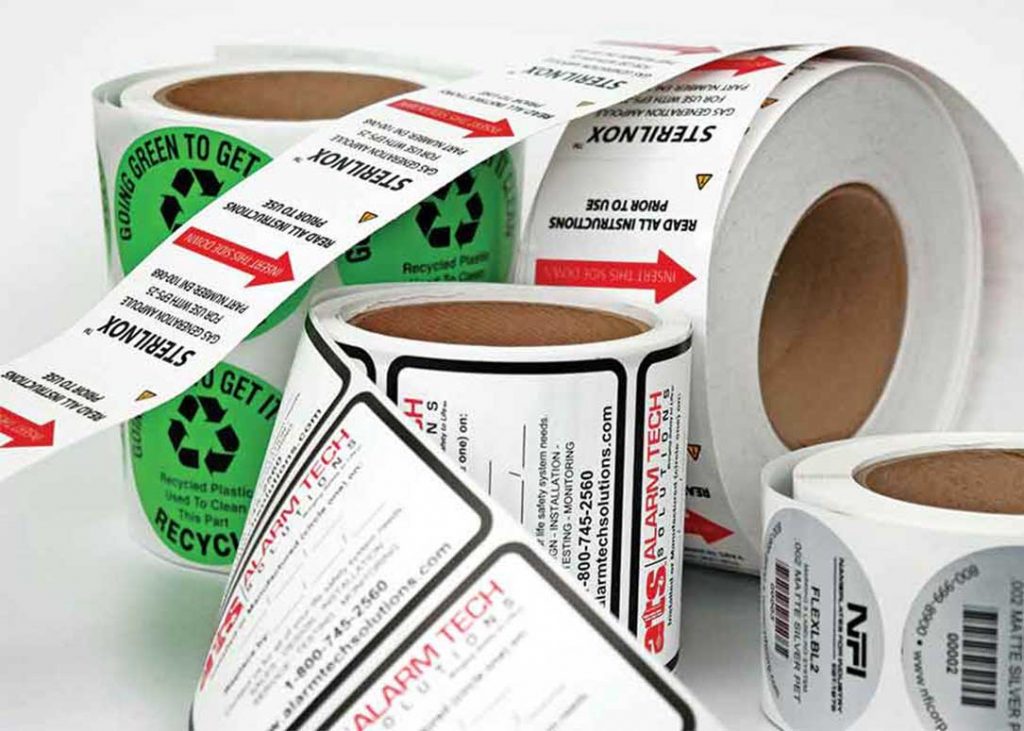
Beyond adhesive, the face stock and print must resist moisture and abrasion.
- Synthetic film or polyester face: Won’t absorb moisture or tear.
- Thermal transfer with resin ribbon: Smudge- and water-resistant print.
- Avoid direct thermal: It can fade and is sensitive to moisture.
- Optional laminate: Extra protection for frequently handled items.
4. Cold Storage Label Selection
| Condition | Adhesive | Face / Print |
|---|---|---|
| Refrigerated (above 0°C) | All-temp | Film + resin |
| Frozen (below 0°C) | Freezer-grade | Polyester + resin |
| Apply onto frozen goods | Freezer-grade, wet-surface | Polyester + resin |
| Condensation present | Wet-surface | Synthetic film |
| Frequent handling | Freezer-grade | Laminated polyester |
5. Cold-Chain Labeling in 2026

Cold-chain visibility is a priority in 2026, with growing use of barcode and QR-based traceability, tamper-evident labels, and even temperature-indicating labels for sensitive goods. Reliable adhesion remains the foundation that makes all of this possible.
6. Getting Freezer Labels Right
Pin down three things: the lowest temperature, whether the surface is wet or frosty, and if you label before or after freezing. Then pair a freezer-grade or wet-surface adhesive with a synthetic face and resin print. Always test a sample through a full freeze cycle before committing to a large order.
Why Work With Navi Label Solutions?
Cold storage is where cheap labels fail fastest. We pair the right freezer-grade adhesive with durable faces and resin print, then test through a full freeze cycle so nothing peels when it matters.
Cold-Rated Adhesives
Freezer-grade and wet-surface adhesives that bond at low temperatures, even when applied onto frosty or damp goods.
Moisture-Proof Print
Synthetic faces with resin thermal transfer print that resist smudging and stay legible through freeze cycles.
Freeze-Cycle Tested
We test samples through a full freeze cycle so nothing curls or peels once your product hits cold storage.
Need Labels That Survive the Freezer?
Tired of labels peeling in the freezer? Share your lowest temperature, surface condition, and whether you label before or after freezing, and we’ll spec a cold-rated label and test it through a full freeze cycle.
- Lowest temperature the label will reach
- Surface condition (dry, damp, or frosty) at application
- Apply before or after freezing
- Handling frequency in cold storage

Freezer Label FAQs
Why do my freezer labels keep falling off?
This is almost always an adhesive issue. Standard permanent adhesive loses grip in the cold, especially on damp or frosty surfaces. A freezer-grade or wet-surface adhesive solves the problem.
Can I apply freezer labels to already-frozen products?
Yes, but you need a freezer-grade or wet-surface adhesive specifically rated for application onto cold, frosty surfaces. Applying before freezing always gives the strongest bond.
What print method works best for freezer labels?
Thermal transfer with a resin ribbon on a synthetic face is best, since it resists moisture and smudging. Direct thermal is not recommended because it can fade and is moisture-sensitive.