RFID Tag Placement: Getting Reads on Metal and Liquids (2026)

RFID tag placement decides whether a tag reads at all. How metal detunes antennas, why liquid absorbs UHF energy, and where to position tags that work.
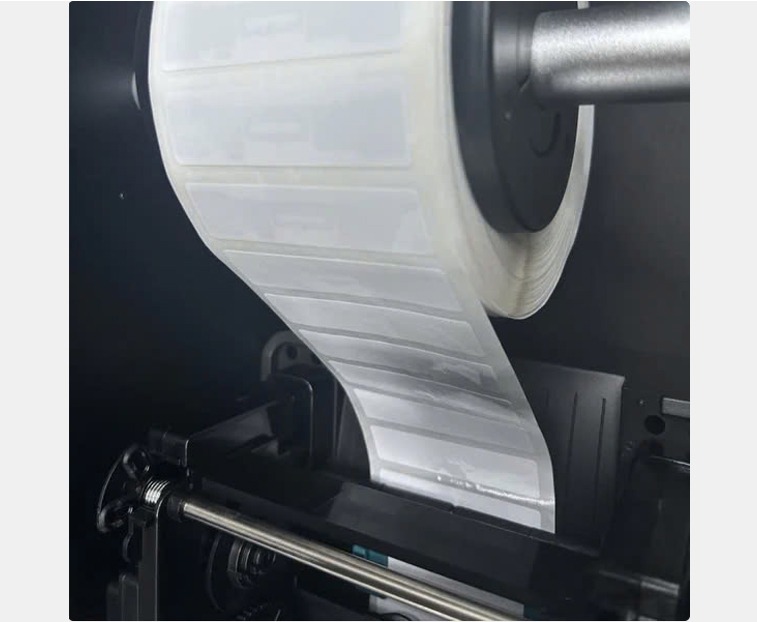
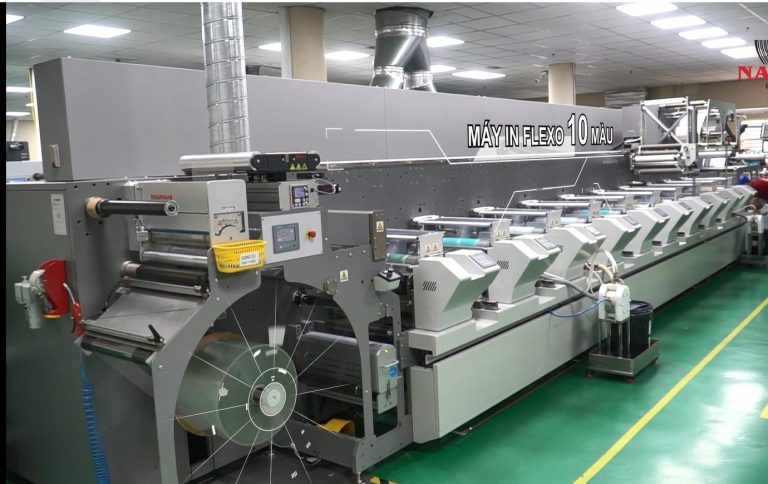
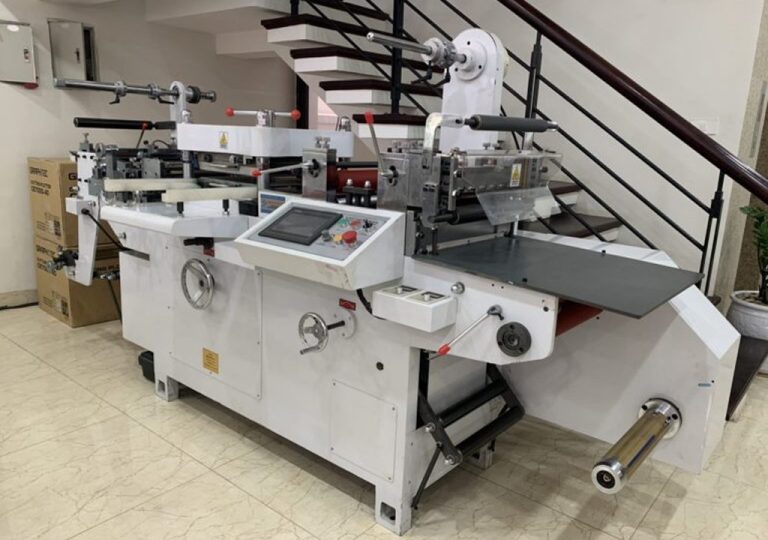
Digital vs. Flexographic Label Printing: Which Fits Your Run in 2026?
Compare digital and flexographic label printing — cost, speed, run length, and finishes — plus hybrid printing trends, to choose the right method for 2026.

Pharmaceutical labels and stickers – Medical labeling solutions
Pharmaceutical labels play a crucial role in conveying essential information from doctors to pharmacies and end users. They help ensure proper medication usage by indicating dosage instructions, timing, ingredients, precautions, and warnings. These labels are designed to emphasize...
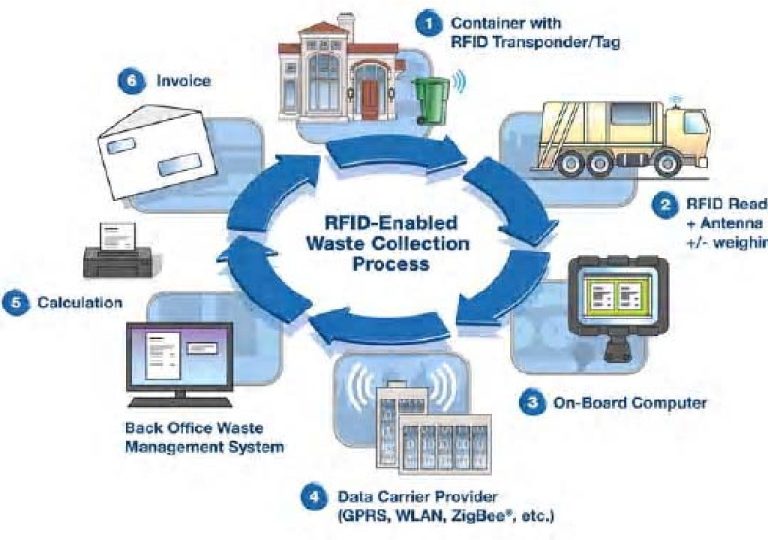
RFID Solution for Safe and Effective Medical Solid Waste Management
RFID medical waste tracking is transforming how hospitals, clinics, and healthcare facilities manage hazardous solid waste. It supports the safe handling practices recommended by the World Health Organization, and a reliable rollout starts with choosing the right labels...

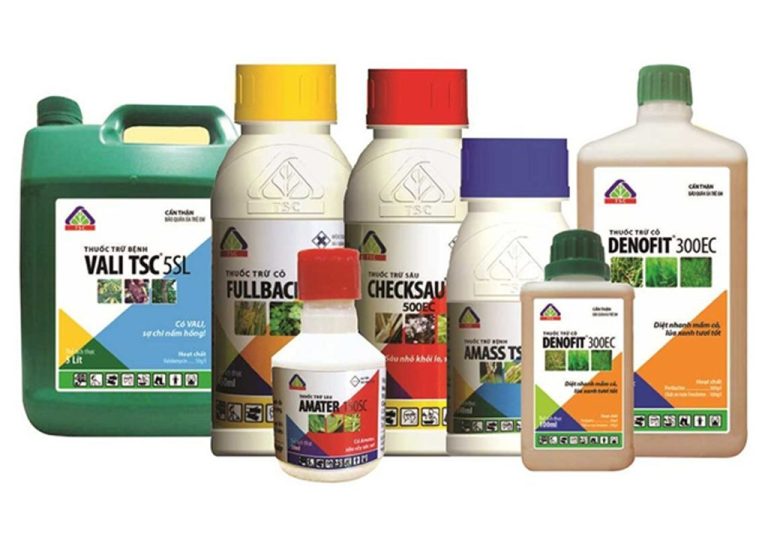
Regulation-Driven Label Design: Staying Compliant in 2026
A 2026 guide to regulation-driven label design — mandatory content, compliance challenges, and how to balance legal requirements with brand appeal on your labels.
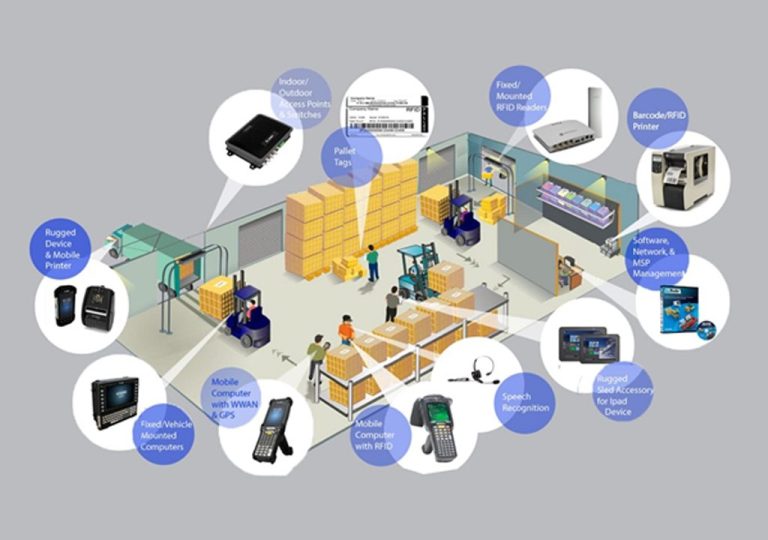
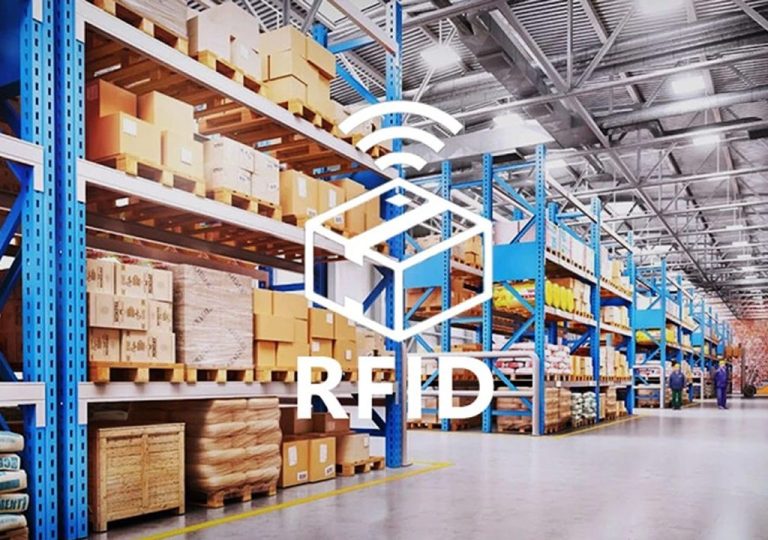
RFID technology in warehouse management
RFID in warehouse management uses radio waves to track inventory automatically, replacing slow manual scans with real-time visibility. Built on global standards from GS1 EPC/RFID, it performs best when paired with the right labels for your products.Radio Frequency...

How to Choose the Right RFID Technology for Your Business
RFID technology has become a core tool for businesses managing inventory, assets, access control, and supply chains. But not all RFID systems are the same. Choosing the wrong frequency band or tag type can hurt read performance and...