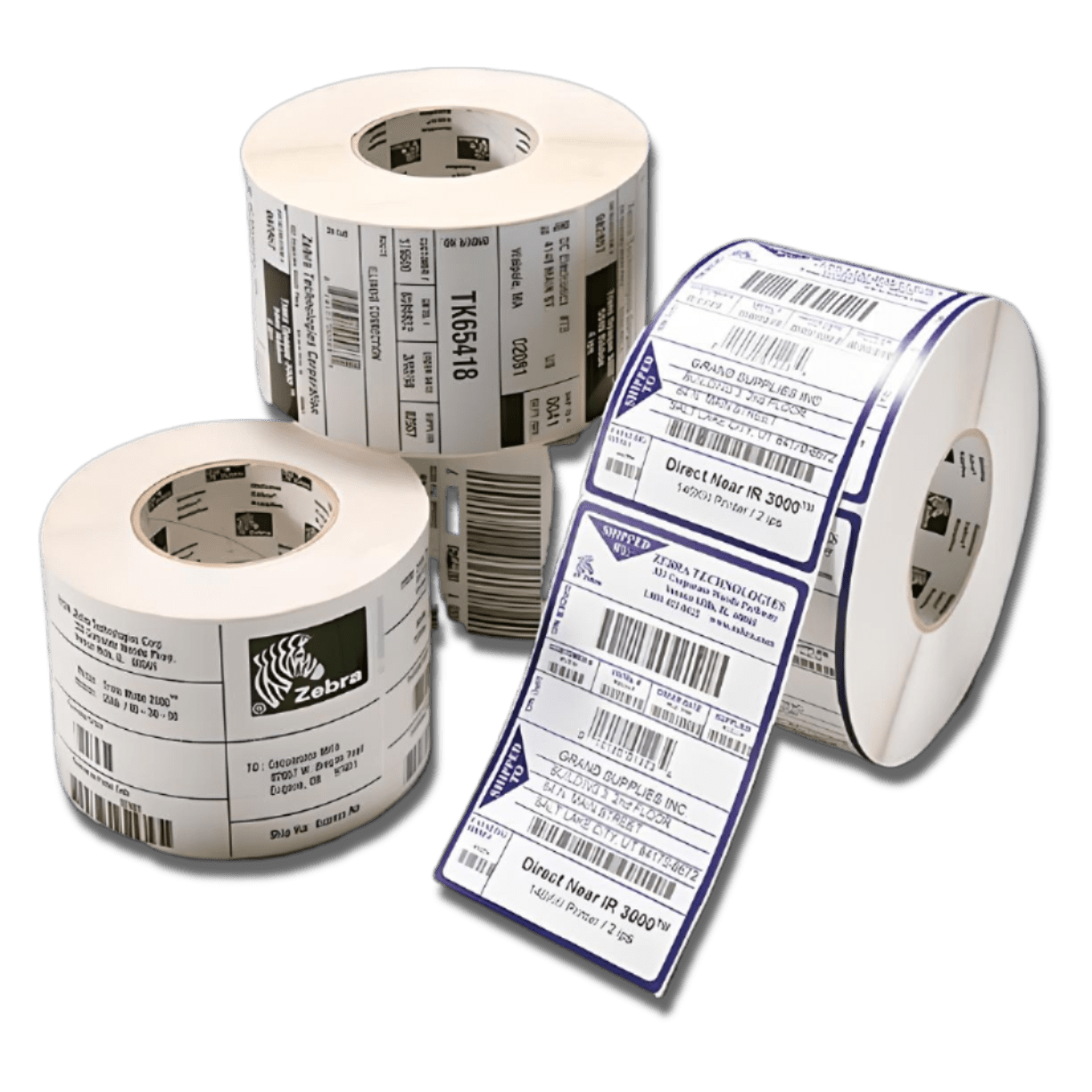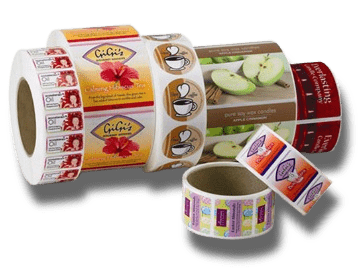

Label design is no longer driven by branding alone. Across food, cosmetics, chemicals, and more, regulation is reshaping what must appear on a label — and how. Smart label design reduces that risk, because getting compliance wrong risks fines, recalls, and lost shelf space.
Industry experts describe regulation-driven design as the new normal for 2026. At Navi Label Solutions, we help brands meet labeling requirements while keeping their packaging clear and attractive.
1. Why Compliance Now Shapes Design
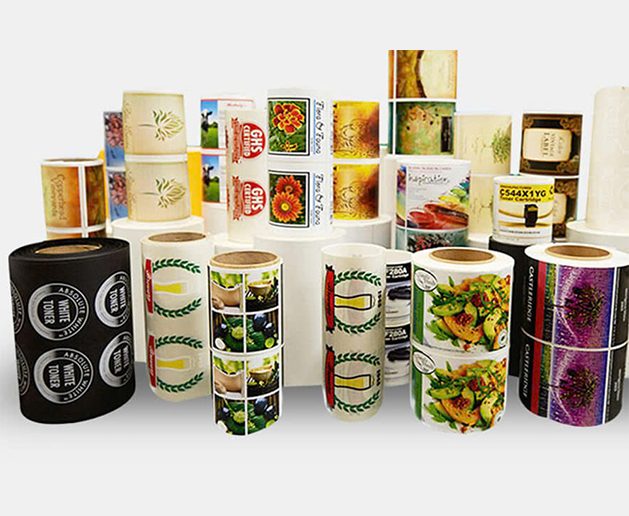
Regulators worldwide are expanding what labels must show: clearer allergens, full ingredient disclosure, country-of-origin, recycling symbols, and multilingual text. Each new requirement competes with branding for limited label space.
This shifts design from a purely creative task to a balancing act between legal accuracy and shelf appeal.
2. Common Mandatory Label Elements

While requirements differ by product and market, several elements appear again and again.
- Ingredients and allergens: Often with minimum text sizes.
- Net quantity and origin: Weight, volume, and country of manufacture.
- Safety and handling: Warnings, symbols, and disposal guidance.
- Traceability codes: Batch and lot numbers for recalls.
3. Label Design for Both Law and Brand

The goal is compliance that does not crowd out your identity.
- Hierarchy: Give legal text its required prominence without losing the brand.
- Legibility: Respect minimum font sizes and contrast rules.
- Extended formats: Use ECLs when content exceeds the space.
- Digital offload: Link to QR codes for non-mandatory detail.
4. Compliance Challenges and Solutions
| Challenge | Risk | Solution |
|---|---|---|
| Too much required text | Cluttered, illegible label | Extended content label |
| Multiple markets | Different rules per region | Region-specific versions |
| Small packaging | No room for content | Booklet / fold-out label |
| Frequent rule changes | Costly reprints | Modular design + dynamic QR |
| Traceability mandates | Recall difficulty | Serialized batch codes |
5. The 2026 Regulatory Landscape

In 2026, expect continued tightening around ingredient transparency, sustainability and recycling claims, and digital traceability. Authorities are increasingly accepting QR-linked information as a complement to printed content, which gives brands flexibility — provided the on-pack essentials remain compliant.
6. Label Design: Staying Ahead of Regulations
Treat compliance as part of the design brief, not an afterthought. Map the rules for every market you sell in, build in required content from the start, and use extended formats or QR codes when space runs short. Reviewing labels whenever regulations change keeps you off the recall list and on the shelf.
Requirement Review
We help you identify the mandatory elements for your product category and target markets before design begins.
Compliant, On-Brand Layout
Layouts that give legal text its required prominence and legibility while protecting your brand identity.
Future-Ready Formats
Extended content labels and QR integration so you can adapt as rules evolve without constant reprints.
Need Help Staying Compliant?
Unsure whether your labels meet current regulations? Tell us your product category and the markets you sell in, and we’ll help you build labels that satisfy the rules while keeping your brand front and center.
- Product category (food, cosmetics, chemical, etc.)
- Target markets and languages
- Mandatory content you must display
- Packaging size and available space
Label Compliance FAQs
What information is legally required on a label?
It depends on the product and market, but common requirements include ingredients, allergens, net quantity, origin, safety warnings, and traceability codes. Always check the specific rules for your category and region.
What happens if a label is non-compliant?
Non-compliant labels can lead to fines, forced relabeling, product recalls, or removal from sale. Building compliance into the design from the start is far cheaper than fixing it later.
Can a QR code replace printed regulatory information?
Generally no for the core mandatory content, which must remain on-pack. However, QR codes are increasingly accepted as a complement, linking to additional or non-mandatory information.