Digital vs. Flexographic Label Printing: Which Fits Your Run in 2026?

Digital label printing and flexographic printing each have a clear place in 2026. When it comes to producing labels at scale, two printing technologies dominate: digital and flexographic (flexo) printing. Digital label printing and flexo each shine in different situations, and choosing the right one affects your cost, speed, and flexibility.
Digital label printing is reshaping the industry with low waste, fast short runs, and easy personalization — but flexo still rules high-volume production. At Navi Label Solutions, we help businesses match the method to the job.
1. How the Two Methods Work
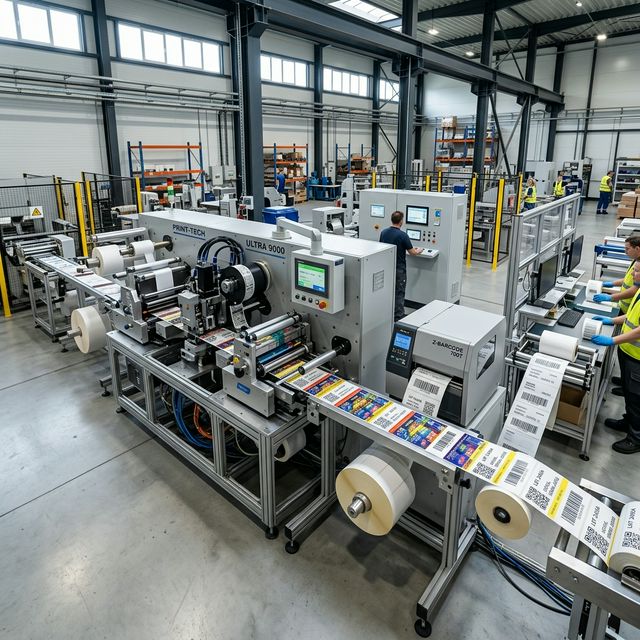
The core difference is plates. Flexographic printing uses physical plates, one per color, mounted on rollers — fast and economical once set up. Digital printing transfers the image directly from a file, with no plates at all.
That single difference drives most of the trade-offs in cost, speed, and flexibility between the two.
2. Where Digital Label Printing Wins
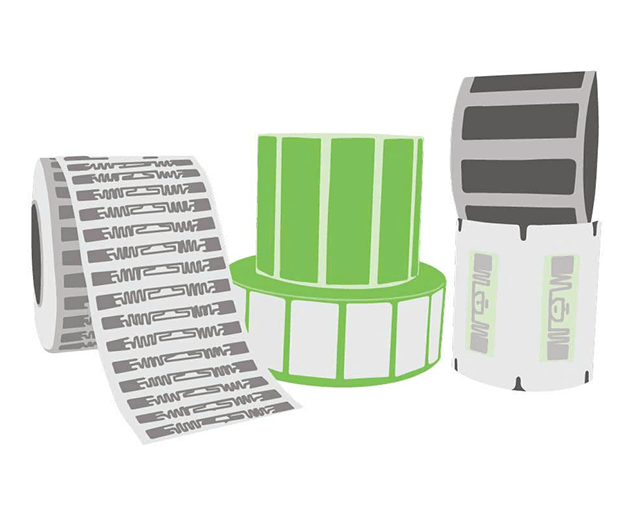
Digital is the modern choice for agility and low waste.
- Short runs: No plate cost makes small batches affordable.
- Fast turnaround: Print straight from artwork, no setup delay.
- Variable data: Serial numbers, names, and codes change on the fly.
- Low waste: Less material used in setup and changeovers.
3. Where Flexo Still Leads
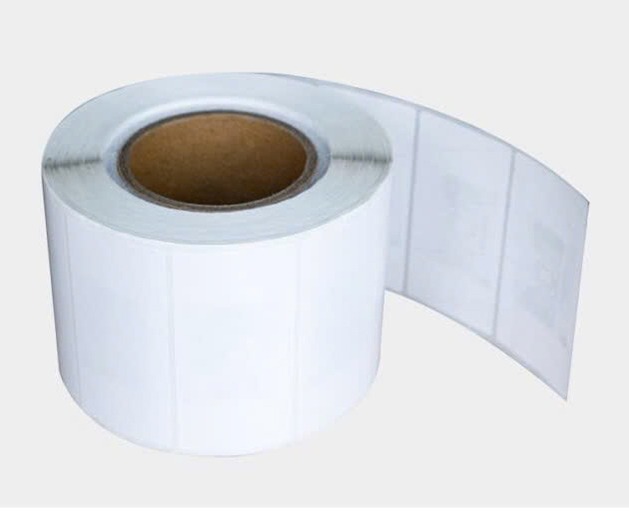
Flexo remains the workhorse for large, stable orders.
- High volume: Lowest cost per label on long runs.
- Speed at scale: Extremely fast once plates are made.
- Specialty effects: Metallics, varnishes, and tactile finishes inline.
- Wide material range: Handles many substrates and adhesives.
4. Digital vs. Flexo: Quick Comparison
| Factor | Digital | Flexographic |
|---|---|---|
| Setup cost | Low (no plates) | Higher (plates) |
| Best run length | Short to medium | Long / high volume |
| Per-label cost (high volume) | Higher | Lowest |
| Variable data | Easy | Difficult |
| Turnaround | Fast | Slower setup |
| Specialty finishes | Limited | Extensive inline |
5. Hybrid Printing: The 2026 Direction
A major trend for 2026 is hybrid printing, which combines digital print heads with inline flexo finishing on one press. This blends digital’s short-run flexibility and variable data with flexo’s specialty coatings and speed. Alongside this, water-based inks and automation are making both methods cleaner and more efficient.
6. Choosing the Right Method for Your Run
Let run length and flexibility decide. For short runs, frequent design changes, or variable data, digital is faster and more economical. For large, stable, high-volume orders — especially with specialty finishes — flexo wins on cost. Many businesses now use both, or a hybrid press, matched to each product line.
Method Matched to Run
We recommend digital or flexo based on your run length, design changes, and whether you need variable data.
Cost-Per-Label Clarity
Clear guidance on where digital saves money on short runs and where flexo wins at high volume.
Finish & Substrate Advice
Help choosing substrates and finishes that suit your chosen method and the look you want.
Not Sure Which Press Fits?
Trying to decide between digital and flexographic printing? Tell us your run size, how often artwork changes, and the finishes you need, and we’ll recommend the most cost-effective method for your labels.
- Typical run length and order frequency
- How often artwork changes
- Variable data needs (serials, names, codes)
- Special finishes required
Digital vs. Flexo FAQs
Is digital printing cheaper than flexo?
For short and medium runs, yes, because digital has no plate costs. For very high volumes, flexo usually wins on cost per label despite higher setup. The crossover point depends on your run size.
What is hybrid label printing?
Hybrid printing combines digital print heads with inline flexo finishing on a single press, blending digital’s short-run flexibility and variable data with flexo’s specialty coatings and high-speed output.
Can digital printing match flexo quality?
Modern digital presses produce excellent, high-resolution results that rival flexo for most labels. Flexo still has an edge for certain specialty finishes and at very high volumes.