Smart Labels: How QR, NFC and RFID Are Transforming Packaging in 2026

Smart labels are changing what a label can do; labels are no longer just for identification. With QR codes, NFC tags, and RFID, a label can now connect a physical product to a world of digital information — from authentication and recycling guidance to interactive marketing.
The smart labels market is growing fast, projected to roughly triple over the next decade as brands look for traceability, consumer engagement, and supply-chain visibility. At Navi Label Solutions, we help businesses move beyond static labels into connected packaging.
1. What Makes a Label “Smart”
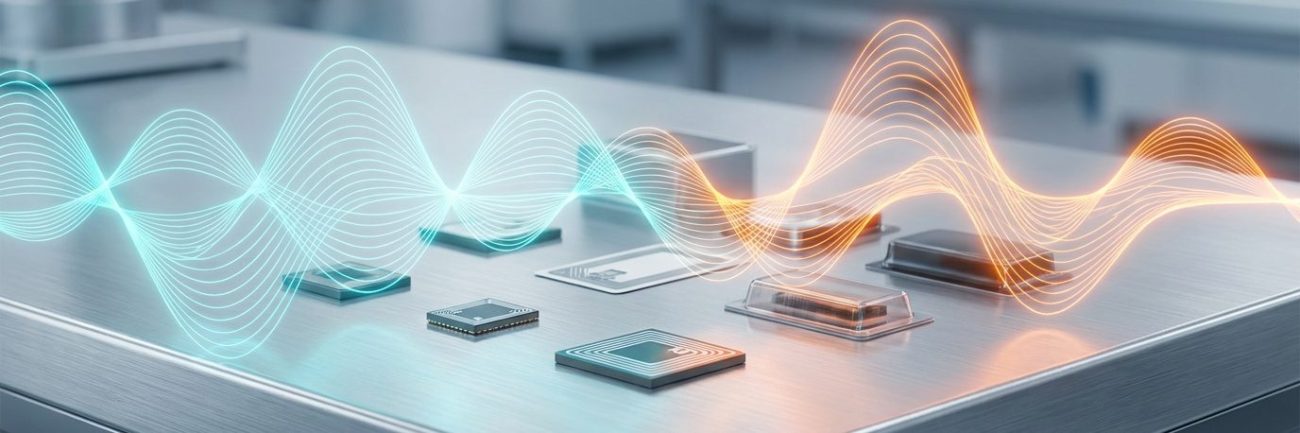
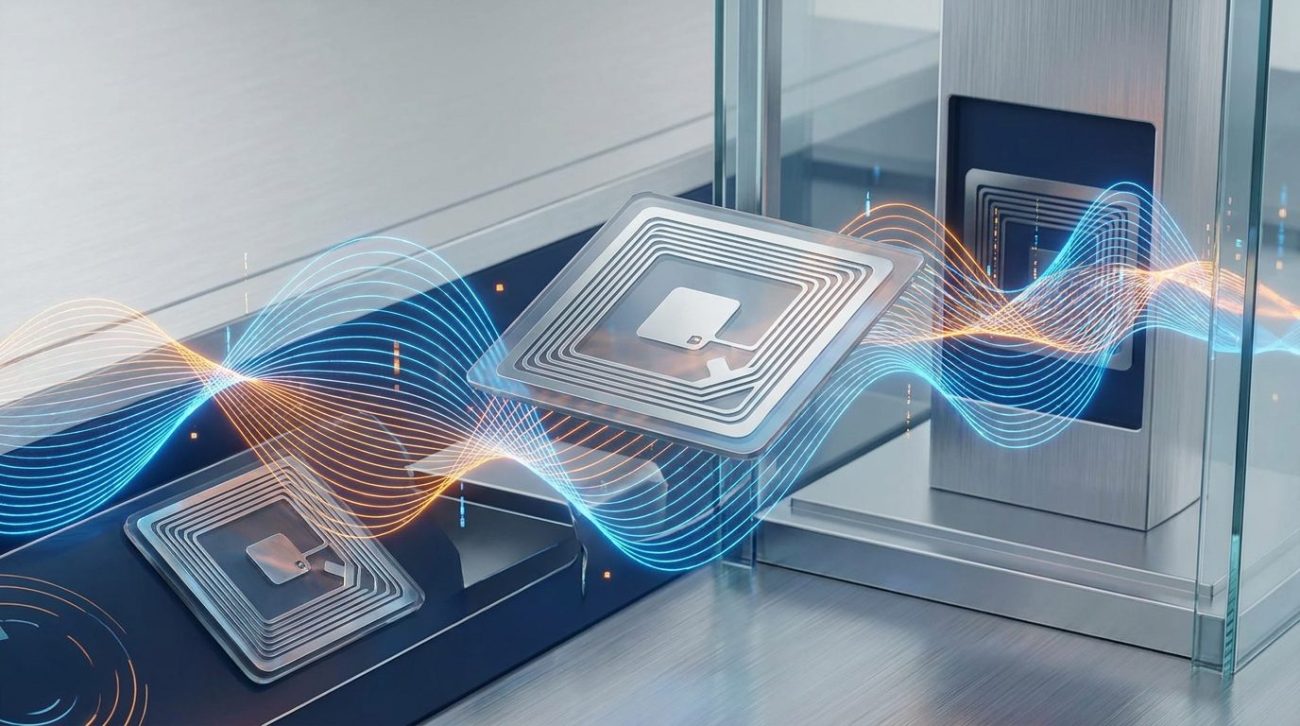
A smart label adds a digital layer to a printed label. Instead of only showing text and a barcode, it carries a trigger — a scannable code or an embedded chip — that links to dynamic, updatable information.
That link can serve customers, operations, or both: a shopper scans for product details, while a warehouse reads the same tag for inventory.
2. QR, NFC, and RFID: How They Differ

The three most common smart-label technologies work in different ways.
- QR codes: Printed, low-cost, scanned by any smartphone camera — ideal for marketing and information.
- NFC tags: A tap with a phone; great for authentication and premium engagement.
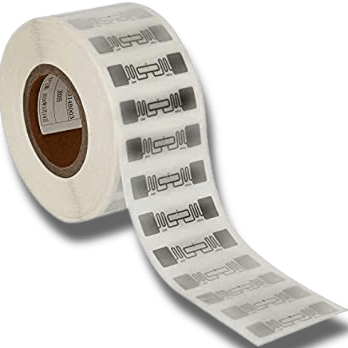
- RFID tags: Read in bulk without line of sight; built for inventory and logistics at scale.
- Dynamic QR: Lets you change the destination without reprinting the label.
3. What Brands Gain From Smart Labels
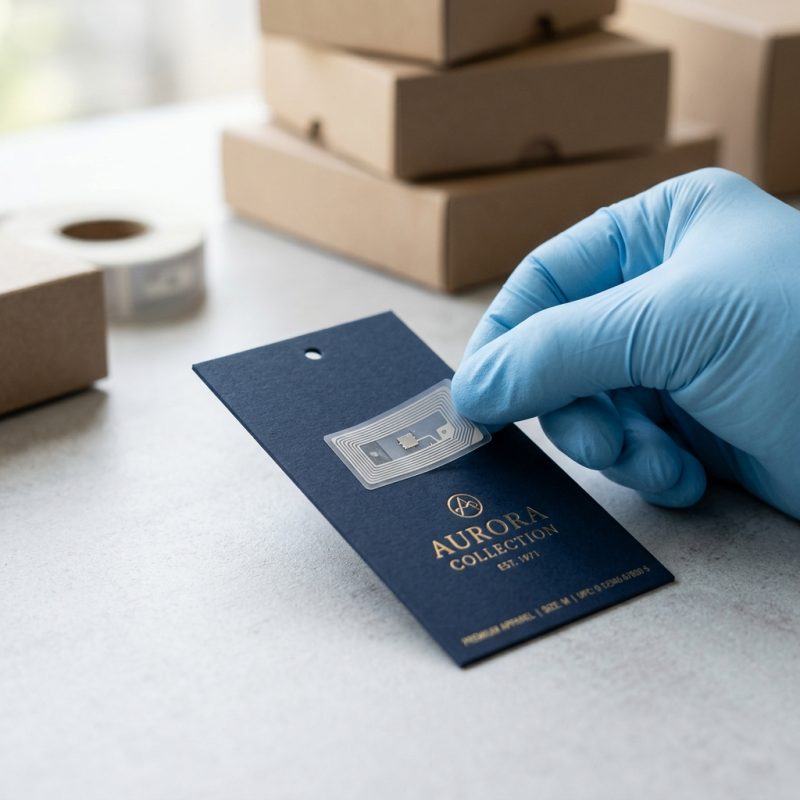
Connected labels deliver value across the product lifecycle.
- Traceability: Track origin, batch, and journey across the supply chain.
- Authentication: Help customers verify a product is genuine.
- Engagement: Link to how-to videos, registration, and loyalty offers.
- Sustainability: Share recycling instructions and material sourcing.
4. Choosing a Smart Label Technology
| Need | Best Fit | Why |
|---|---|---|
| Low-cost info / marketing | QR code | No chip, prints cheaply |
| Tap-to-engage premium | NFC | Easy phone interaction |
| Bulk inventory / logistics | RFID | No line-of-sight, fast |
| Updatable content | Dynamic QR | Change link, no reprint |
| Anti-counterfeiting | NFC / RFID | Hard to clone |
5. Where Smart Labels Are Headed in 2026
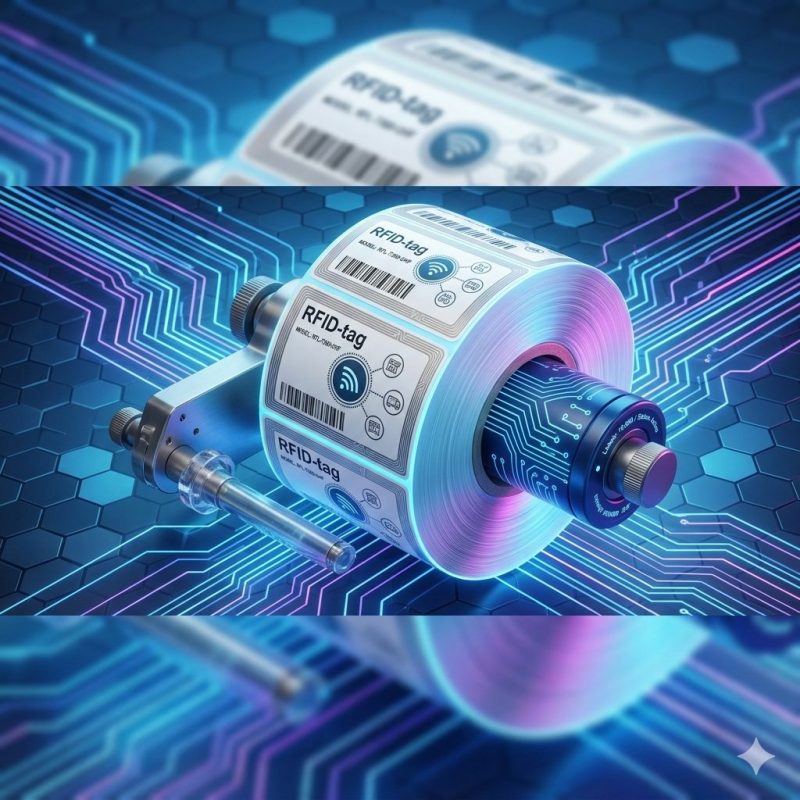
In 2026, dynamic QR codes are becoming a default for brands that want to update content and recycling info without reprinting. NFC is spreading from luxury goods into mainstream products, and RFID continues to expand across retail and logistics as tag costs fall. Regulation and sustainability reporting are also pushing connected labels into food, cosmetics, and pharma.
6. Getting Started With Connected Labels
Begin with the goal: customer engagement, authentication, or supply-chain visibility. QR codes are the easiest, lowest-cost entry point, while NFC and RFID suit premium engagement and bulk tracking. The key is integrating the right technology into a durable label that still fits your packaging and brand.
Right Tech for Your Goal
We help you choose between QR, NFC, and RFID based on whether you want engagement, authentication, or supply-chain tracking.
Print + Chip Integration
Connected labels built so the printed design, scannable code, and any embedded chip work together on your packaging.
Scalable Rollout
From a QR pilot to full RFID deployment, we help you start small and scale as the technology proves its value.
Thinking About Smart Labels?
Curious whether QR, NFC, or RFID is right for your product? Tell us your goal and packaging, and we’ll recommend a connected-label approach that fits your budget and rolls out smoothly.
- Your goal (engagement, authentication, tracking)
- Product and packaging the label goes on
- Volume and budget for the rollout
- Whether you need updatable (dynamic) content
Smart Label FAQs
Are smart labels expensive?
It varies widely. Printed QR codes add almost no cost, while NFC and RFID tags range from a few cents to higher amounts depending on the chip. The right choice balances capability against your per-unit budget.
What is a dynamic QR code?
A dynamic QR code points to a link you can change at any time, so you can update the destination, campaign, or information without reprinting the label — a major advantage for evolving content.
Do smart labels require special equipment to read?
QR codes are read by any smartphone camera. NFC needs an NFC-enabled phone (most modern phones), while RFID requires dedicated readers, which is why it suits warehouses and retail systems rather than consumers.