Die-Cut Finishing and Roll Label Die-Cutting Machines: What Label Businesses Should Know
A printed label only becomes a usable product after finishing. Die-cutting, matrix stripping, slitting and rewinding decide whether the final roll runs smoothly on applicators, looks clean on packaging and meets customer expectations.
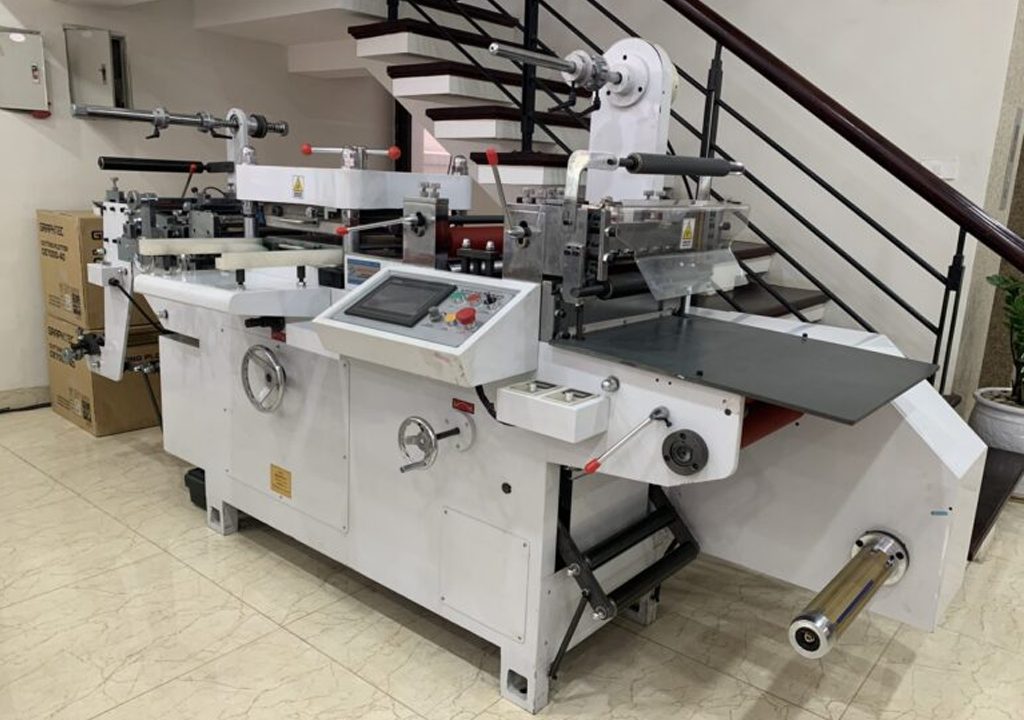
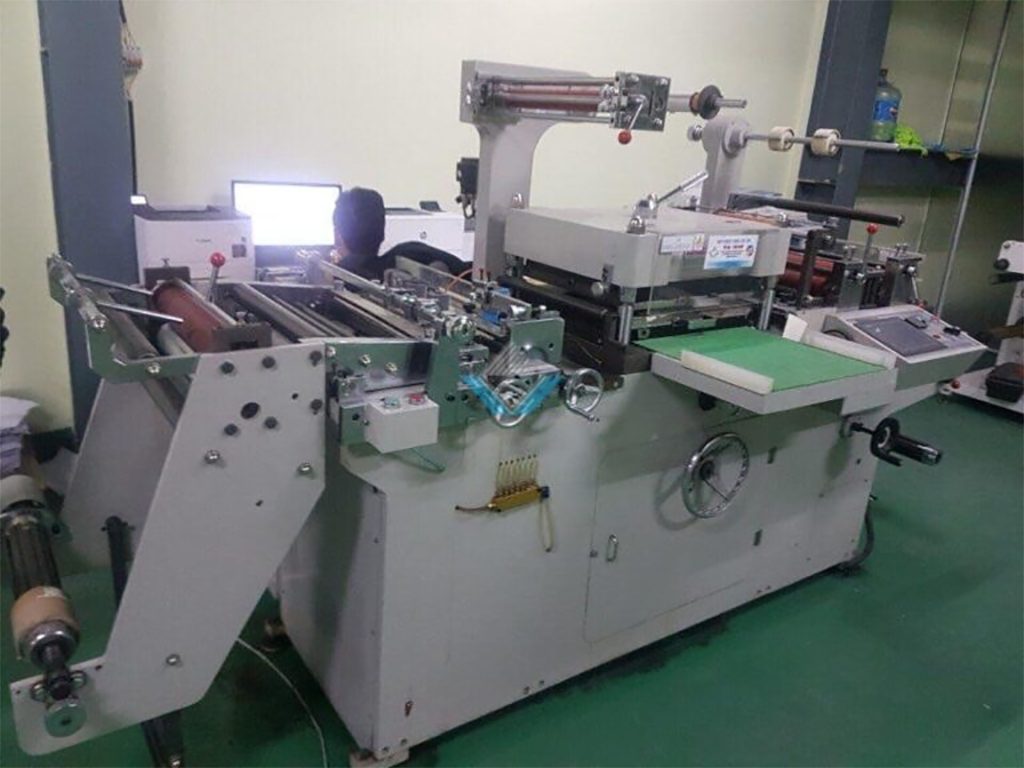
For label printers, converters and packaging suppliers, the right roll label die-cutting machine can improve output quality, reduce waste and make short-run or repeat jobs easier to manage.
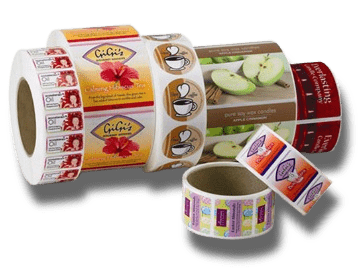
Roll label die-cutting turns a printed web into finished, ready-to-apply label rolls. Accurate cutting supports clean barcode and label standards like those from GS1, and the right finishing depends on first choosing the right labels for your products.
Quick answer
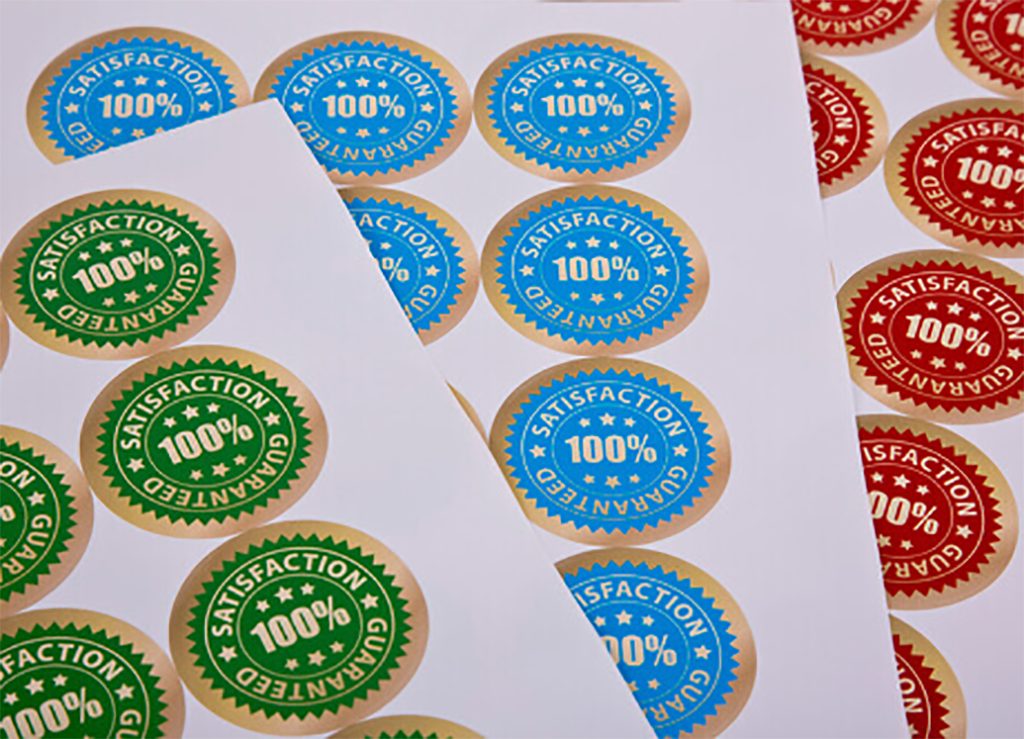
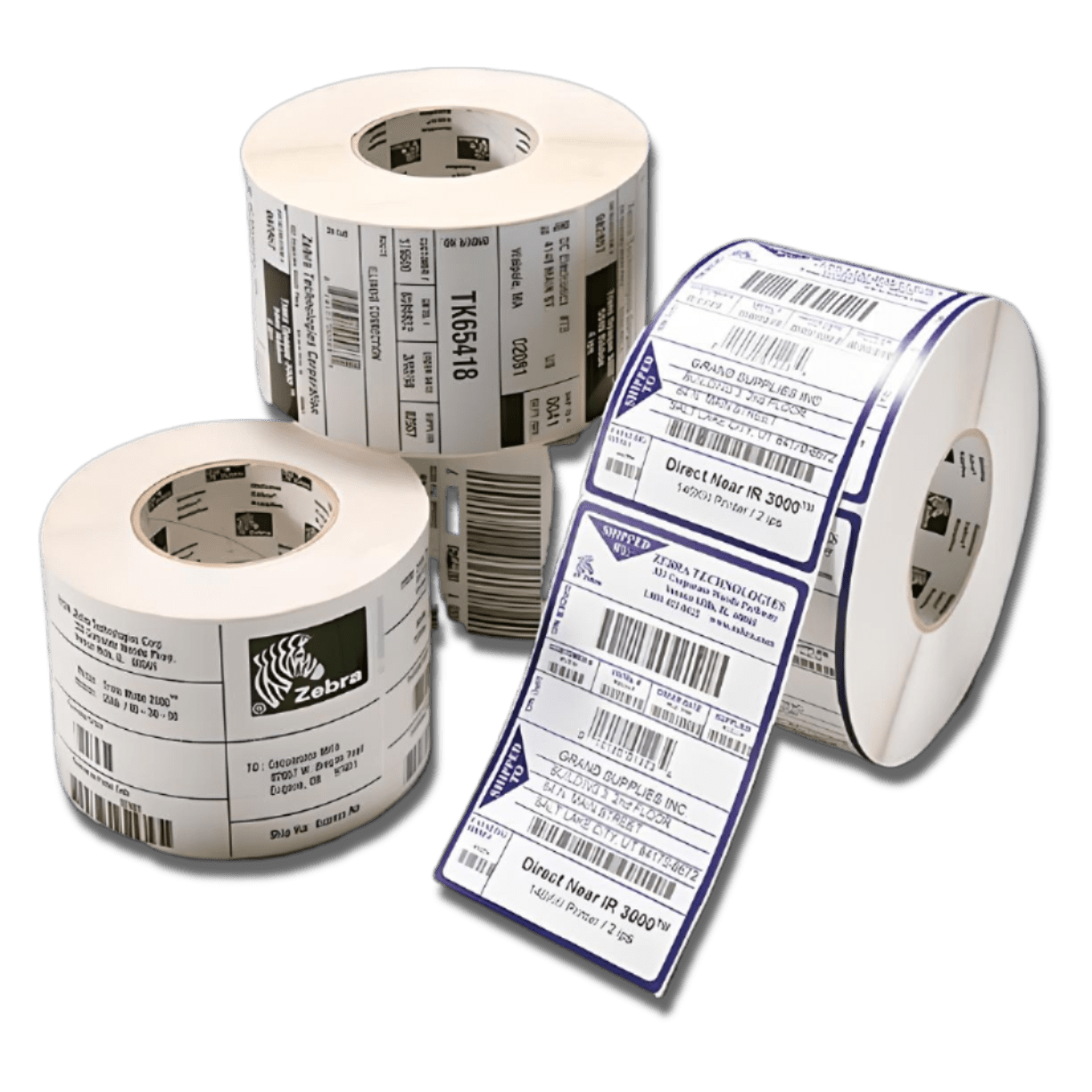
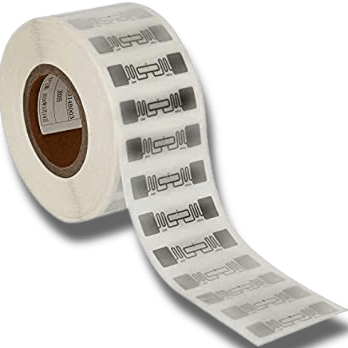
A roll label die-cutting machine is used after printing to cut labels into the final shape, remove waste material, slit rolls to width and rewind them for delivery or automatic labeling. It is especially useful for sticker labels, barcode labels, product labels, food and beverage labels, cosmetic labels, pharmaceutical labels and industrial labels.
Why die-cut finishing matters
Customers often notice label finishing before they notice the printing process. If the edge is rough, the shape is inconsistent or the roll rewinds poorly, the label may create problems during packing, hand application or automatic labeling.
Good finishing helps labels peel cleanly, align properly and present the product with a more professional look. For businesses producing many SKUs, die-cut accuracy also keeps repeat orders consistent from batch to batch.
What happens during roll label finishing?
Unwinding: Printed roll material is loaded and fed into the finishing system.
Registration control: Sensors help align the die-cut position with the printed artwork.
Die-cutting: The cutting tool shapes the label without cutting through the liner.
Matrix stripping: Waste material around the label is removed cleanly.
Slitting and rewinding: Finished labels are split into the required roll width and rewound for use.
Key machine capabilities to compare
Accurate registration
Important for pre-printed labels, color labels and branded packaging where the cut line must match the artwork.
Stable tension control
Helps reduce material shifting, web breaks, loose rewinding and uneven roll quality.
Efficient waste removal
Clean matrix stripping improves speed and reduces operator intervention, especially with small labels or complex shapes.
Flexible tooling
Interchangeable dies make it easier to produce different label shapes, sizes and repeat jobs for multiple customers.
Which labels benefit most from die-cut finishing?
Roll label die-cutting is useful when the final label must be supplied in roll format and applied smoothly by hand, dispenser or automatic labeling system.
What materials will you process: paper, PP, PET, vinyl, film or specialty label stock?
What label sizes and roll widths do you need to support?
Do you need die-cutting only, or die-cutting with slitting, rewinding and waste removal?
How many jobs are short-run custom work versus repeat production?
Will operators need quick job setup and easy changeover?
Do customers require consistent roll tension for automatic applicators?
Common finishing problems to avoid
Problem
What it usually means
Cut shifts away from artwork
Registration, tension or print mark control needs attention.
Labels lift during matrix stripping
Tooling, adhesive, label shape or stripping setup may not match the material.
Roll rewinds too loose or too tight
Rewinding tension should be adjusted for the label material and roll size.
Rough label edges
The die, pressure setting or material compatibility should be checked.
Why work with Navi Label Solutions?
Navi Label Solutions supports businesses that need practical guidance on label production, barcode printing, packaging materials and finishing workflows. We help customers evaluate machines and label supply requirements based on real production needs, not only on machine specifications.
Application-based consultation for label material, printer, ribbon and finishing needs.
Support for retail, wholesale and B2B customers in Cambodia.
Practical production advice for barcode labels, product labels and packaging labels.
Connection with experienced industry partners for label automation and finishing solutions.
Frequently asked questions
What is a roll label die-cutting machine used for?
It is used to convert printed or blank roll materials into finished labels by cutting the label shape, removing waste, slitting rolls and rewinding them for use.
Can one machine handle different label shapes?
Many roll label die-cutting machines can support different shapes when the correct tooling is used. The level of flexibility depends on the machine design, die type and material.
What materials can be die-cut?
Common materials include paper label stock, synthetic labels, PP, PET, vinyl, film and selected specialty materials. The best setup depends on material thickness, adhesive and liner.
How do I choose the right machine?
Start with your label material, roll width, production volume, label shape, finishing process and operator workflow. Navi Label Solutions can help review your application before you invest.
Planning to improve your label finishing workflow?
Share your label material, roll width, print method, target output and finishing requirements. Navi Label Solutions can help you review the right die-cutting and label production approach for your business.