Waterproof & Weatherproof Labels: A Complete Guide for 2026

From drink bottles in an ice bucket to drums stored outdoors, many products need waterproof labels that survive water, humidity, and weather. A waterproof or weatherproof label keeps branding and critical information intact where ordinary paper labels fail.
At Navi Label Solutions, we build water- and weather-resistant labels using the right combination of synthetic face stock, durable print, and the correct adhesive for the surface.
1. What Makes a Label Waterproof
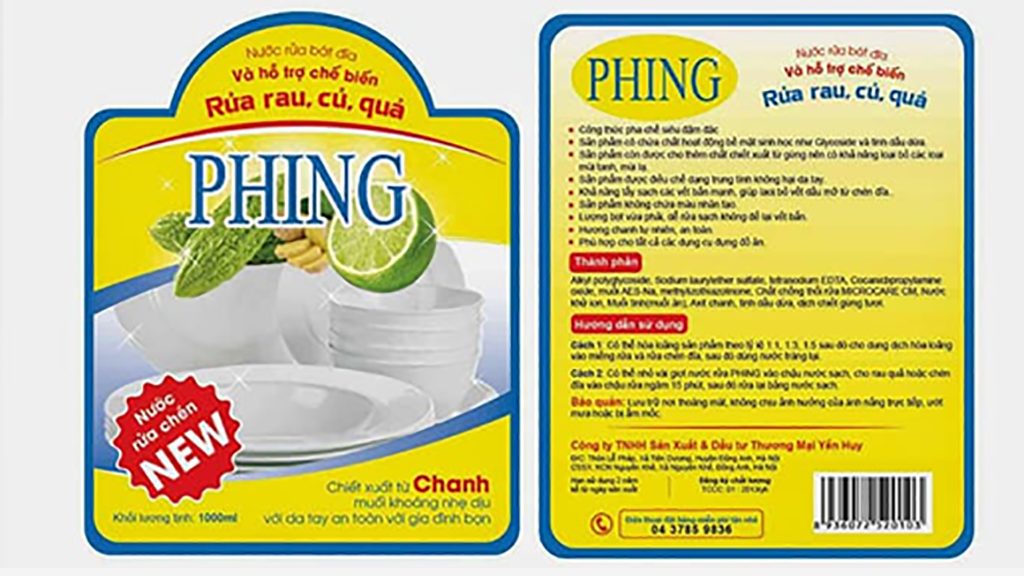
Waterproofing is not a single feature — it is a system. Three elements work together: a synthetic, non-absorbent face material; a durable print method (usually thermal transfer with resin ribbon or color printing); and an adhesive that holds on wet or cold surfaces.
If any one element is wrong — for example, paper face stock or the wrong adhesive — the label will fail even if the others are correct.
2. Waterproof vs. Weatherproof: The Difference
The two terms are related but not identical.
- Waterproof: Resists water, condensation, and brief submersion — ideal for chilled drinks and bathroom products.
- Weatherproof: Adds UV (sunlight) and temperature resistance for outdoor use.
- Chemical-resistant: A further step for labels exposed to solvents and cleaning agents.
3. Best Materials for Wet and Outdoor Use
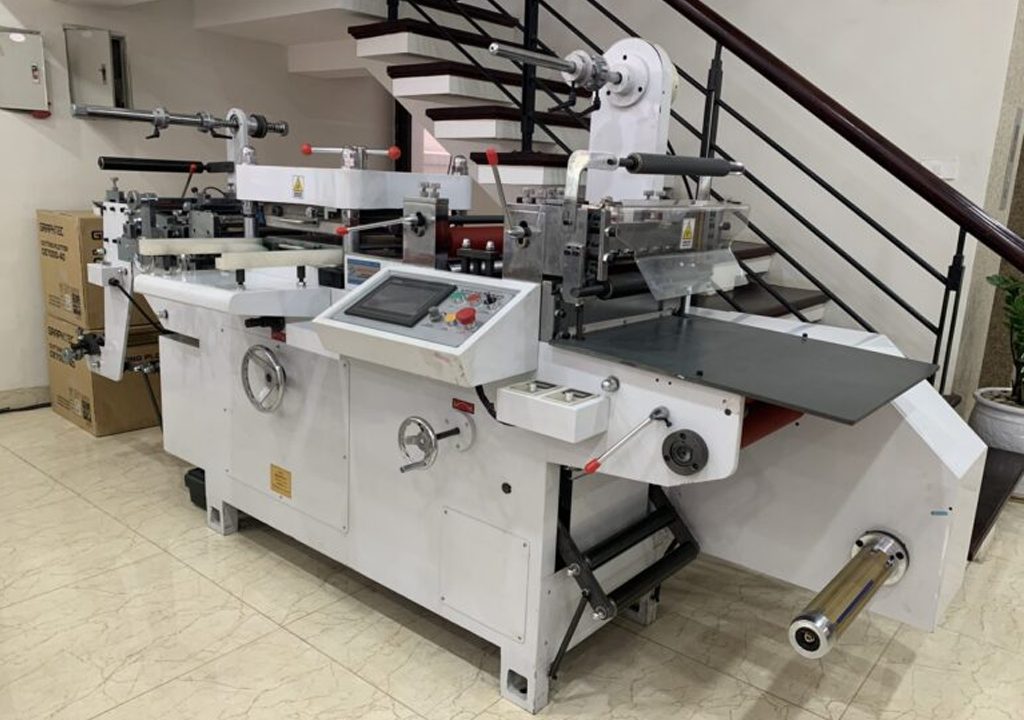
Material selection is what makes water and weather resistance possible.
- PP (polypropylene) film: Affordable, water-resistant, great for drinks and cosmetics.
- PE (polyethylene): Flexible and conformable for squeezable bottles.
- PET (polyester): Maximum durability for outdoor, chemical, and industrial use.
- Laminate or varnish: An extra protective layer over the print.
4. Waterproof Label Options Compared
| Use Case | Recommended Face | Extra Protection |
|---|---|---|
| Chilled drinks | PP film | Optional laminate |
| Bathroom / cosmetics | PP / PE film | Gloss laminate |
| Outdoor equipment | PET polyester | UV-stable, laminate |
| Chemical drums | PET polyester | Chemical-resistant coat |
| Freezer goods | Film + freezer adhesive | Resin print |
5. Durable Labeling: What to Expect in 2026

Manufacturers increasingly want waterproof performance without sacrificing sustainability. Recyclable synthetic films, water-based protective coatings, and linerless durable stocks are growing as brands look to reduce waste while keeping labels rugged.
6. Picking the Right Waterproof Label
Be honest about the exposure first — the odd splash is very different from full submersion, blazing sun, or harsh chemicals. Match a synthetic face and adhesive to that exposure, then add lamination or a resin print where extra protection is needed. Always test a sample under real conditions, including temperature and the actual surface.
Why Work With Navi Label Solutions?
Waterproofing is a system, not a single product, and getting it right takes experience. We combine the correct face, print, and adhesive for your exact conditions — and let you test a sample before scaling up.
Built as a System
Synthetic face, durable print, and the correct adhesive combined so the whole label resists water, not just one layer.
Exposure-Based Specs
We spec for your real exposure, from occasional splashes to full submersion, sunlight, or harsh chemicals.
Tested Before You Scale
Sample testing under your actual wet or outdoor conditions so there are no surprises on the production run.
Need a Label That Survives Water?
Need a label that survives water, weather, or chemicals? Describe the exposure and the surface it goes on, and we’ll spec a waterproof or weatherproof build and confirm it with a sample under your real conditions.
- The exposure (splashes, submersion, sun, chemicals)
- The surface and shape (bottle, drum, curved container)
- Temperature range the label will face
- Whether you need laminate or extra coating

Waterproof Label FAQs
Are waterproof labels also dishwasher safe?
Many synthetic waterproof labels withstand occasional washing, but repeated dishwasher cycles with heat and detergent require a durable PET face, resin print, and a strong laminate to stay intact.
What is the difference between waterproof and weatherproof labels?
Waterproof labels resist water and moisture, while weatherproof labels also resist UV sunlight and temperature changes for outdoor use. Weatherproof labels are essentially waterproof labels with added environmental resistance.
Can waterproof labels be printed in full color?
Yes. Waterproof labels can be produced with full-color digital printing on synthetic film, often finished with a protective laminate so the colors stay vivid and water-resistant.