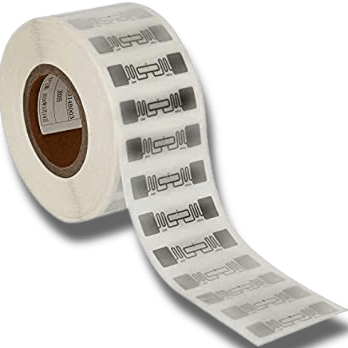
RFID label manufacturing turns raw inlays into finished smart labels through several precise steps, from design to quality control. The encoded data follows the global EPC standards maintained by GS1 EPC/RFID, and the finished labels depend on choosing the right labels for your products. Here is an overview of the RFID label manufacturing process:

1. RFID card design and programming

First, RFID tag design includes determining the size, shape and other technical requirements. Then, programming the information to be stored in the RFID chip such as product code, batch number, origin information and other relevant information. This design stage sets the foundation for the entire RFID label manufacturing process, because the wrong size or chip choice is hard to fix later.

2. Select materials and technology

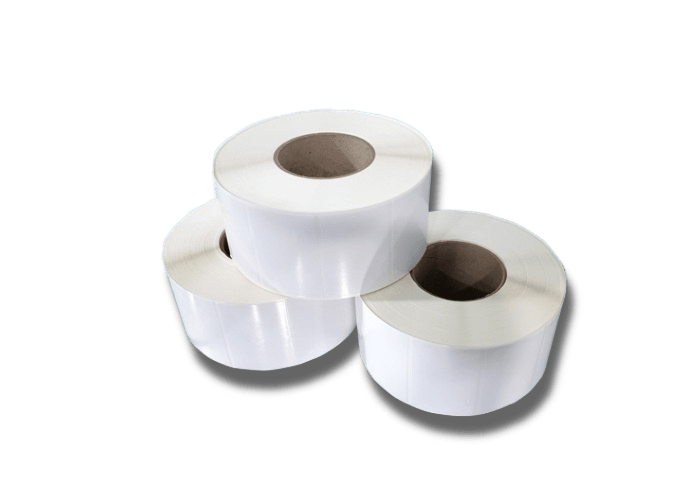
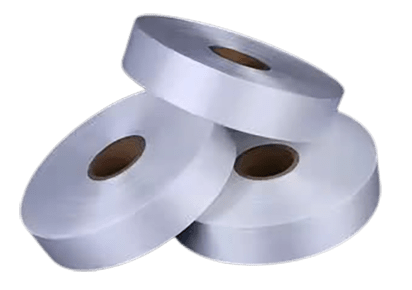
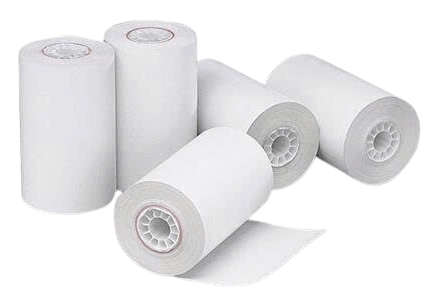
Next, choose the appropriate material and technology to produce the RFID tag. Common materials include paper, plastic, fabric or composite, and the technology can be RFID passive (no battery) or RFID active (with battery).

3. Printing and encoding

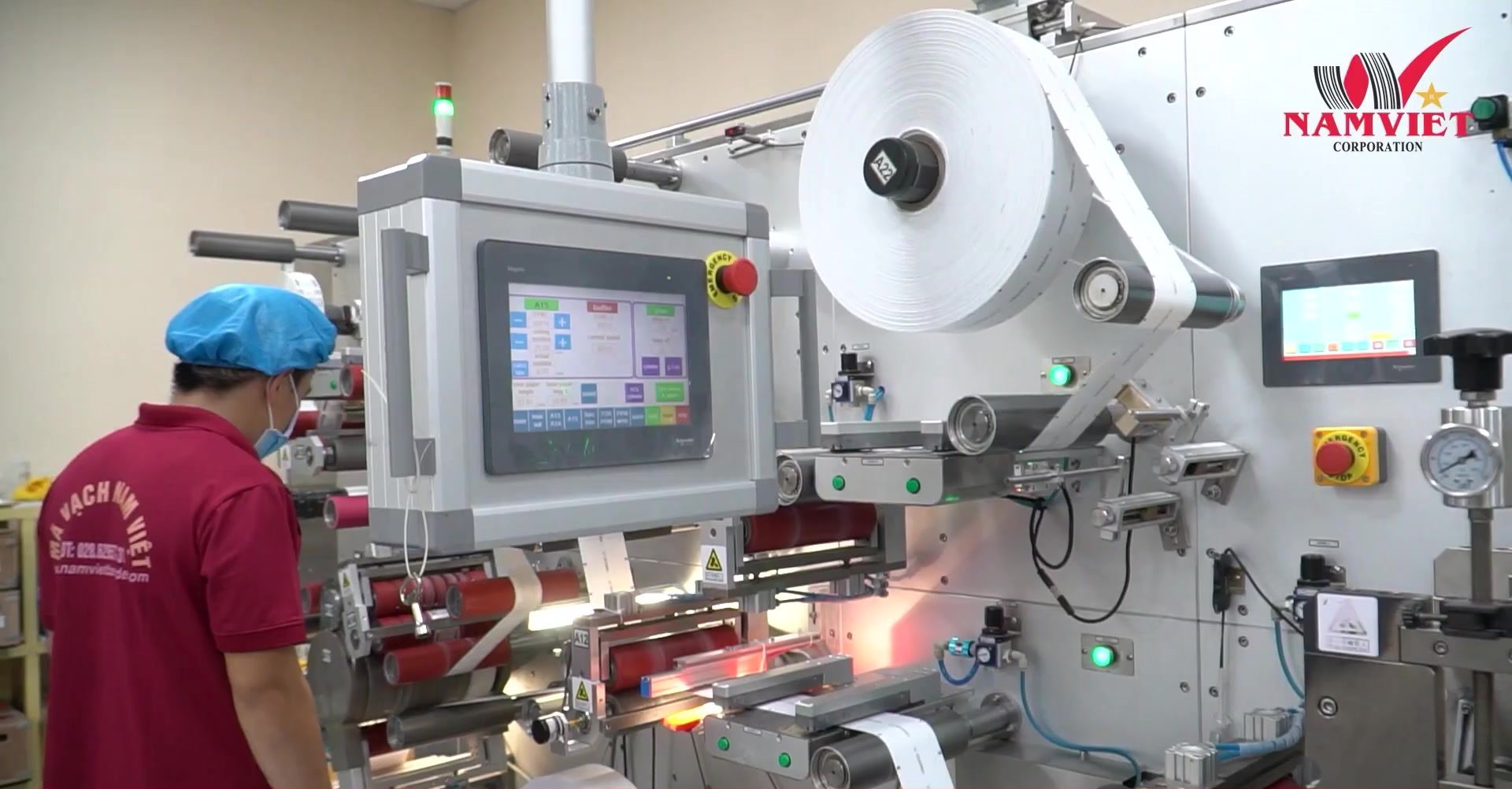
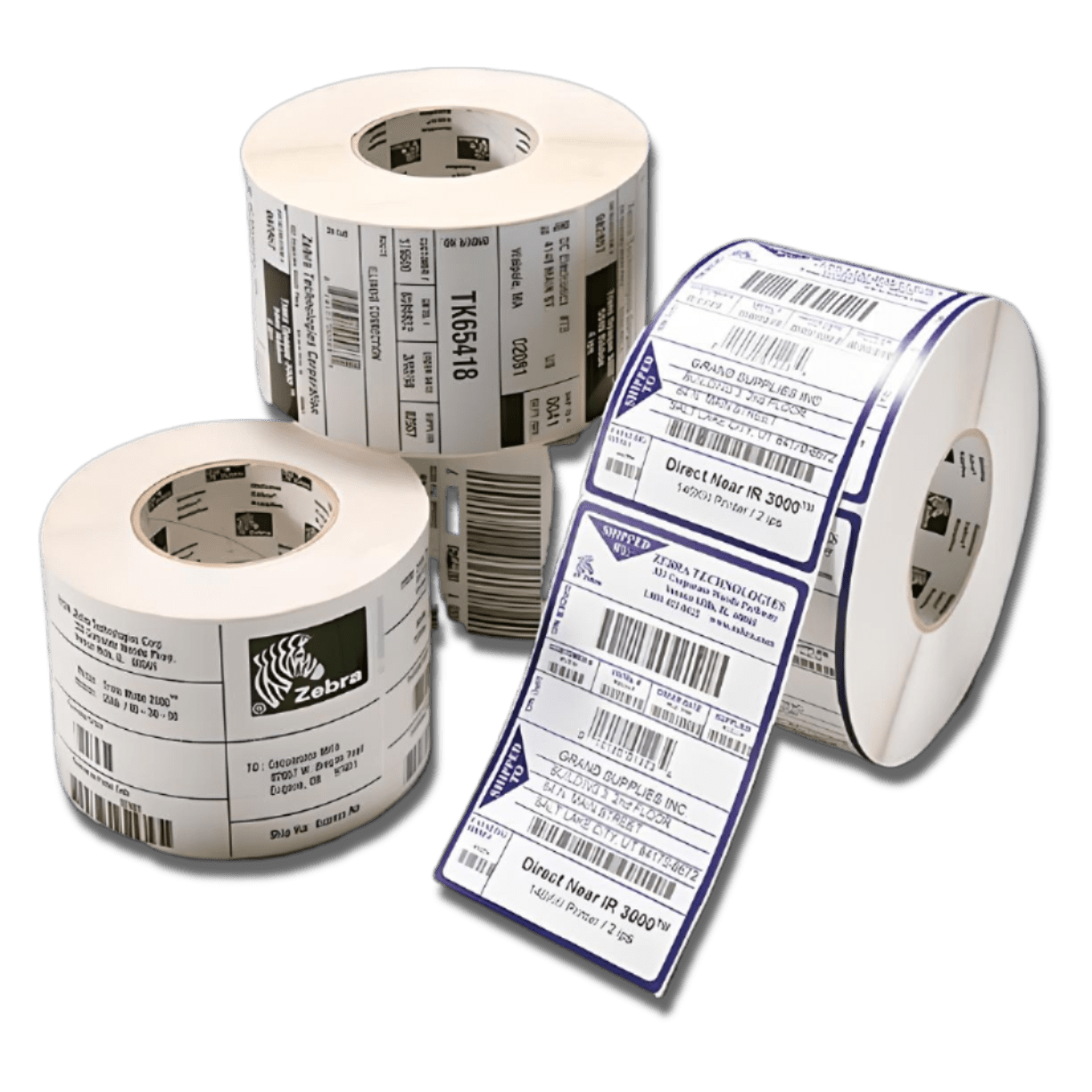
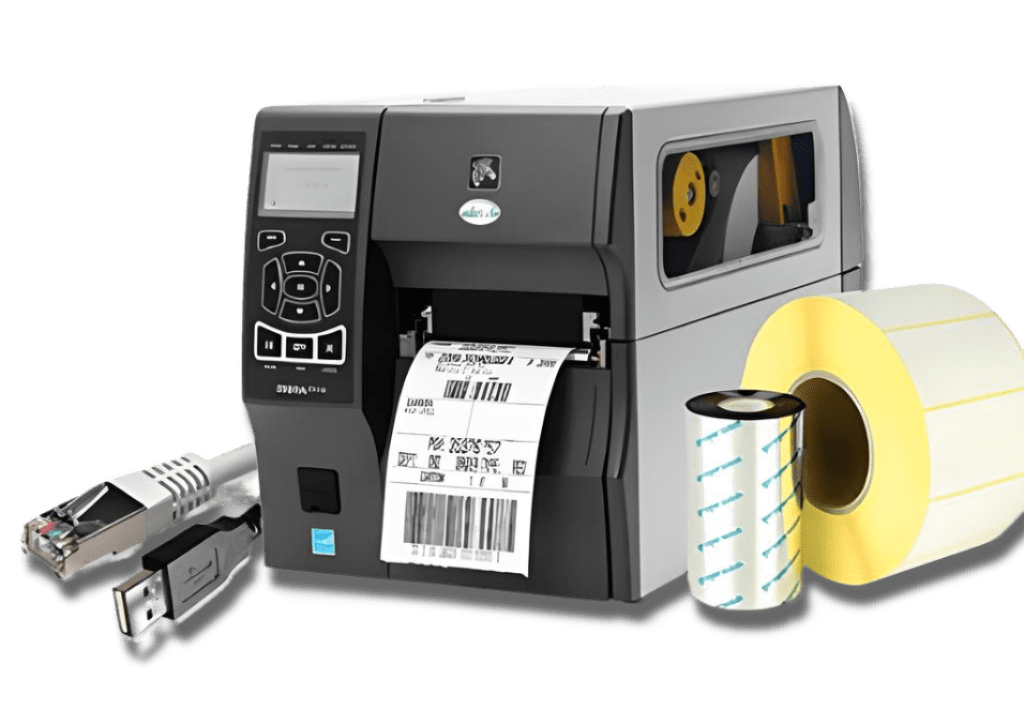
Using special printers, RFID tags are printed and information is encoded onto RFID chips. This process involves printing text and graphic information onto the label as well as writing information onto the RFID chip. Accurate printing and encoding is one of the most quality-sensitive parts of RFID label manufacturing, since each tag must carry a unique, readable identifier.

4. Attach RFID chip

After printing and encoding, the RFID chip is attached to the RFID tag. This can be done by encapsulating the chip in a protective plastic layer or by attaching it directly to the label surface.

5. Cutting and packaging

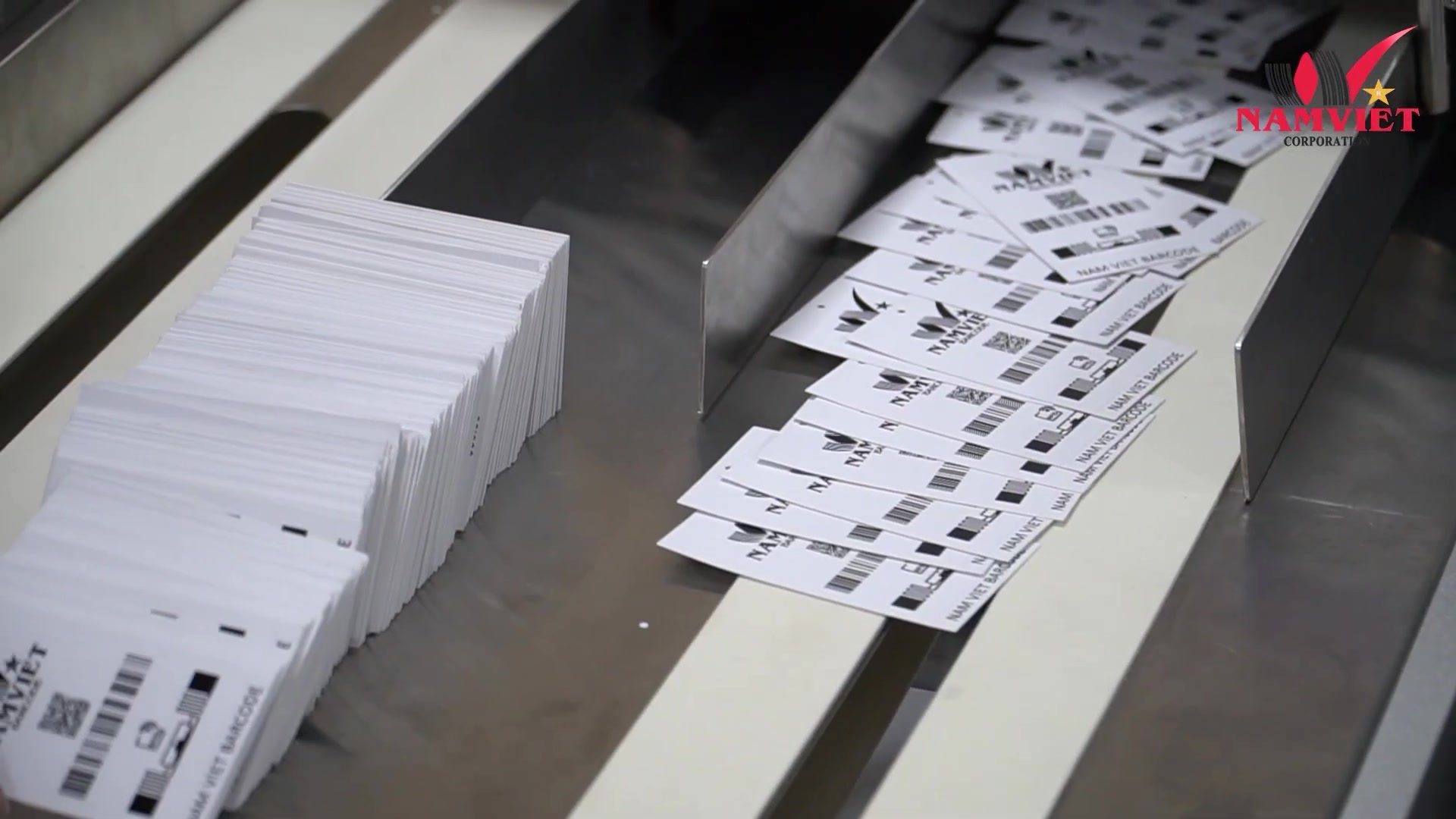
After the RFID chip is attached, it will be cut into different sizes and shapes depending on the specific requirements. Then, the RFID tags will be packaged to ensure safety during transportation and use.

6. Quality control

Before RFID tags are shipped, they are quality tested to ensure that the RFID chip is working properly and the information is encoded correctly.

7. Production and distribution

After completing the production and quality control process, RFID cards will be shipped and distributed to partners and customers.

The RFID TAG manufacturing process can vary depending on the type of tag, RFID technology, and specific customer requirements. It is important to execute the process carefully and ensure quality to ensure RFID tags work effectively in inventory and supply chain management. Understanding each stage of RFID label manufacturing helps businesses choose reliable suppliers and ensures every finished RFID label meets quality standards.