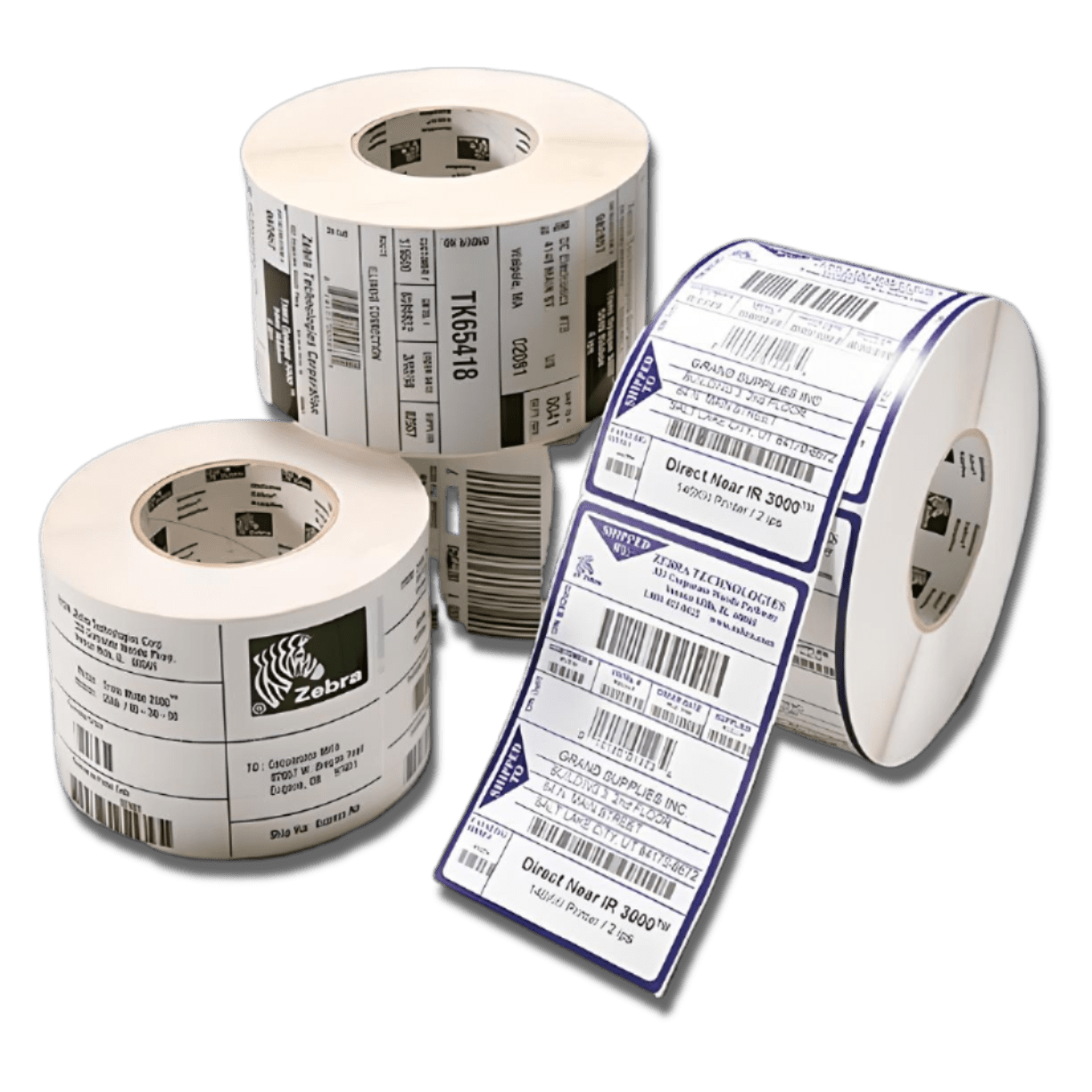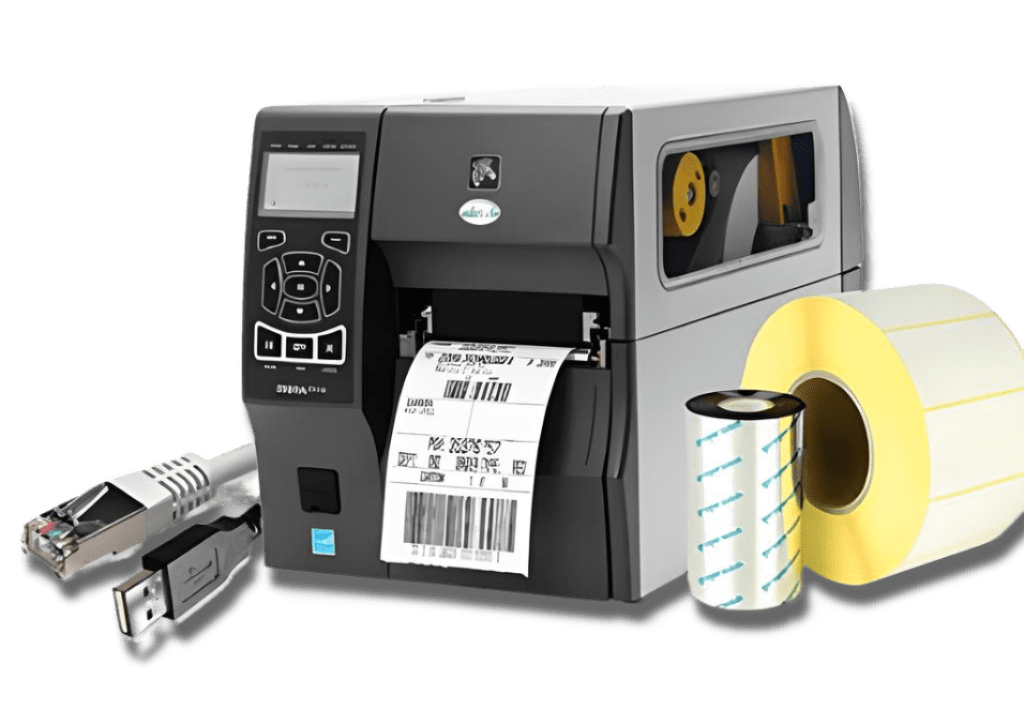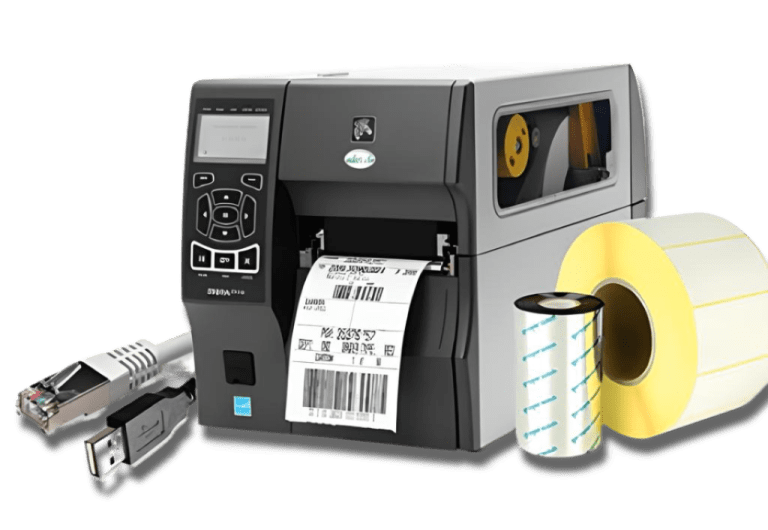
Thermal Transfer vs. Direct Thermal Label Printing: Which Is Right for You in 2026?

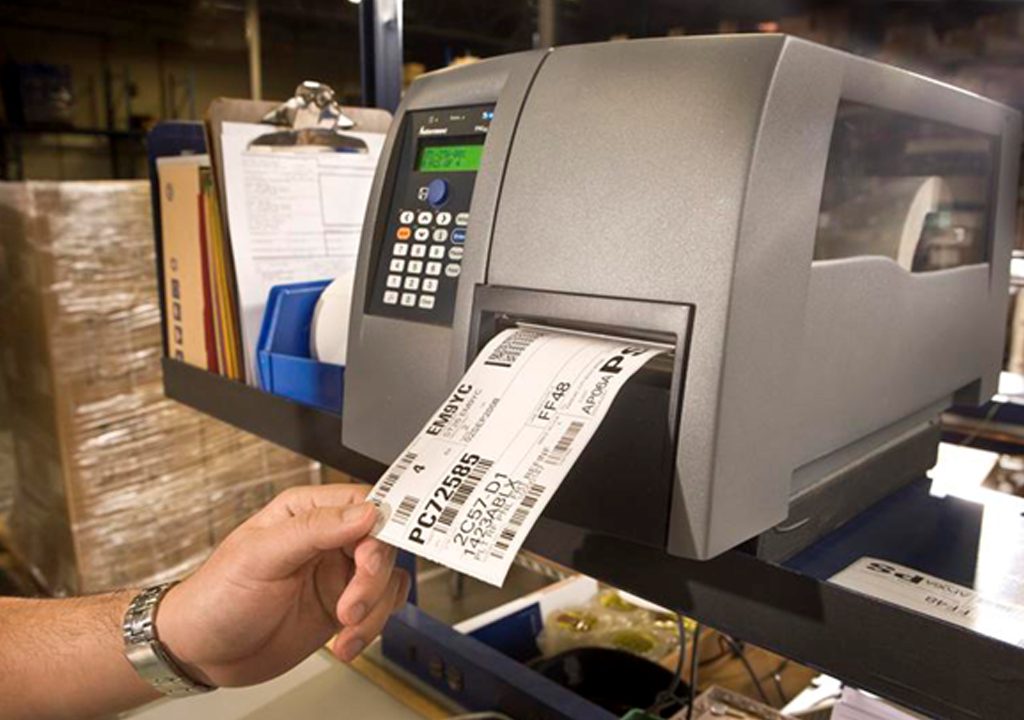
Compare thermal transfer and direct thermal label printing — durability, cost, materials, and best uses — to choose the right method for your products in 2026.
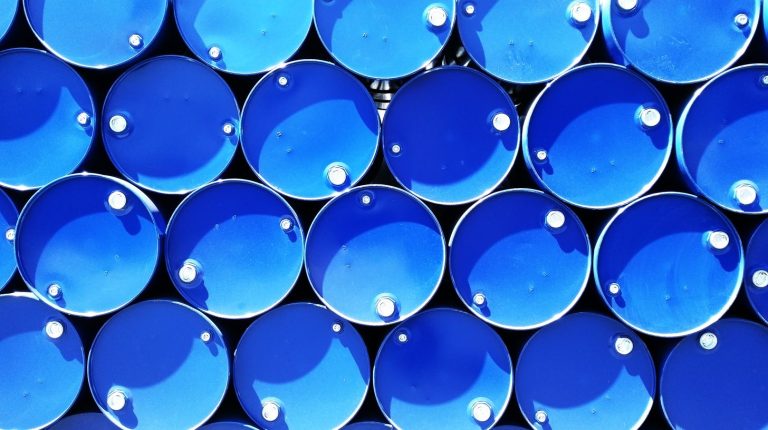
Chemical Drum Labels: BS 5609 and GHS Guide (2026)
What makes chemical drum labels survive UV, solvents and seawater: BS 5609:2024, GHS content rules, material and print method comparison, and the 2026 regulatory changes.
Reasons to update your labels
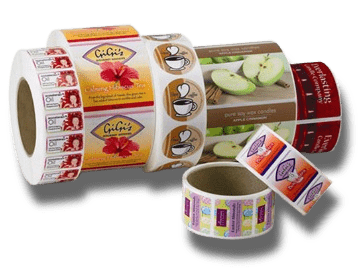
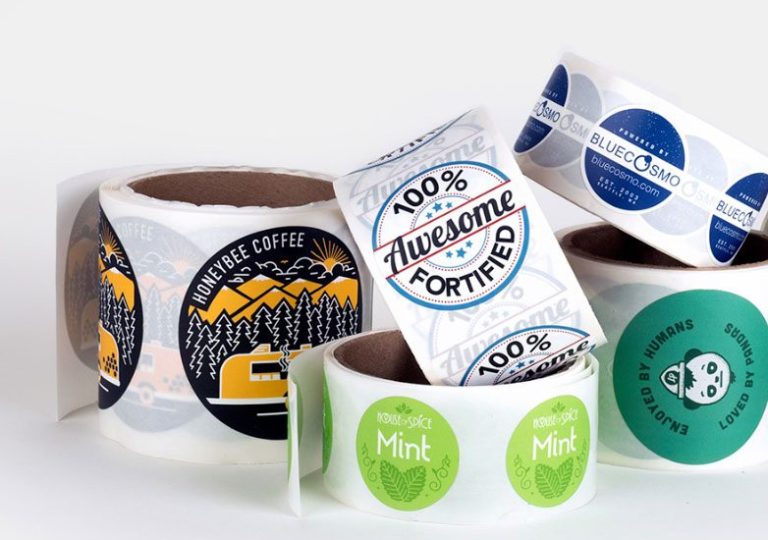
Why is it necessary to innovate packaging labels and product labels?
Knowing when to update your labels keeps your brand compliant, modern, and competitive. Whether you are rebranding, launching a product, or meeting new rules such as...

Barcode Verification: How to Keep Every Code Scanning (2026)
Barcode verification explained: how ISO grading works, what a verifier checks and the simple fixes that keep printed codes scanning first time, every time.
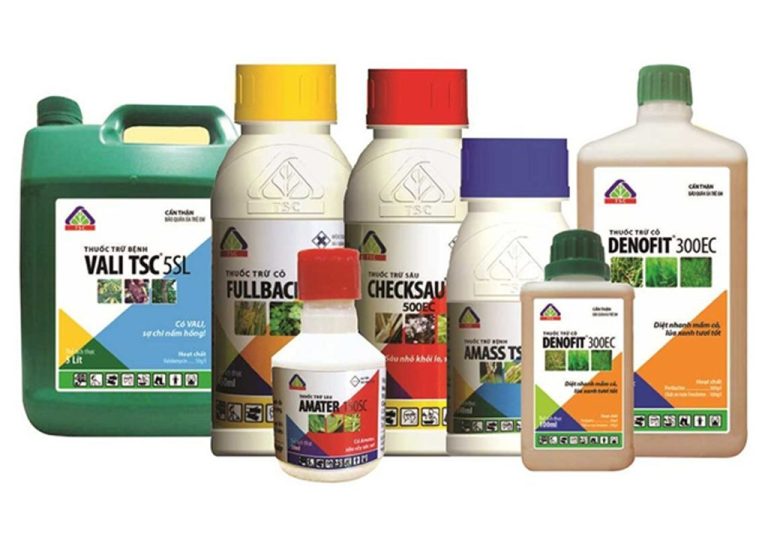
Lubricant and chemical labels
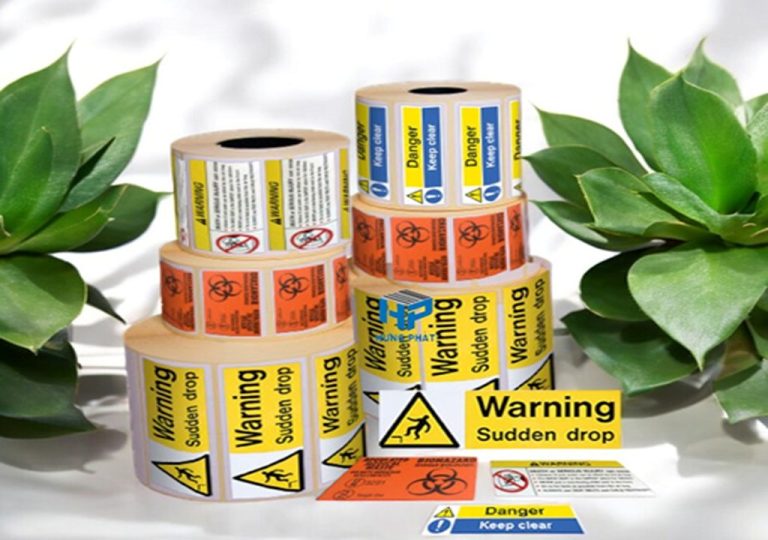
Chemical labels are essential for lubricants, oils and hazardous goods, carrying the safety, handling and compliance information that products in the chemical and oil and gas industries require. Chemical and petroleum labels are indispensable components in the chemical...
Pharmaceutical and Healthcare Labeling: Accuracy and Traceability in 2026
A 2026 guide to pharmaceutical and healthcare labeling — accuracy, serialization, tamper evidence, cold-storage durability, and extended content labels for small vials.
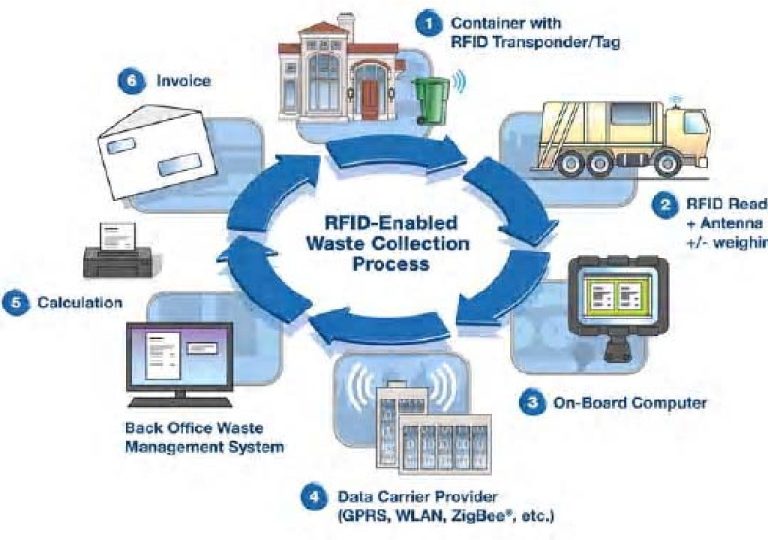
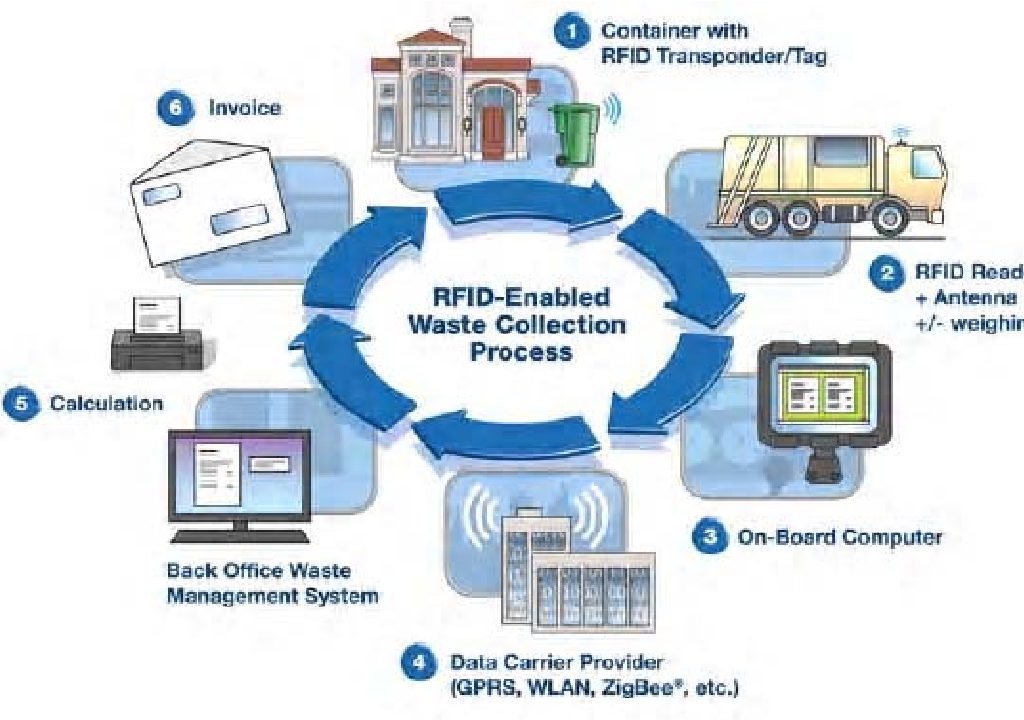
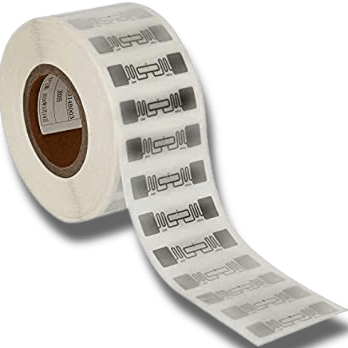
RFID Solution for Safe and Effective Medical Solid Waste Management
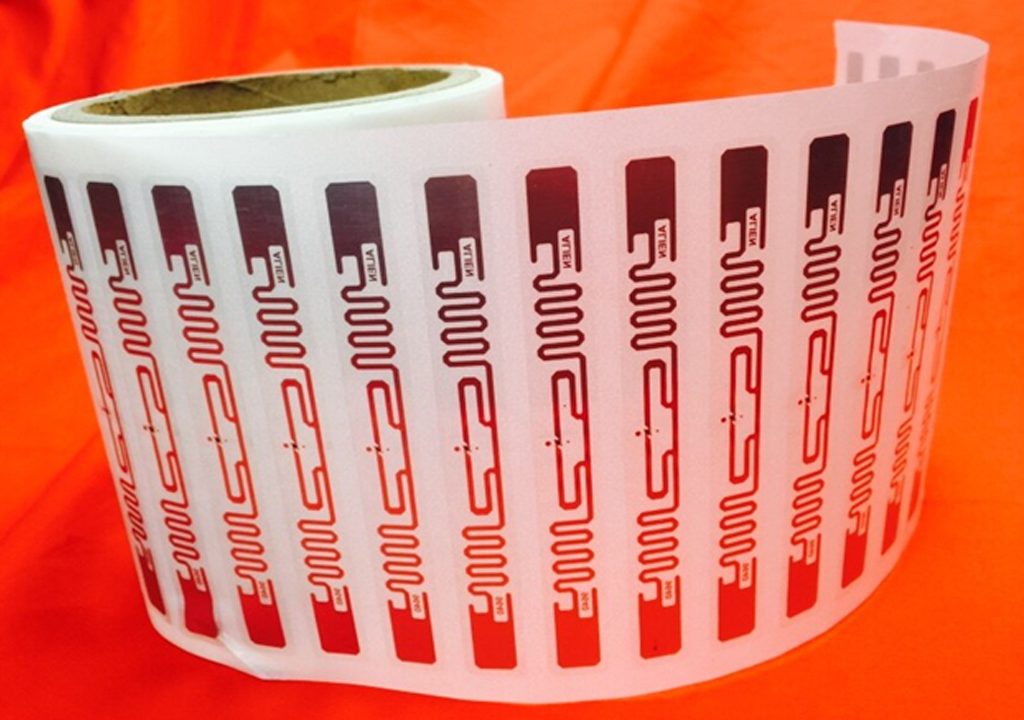
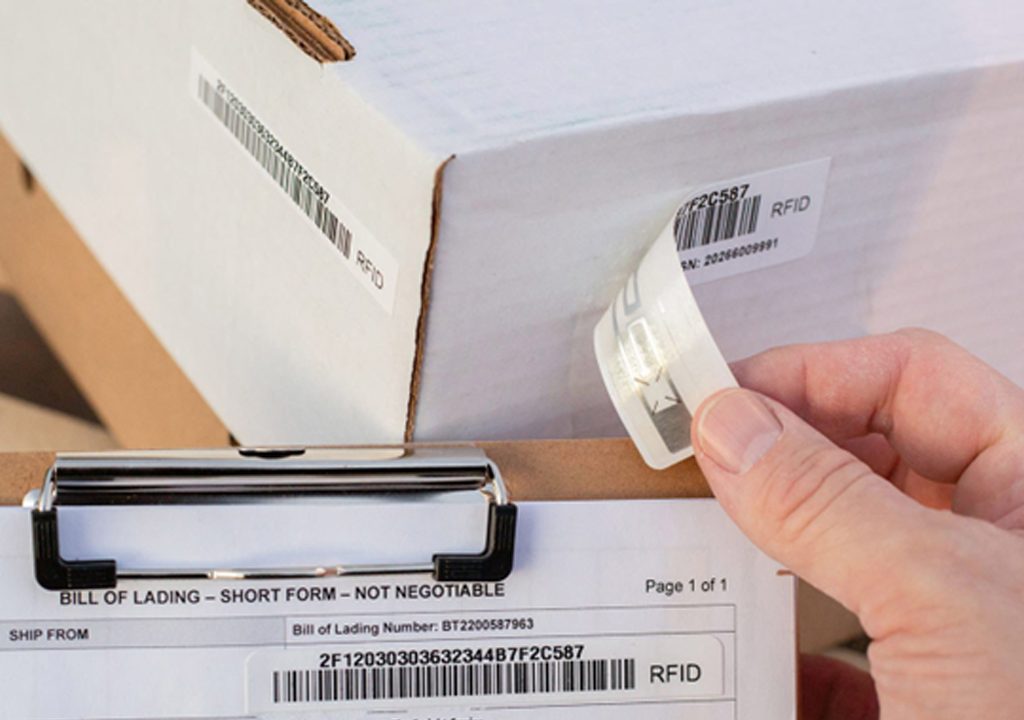
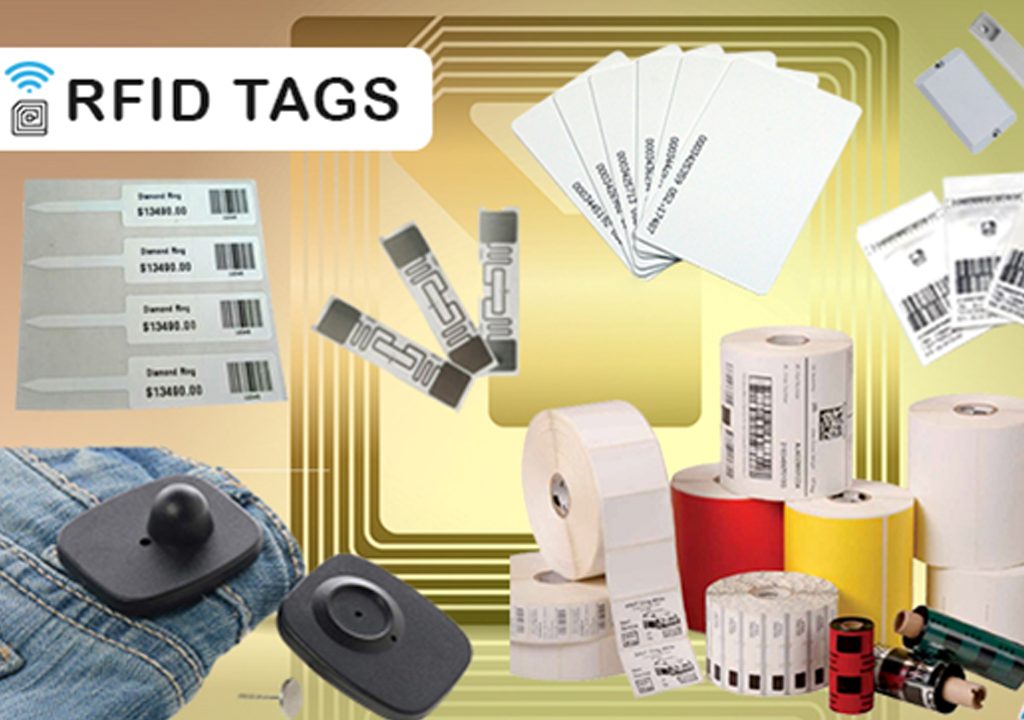
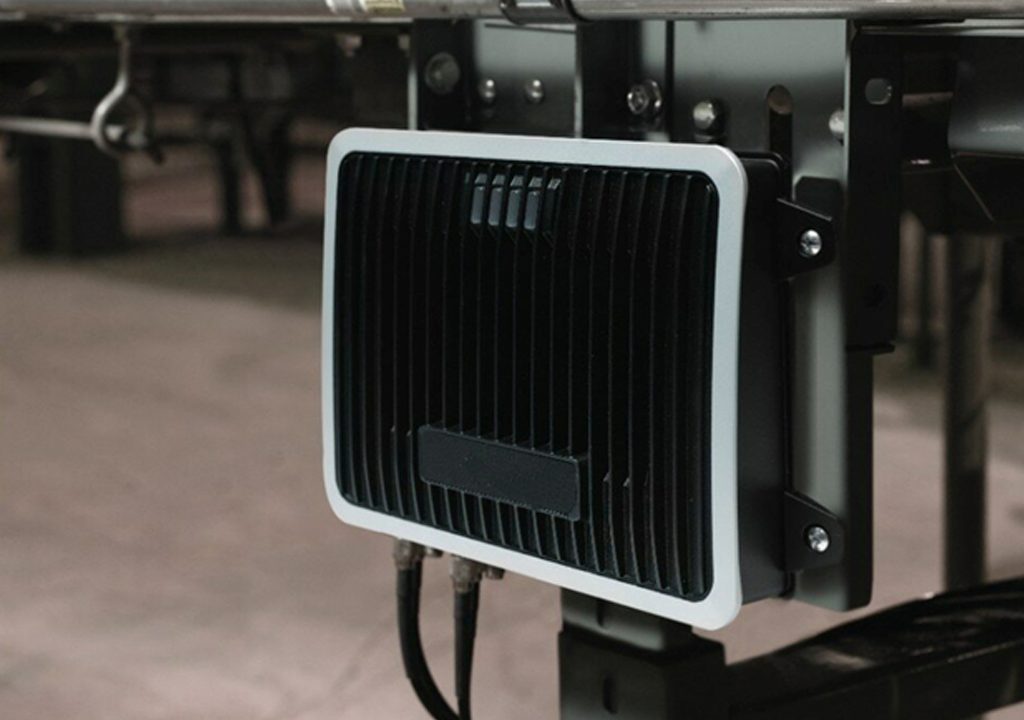
RFID medical waste tracking is transforming how hospitals, clinics, and healthcare facilities manage hazardous solid waste. It supports the safe handling practices recommended by the World Health Organization, and a reliable rollout starts with choosing the right labels...