Pharmaceutical and Healthcare Labeling: Accuracy and Traceability in 2026

Healthcare labeling sits at the intersection of compliance and patient safety. In healthcare, a label can be a matter of safety. Pharmaceutical and healthcare labels demand healthcare labeling that is accurate, durable, traceable, and tamper-evident — with zero tolerance for errors that could affect patient safety.
From dosage details to serialization for anti-counterfeiting, medical labeling is among the most demanding in the industry. At Navi Label Solutions, we help healthcare brands meet these high standards with precision and reliability.
1. Why Medical Labels Are Different
Pharmaceutical labels operate under stricter rules than almost any other category. They must carry exact dosage, batch, and expiry information; remain legible through handling and sterilization; and support full traceability in case of a recall.
Because the stakes involve patient safety, accuracy and consistency are not just best practice — they are mandatory.
2. Core Requirements for Pharma Labels
Several elements are essential on medical and pharmaceutical labels.
- Dosage and instructions: Clear, legible, often multilingual.
- Batch and expiry: Critical for traceability and safety.
- Serialization: Unique codes that fight counterfeiting.
- Tamper evidence: Seals that show if a product was opened.
3. Durability and Special Conditions
Healthcare labels face conditions that ordinary labels cannot handle.
- Cold and cryogenic storage: Vaccines and samples need freezer- and ultra-low-temp labels.
- Moisture and sterilization: Labels must survive autoclaving and wiping.
- Small containers: Vials and ampoules often need extended content labels.
- Legibility: Print must stay crisp and scannable throughout.
4. Pharma Label Requirements at a Glance
| Need | Solution | Why It Matters |
|---|---|---|
| Traceability | Serialized batch codes | Recall and anti-counterfeit |
| Tamper safety | Tamper-evident seals | Patient protection |
| Cold storage | Freezer / cryo labels | Vaccine and sample integrity |
| Small vials | Extended content labels | Fit required information |
| Accuracy | Verified print process | Prevent dosing errors |
5. Healthcare Labeling Trends in 2026

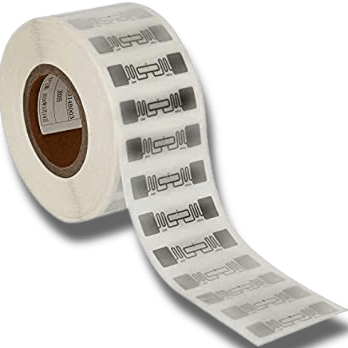
In 2026, serialization and track-and-trace requirements continue to expand globally to combat counterfeit medicines. Smart labels with QR codes and RFID are growing for authentication and patient information, while extended content labels remain essential for fitting multilingual instructions onto small containers.
6. Meeting Healthcare Labeling Standards
Begin with the regulatory requirements for your products and markets, then build in serialization, tamper evidence, and the durability your storage conditions demand. For small containers, plan for extended content labels early. Above all, work with a process that prioritizes print accuracy, because in healthcare there is no margin for error.
Accuracy First
Careful print processes and verification so dosage, batch, and expiry information is always correct and legible.
Traceability & Security
Serialized codes and tamper-evident constructions that support recalls and protect against counterfeiting.
Condition-Ready Labels
Freezer, cryogenic, and sterilization-resistant labels, plus extended content formats for small vials.
Need Compliant Medical Labels?
Labeling pharmaceutical or healthcare products? Tell us your storage conditions, regulatory market, and container type, and we’ll recommend accurate, traceable, and durable labels built for healthcare standards.
- Product and storage (ambient, cold, cryogenic)
- Regulatory market and languages
- Traceability needs (serialization, batch)
- Container size (vial, bottle, box)
Pharmaceutical Label FAQs
What is serialization in pharma labeling?
Serialization assigns a unique identifier to each product unit, enabling track-and-trace across the supply chain. It is a key tool against counterfeit medicines and is increasingly required by regulators.
Do medical labels need to survive cold storage?
Often yes. Vaccines, biologics, and lab samples are stored cold or cryogenically, so their labels need freezer-grade or ultra-low-temperature adhesives and durable, moisture-resistant materials.
How do small vials fit all the required information?
Extended content labels — booklet, fold-out, or peel-and-reveal formats — let small vials and ampoules carry extensive, often multilingual, regulatory information in a compact space.