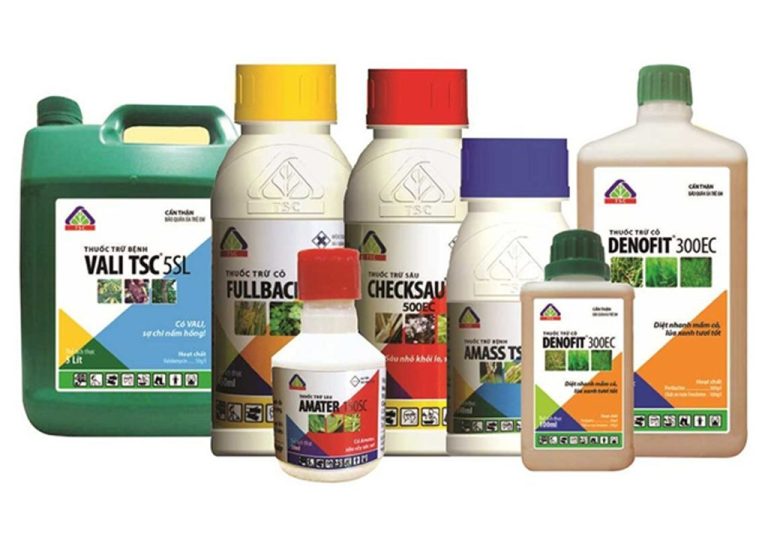
Lubricant and chemical labels

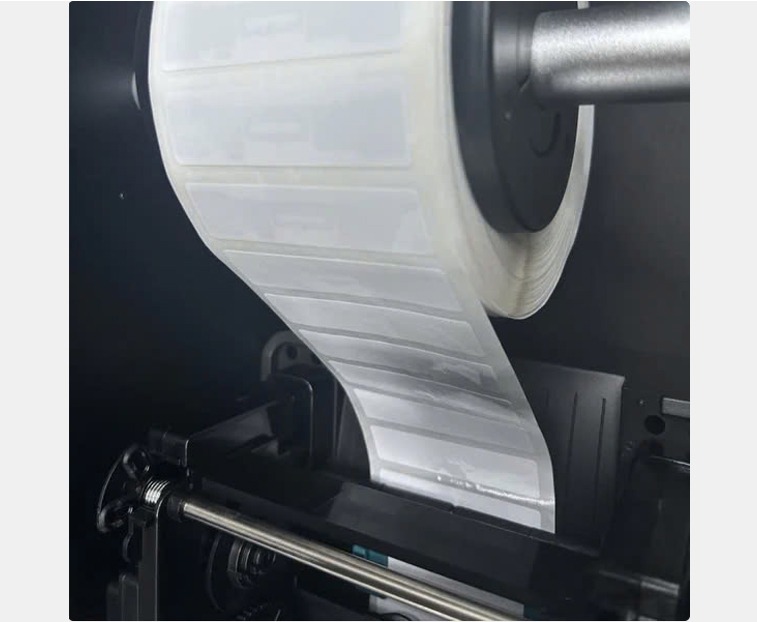
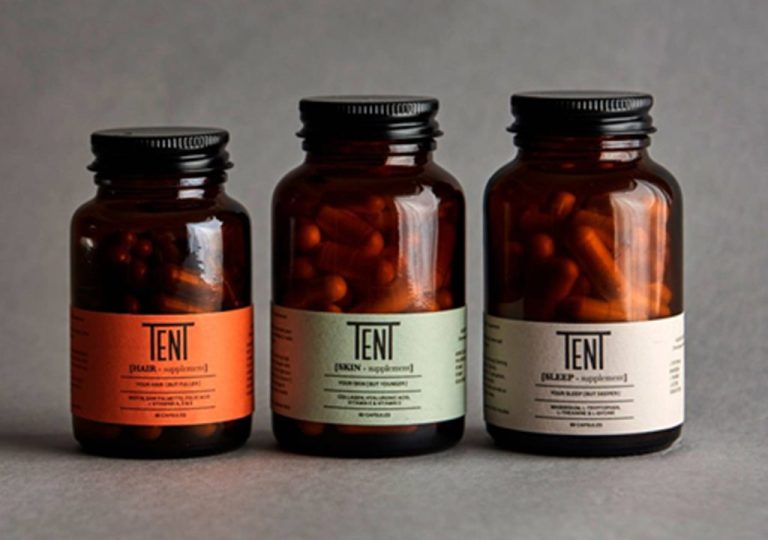
Chemical labels are essential for lubricants, oils and hazardous goods, carrying the safety, handling and compliance information that products in the chemical and oil and gas industries require. Chemical and petroleum labels are indispensable components in the chemical...

Barcode Verification: How to Keep Every Code Scanning (2026)
Barcode verification explained: how ISO grading works, what a verifier checks and the simple fixes that keep printed codes scanning first time, every time.
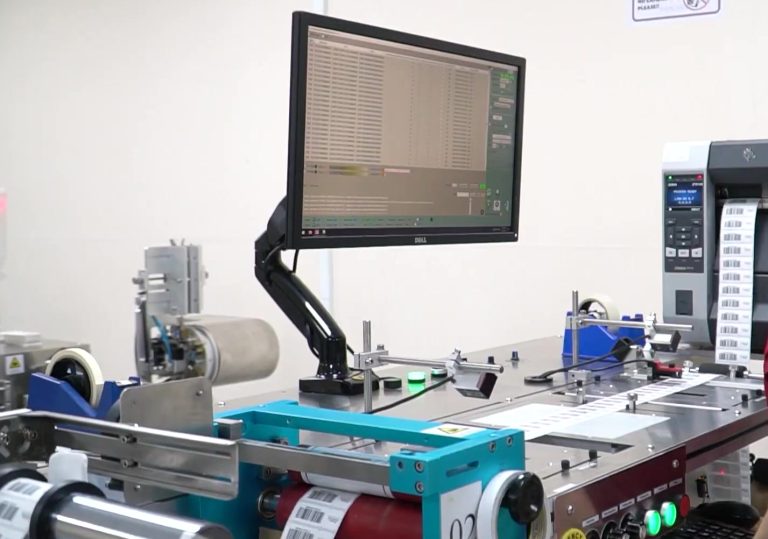
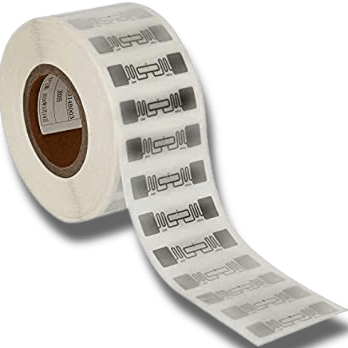
RFID label manufacturing process
https://www.youtube.com/watch?v=UPJuGlElBus
RFID label manufacturing turns raw inlays into finished smart labels through several precise steps, from design to quality control. The encoded data follows the global EPC standards maintained by GS1 EPC/RFID, and the finished labels depend on...
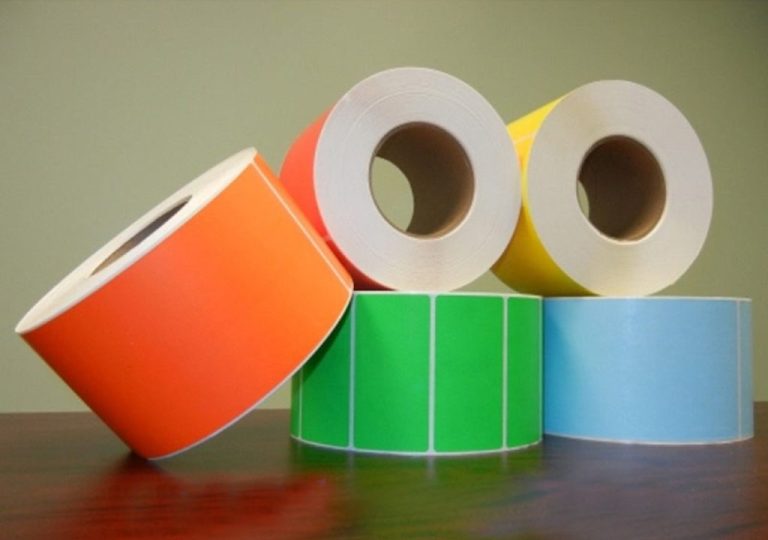
Sustainable & Eco-Friendly Label Printing: A 2026 Guide for Brands
Explore sustainable label printing in 2026 — recyclable and compostable materials, linerless formats, and water-based inks — to reduce waste without losing quality.
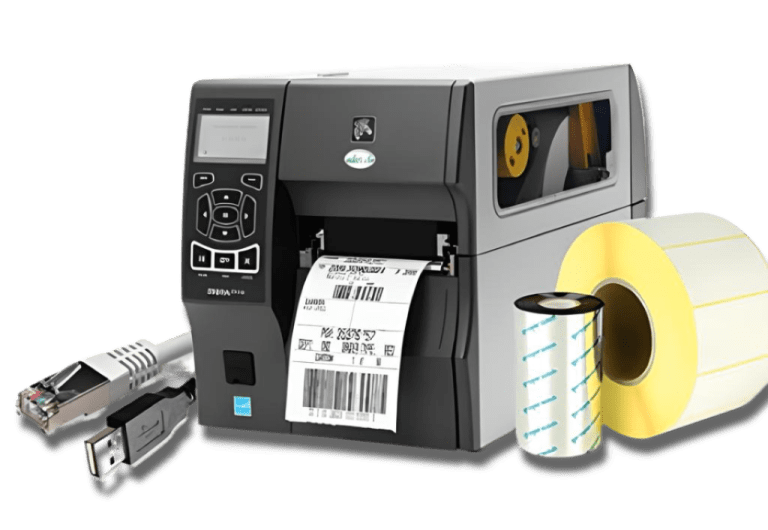
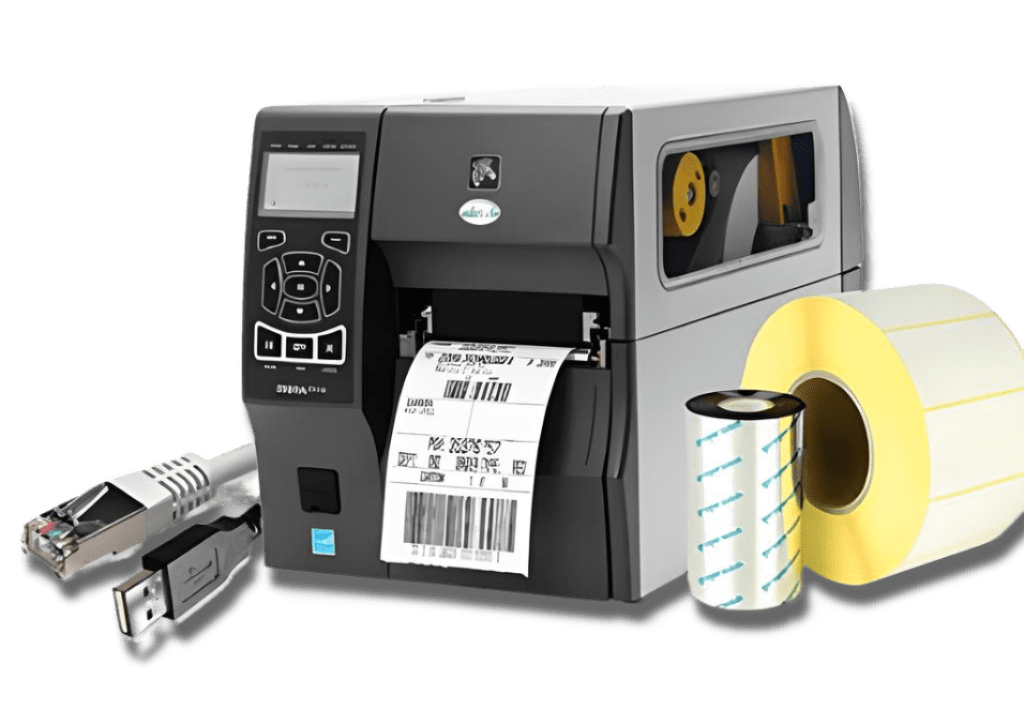
Thermal Transfer vs. Direct Thermal Label Printing: Which Is Right for You in 2026?
Compare thermal transfer and direct thermal label printing — durability, cost, materials, and best uses — to choose the right method for your products in 2026.

Event check-in solution with Barcode and RFID
Event check-in is the first impression every attendee gets, so getting hundreds—or thousands—of guests through quickly and securely matters. Barcode and RFID systems both build on global standards from GS1 EPC/RFID, and a smooth rollout starts with choosing...

TTO Ribbon Troubleshooting: Faded, Smudged and Broken Codes (2026)
TTO ribbon troubleshooting made simple: fix faded codes, smudging, ribbon breaks and wrinkles on flexible packaging lines without wrecking the printhead.