How to Choose Label Materials for Different Surfaces and Environments (2026 Guide)

Choosing the right label materials starts with the surface and environment a label must survive. The right label material is just as important as the print itself. A label that peels off a cold bottle, smudges in a freezer, or yellows in sunlight can damage your brand and disrupt operations.
At Navi Label Solutions, we match face stock, adhesive, and finish to each product so labels stay attached and readable through their full life — on the shelf, in storage, and in transit.
1. Why Material Choice Matters
Two labels can look identical but perform completely differently. The face stock affects appearance and durability, while the adhesive determines whether the label sticks to the surface and stays there under heat, cold, or moisture.
Choosing material based only on price often leads to higher costs later through relabeling, returns, or compliance issues.
2. Common Label Materials and Face Stocks
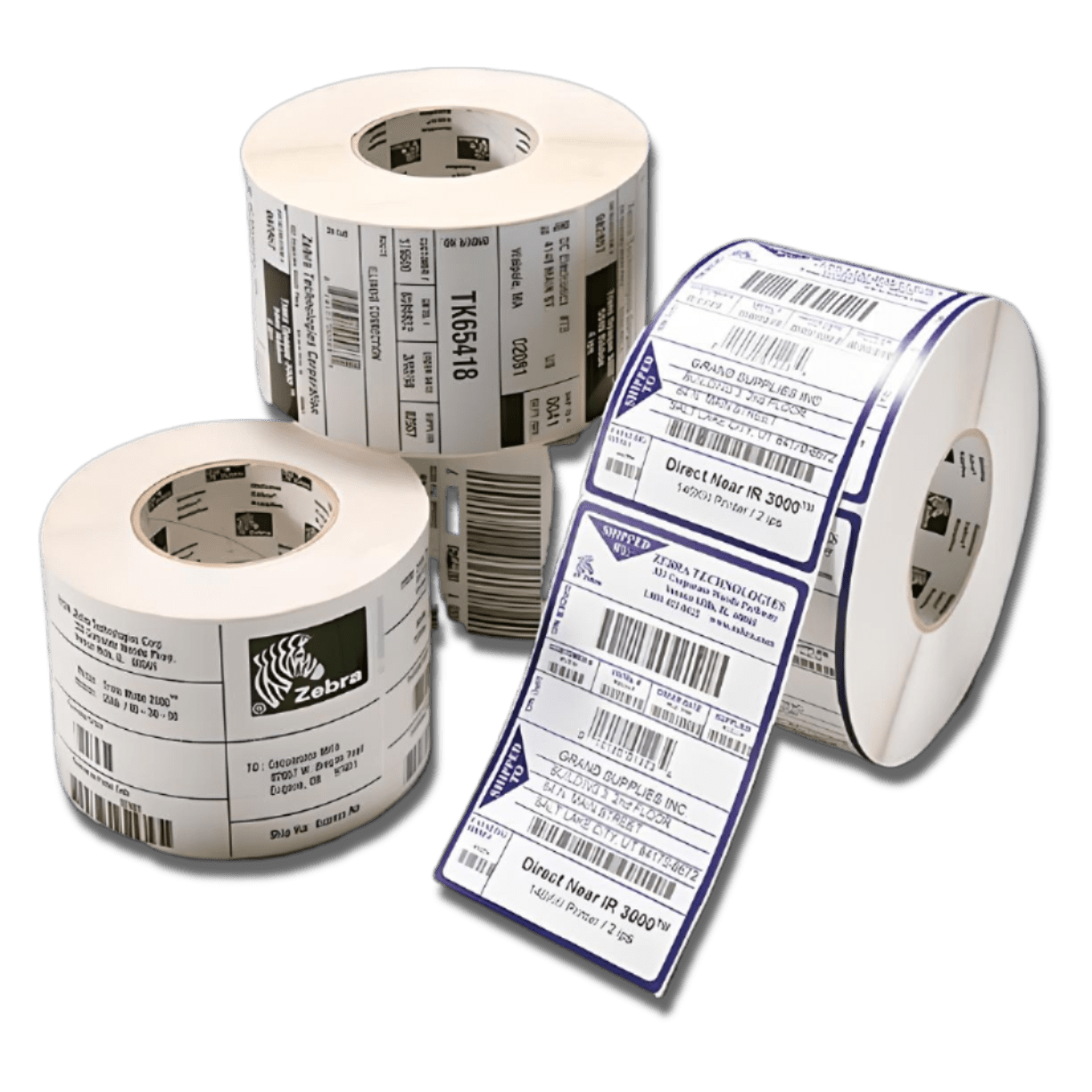
The face stock is the visible top layer that carries your print.
- Paper: Cost-effective for indoor, short-life labels and shipping.
- Film / synthetic (PP, PE, PET): Tear- and moisture-resistant for demanding use.
- Polyester: Extreme durability for asset tags and harsh environments.
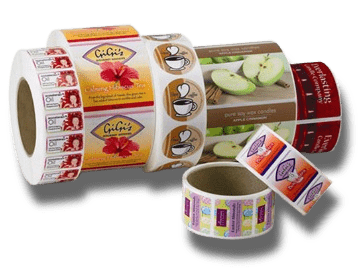
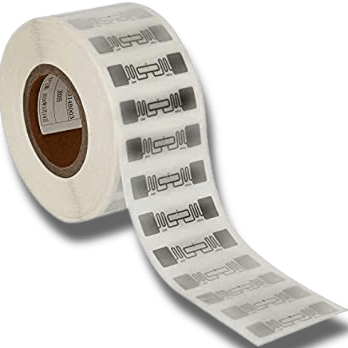
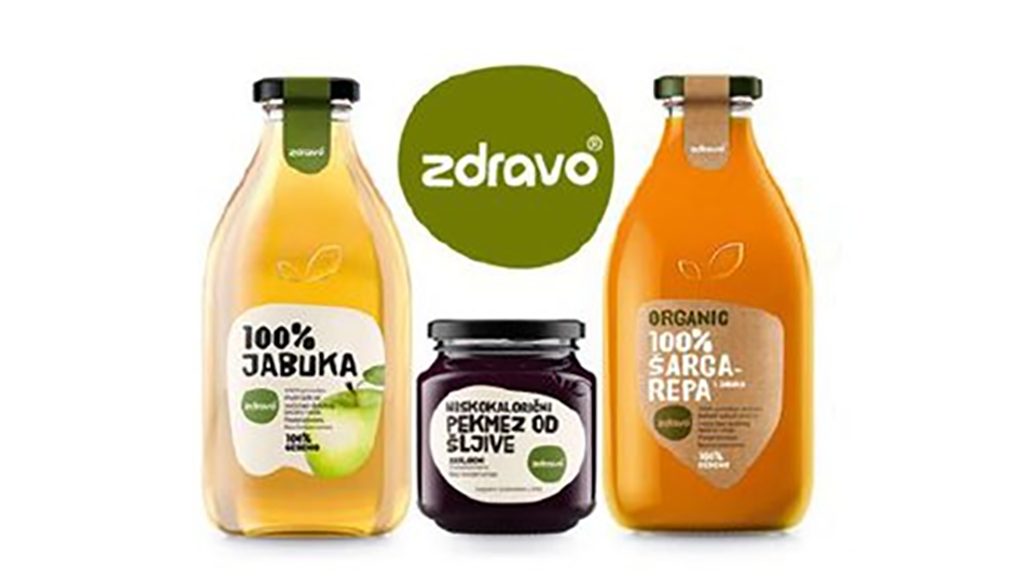
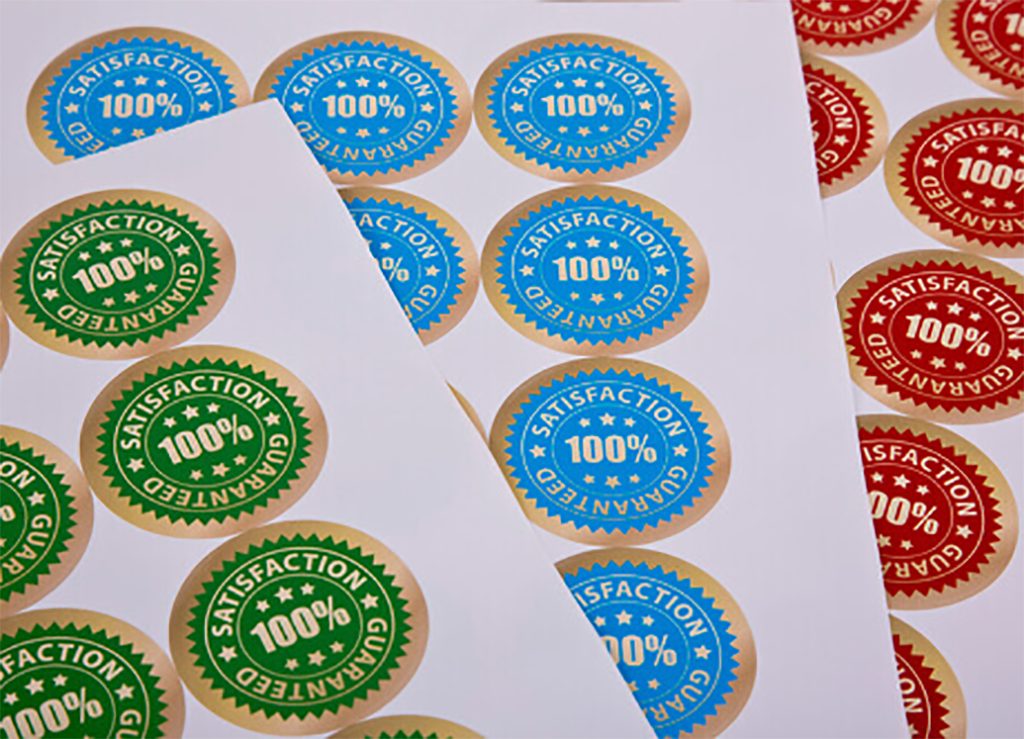
- Specialty stocks: Metallic, transparent, and textured looks for premium branding.
3. Matching Adhesive to the Surface
The adhesive is the part most often overlooked — and the most common reason labels fail.
- Permanent: Strong, long-term bond for product and asset labels.
- Removable: Clean peel for promotions and temporary labels.
- Freezer / cold: Bonds at low temperatures for chilled and frozen goods.
- High-tack: Grips curved, rough, or low-energy plastic surfaces.
4. Material by Surface and Environment
| Surface / Environment | Recommended Material | Adhesive |
|---|---|---|
| Indoor cartons | Paper | Permanent |
| Plastic bottles | Film / PP | Permanent or high-tack |
| Freezer / cold storage | Film / polyester | Freezer-grade |
| Outdoor / sunlight | Polyester / PET | Permanent, UV-stable |
| Chemical containers | Polyester | Chemical-resistant |
| Curved surfaces | Conformable film | High-tack |
5. What’s Changing in Label Materials This Year
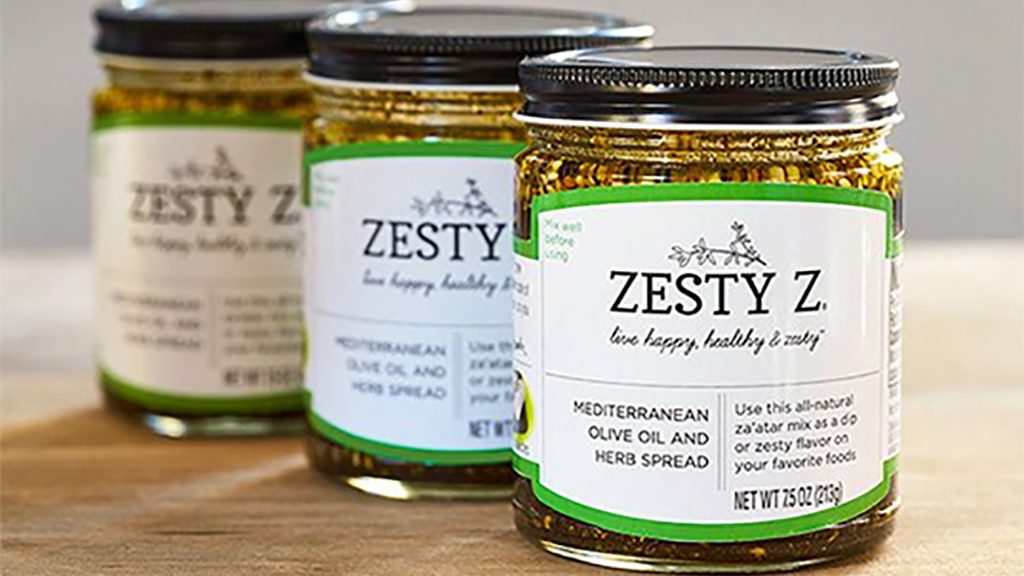
Demand is rising for recyclable face stocks, linerless labels that cut waste, and durable synthetics that extend label life. Brands increasingly want materials that balance sustainability with the performance their products require.
6. Putting It All Together
Work backwards from three things: the surface, the environment, and how long the label needs to last. Indoor, short-life labels can use paper, while products facing cold, moisture, sunlight, or chemicals need film or polyester with the right adhesive. When in doubt, request samples and test them in real conditions before committing to a large run.
Why Work With Navi Label Solutions?
Material choices get a lot easier with someone who has seen what fails and why. We match face stock, adhesive, and finish to how your product is really used, and back it up with samples you can test before you commit.
Face & Adhesive Matching
We pair the right face stock and adhesive to your exact surface, so labels grip and stay put instead of curling or peeling.
Real-World Testing
Samples you can test on the actual product under real heat, cold, or moisture before committing to a full run.
Cost vs. Performance Advice
Guidance on where to invest in durable materials and where standard stock is enough, avoiding costly relabeling later.
Need Help Choosing a Material?
Not sure which face stock and adhesive your product needs? Share the surface, the environment, and how long the label must last, and we’ll recommend a material combination — and send samples you can test before ordering.
- The surface the label goes on (plastic, glass, metal, card)
- The environment (indoor, freezer, outdoor, chemical)
- Required lifespan of the label
- Whether you need samples to test first

Label Material Questions, Answered
What is the most durable label material?
Polyester (PET) is among the most durable face materials, resisting moisture, chemicals, abrasion, and temperature extremes, which makes it ideal for asset tags and harsh environments.
Why do my labels keep peeling off?
Peeling is usually an adhesive mismatch. Cold, wet, curved, or low-energy plastic surfaces need specialized adhesives such as freezer-grade or high-tack, rather than standard permanent adhesive.
Can I use paper labels outdoors?
Paper labels are not recommended for outdoor or wet conditions because they absorb moisture and fade. Film or polyester labels with UV-stable, permanent adhesive perform far better outdoors.