Barcode & QR Code Labels for Inventory and Traceability (2026 Guide)

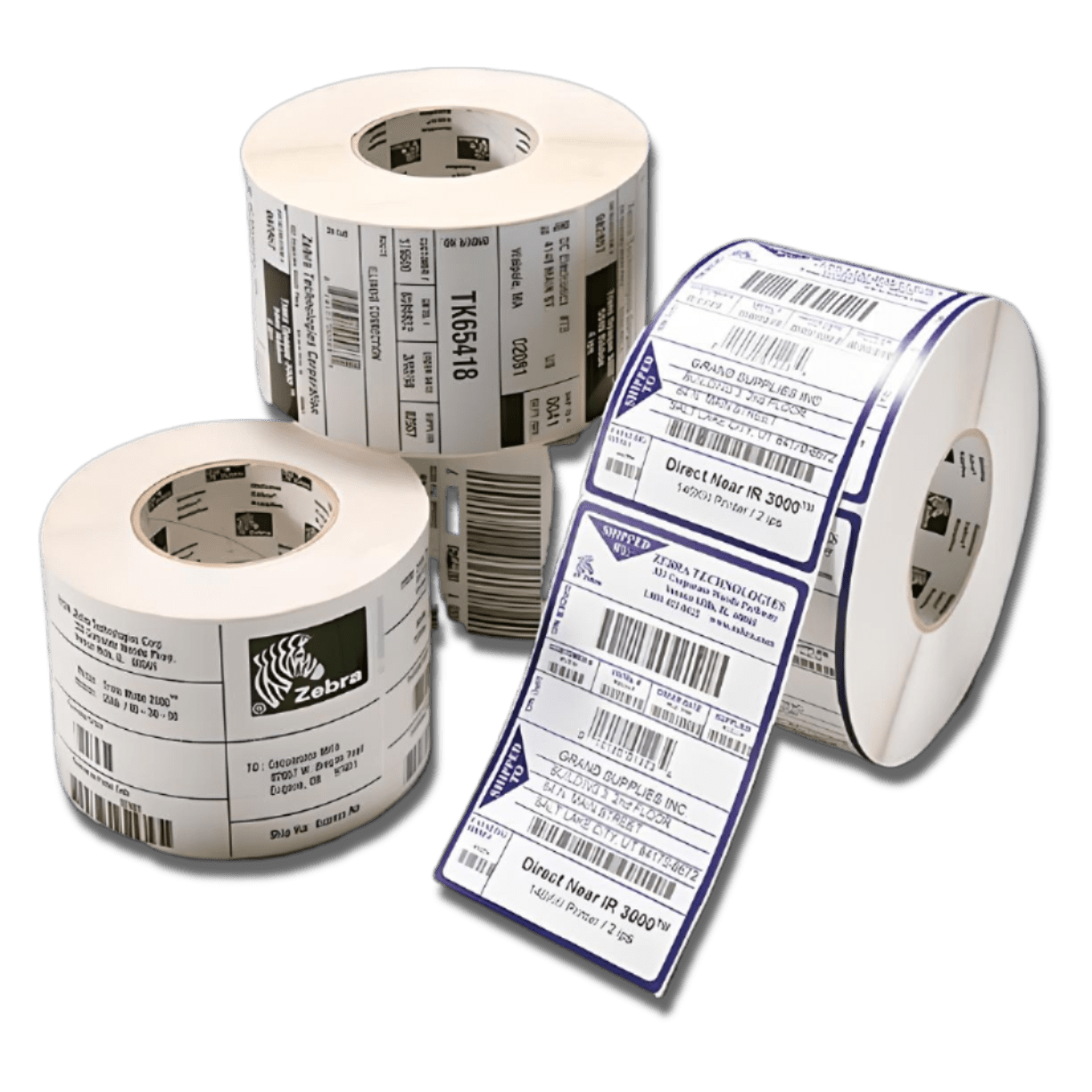
Barcode and QR code labels are the backbone of modern inventory, retail, and traceability systems. Well-designed barcode and QR code labels make this possible: a single scan can identify a product, update stock, confirm a shipment, or link a customer to product information.
At Navi Label Solutions, we produce accurate, scannable barcode and QR labels — on the right material and at the right size — so your scanners read them reliably the first time, every time.
1. Why Scannable Labels Matter
A barcode is only useful if it scans cleanly. Poor print quality, the wrong size, low contrast, or a curved surface can cause failed scans that slow operations and create errors.
Getting the label material, print resolution, and quiet zone right is what separates a reliable barcode system from a frustrating one.
2. Barcodes vs. QR Codes
Both are scannable, but they store data differently.
- 1D barcodes: Hold short numeric/alphanumeric data — ideal for SKUs and retail checkout.
- 2D QR codes: Store much more data and link to web content, batch info, or instructions.
- Readability: QR codes can be scanned from any angle and even when partly damaged.
- Best mix: Many products carry both for operations and customer engagement.
3. Designing Barcode and QR Code Labels That Scan

For barcode and QR code labels, reliable scanning starts at the design and print stage.
- Contrast: Dark code on a light background scans best.
- Quiet zone: Leave clear margin around the code.
- Size and resolution: Match code size to scan distance and printer resolution.
- Surface: Use matte or non-glare finishes to avoid reflection on shiny labels.
4. Barcode vs. QR Code: Quick Comparison
| Factor | 1D Barcode | 2D QR Code |
|---|---|---|
| Data capacity | Low | High |
| Scan angle | Linear | Any direction |
| Best for | Retail, SKU | Traceability, marketing |
| Damage tolerance | Low | High (error correction) |
| Size needed | Wider | Compact |
5. Where Traceability Is Going in 2026
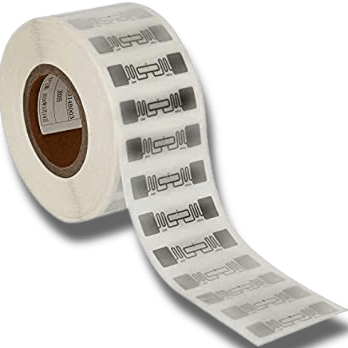
Serialized barcodes, QR-driven product authentication, and integration with RFID are expanding traceability across supply chains. In 2026, more brands use QR codes not only for logistics but to give customers product origin, recycling, and warranty information directly from the label.
6. Choosing Between Barcode and QR Code Labels
Let the job decide the code type: 1D barcodes for fast retail and SKU scanning, QR codes for richer data and customer engagement, or both together. Then choose a durable material and a print method — usually thermal transfer — that keeps the code crisp for the life of the product.
Why Work With Navi Label Solutions?
A barcode that fails to scan costs far more than the label itself. We make sure your codes are the right type, size, and material so they read cleanly the first time — on the line, in the store, and across your supply chain.
Scan-Verified Codes
We make sure your barcodes and QR codes meet size, contrast, and quiet-zone rules so scanners read them first time.
Right Code for the Job
Advice on 1D barcodes for retail and SKUs versus 2D QR codes for traceability and customer engagement, or both.
System-Ready Output
Durable print and materials that keep codes legible across your scanners, line speeds, and supply chain.
Need Labels That Always Scan?
Want barcodes and QR codes that scan every time? Tell us your code type, scanner, and surface, and we’ll make sure the size, contrast, and material are right for reliable scanning across your operation.
- Code type needed (barcode, QR, or both)
- Scan distance and device (handheld, fixed, mobile)
- Surface and finish (matte vs. glossy)
- Data each code must carry
Barcode & QR Code FAQs
Why won’t my barcode scan?
Common causes are low contrast, a missing quiet zone, the wrong size for the scanner, a glossy reflective surface, or faded direct thermal print. Improving print quality and material usually fixes scanning problems.
Should I use barcodes or QR codes?
Use 1D barcodes for retail checkout and simple SKU tracking, and QR codes when you need more data or want to link customers to digital content. Many products benefit from carrying both.
What is the best print method for barcodes?
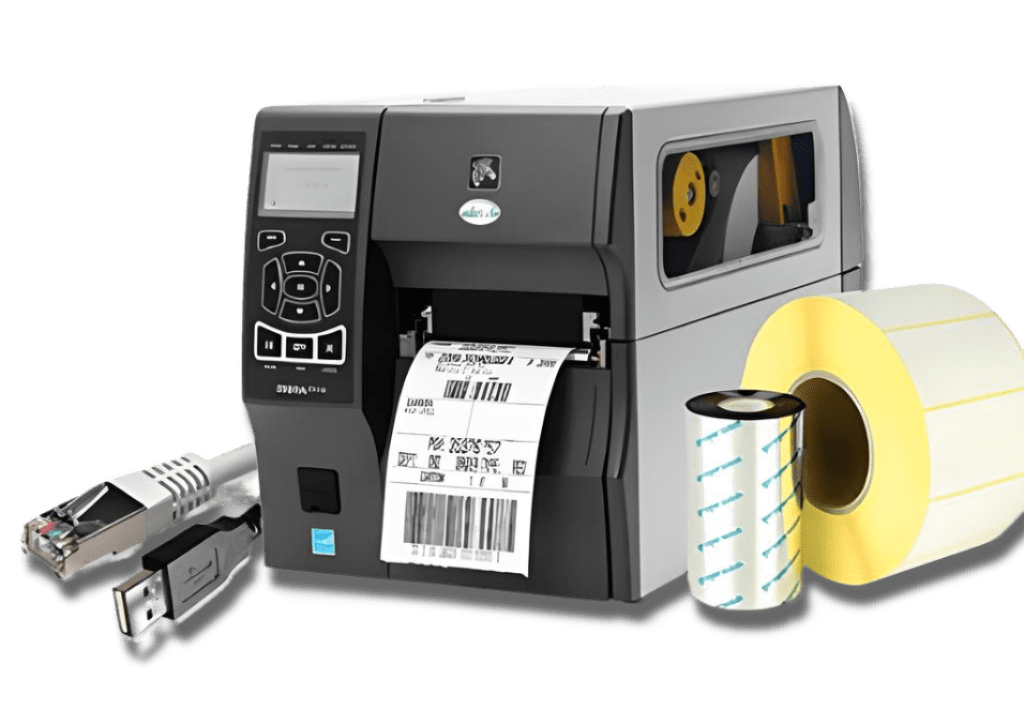
Thermal transfer printing is preferred for barcodes because it produces sharp, durable, high-contrast images that resist fading and keep scanning reliably over time.