Logistics & Shipping Labels for Warehouse Efficiency (2026 Guide)

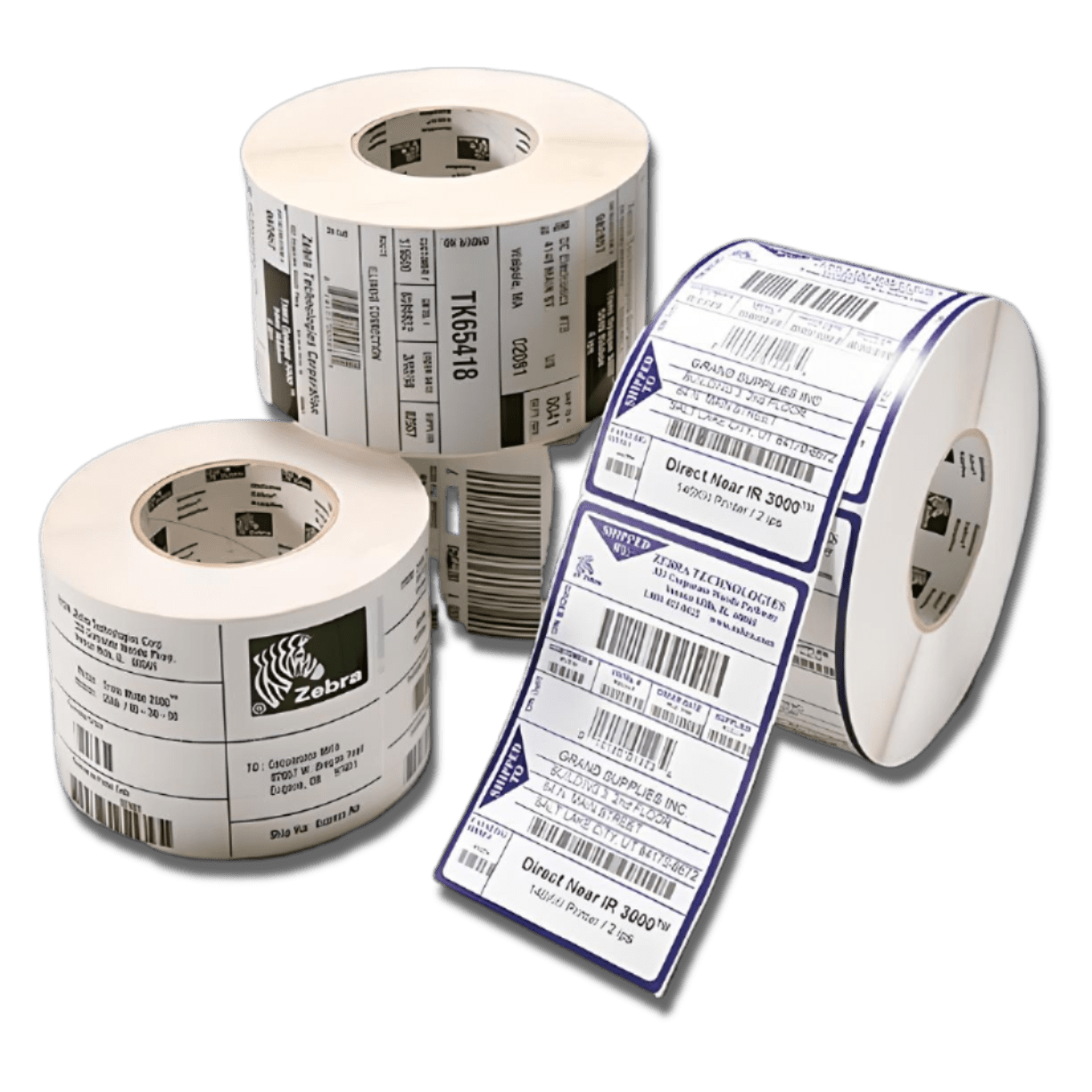
In a busy warehouse, labels keep everything moving. Shipping and logistics labels identify, route, and track every carton and pallet — and a single unscannable or peeling label can stall an entire shipment.
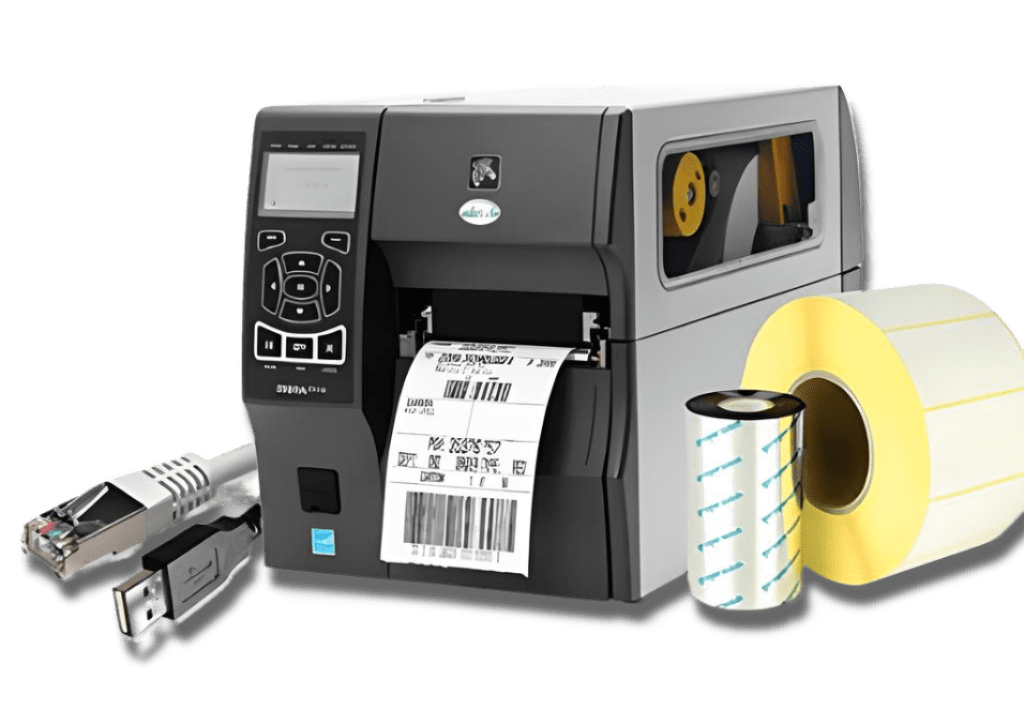
At Navi Label Solutions, we supply reliable logistics labels that print fast, scan cleanly, and stay attached from the warehouse to the final destination.

1. Why Shipping and Logistics Labels Are Mission-Critical

Shipping labels carry the data that drives sorting, routing, and delivery. When a label fails to scan or falls off, parcels get delayed, misrouted, or lost — creating cost, rework, and unhappy customers.
Reliability matters more than appearance here: the label simply has to work every time, at speed.
2. Choosing Shipping Label Materials

Logistics labels face rough handling, stacking, and variable conditions.
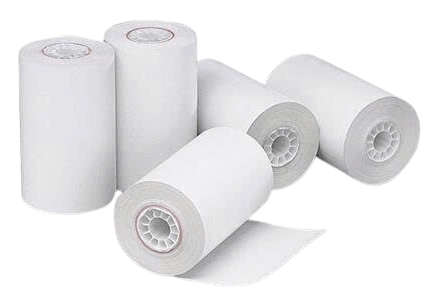
- Direct thermal: Economical for short-transit labels with no ribbon cost.
- Thermal transfer: Durable choice for longer journeys and outdoor exposure.
- Strong adhesive: Holds on corrugated cartons, shrink wrap, and pallets.
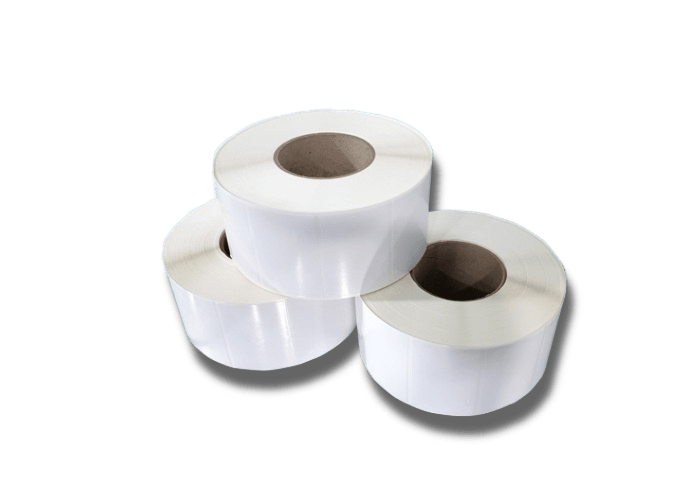
- Right size: Standard 4×6 formats suit most carrier and pallet labels.
3. Labels That Speed Up the Warehouse
Well-designed labels directly improve throughput and accuracy.
- High-contrast barcodes: Scan first time, every time.
- Clear human-readable text: Backup when scanning is not possible.
- Consistent placement: Predictable position speeds scanning.
- Durable print: Stays legible through the whole journey.
4. Shipping Label Options Compared
| Need | Recommended | Notes |
|---|---|---|
| Short transit | Direct thermal | Low cost, no ribbon |
| Long / rough transit | Thermal transfer | Durable, fade-resistant |
| Pallet / GS1 labels | Thermal transfer | Large, scannable |
| Outdoor exposure | Synthetic + TT | Water- and UV-resistant |
| High volume | Linerless | Less waste, faster |
5. Logistics Labeling in 2026

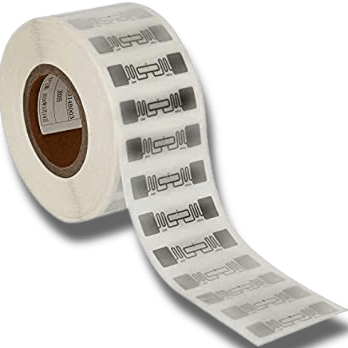
Warehouse automation, real-time tracking, and RFID-enabled cartons are expanding in 2026. Linerless labels reduce waste and downtime on high-speed lines, while QR and serialized barcodes give end-to-end visibility across the supply chain.
6. Choosing Labels That Keep You Moving
Match the label to the journey it has to survive: direct thermal for quick, low-cost shipments and thermal transfer or synthetics for long or rough transit. Prioritize high-contrast, correctly sized barcodes, strong adhesive for cartons, and consistent placement so your scanners and team stay fast and accurate.
Why Work With Navi Label Solutions?
In a fast-moving warehouse, a label just has to work — every scan, every time. We supply logistics labels built for the journey ahead, so cartons get where they belong without delays or rework.
Journey-Matched Labels
Direct thermal for short hops or thermal transfer and synthetics for long, rough, or outdoor transit, matched to your route.
First-Time Scan Rate
High-contrast, correctly sized barcodes and consistent placement so scanners read cleanly and dispatch keeps moving.
Volume-Ready Supply
Standard formats and dependable supply for high-throughput warehouses, including linerless options to cut downtime.
Need Reliable Shipping Labels?
Need shipping labels that keep your warehouse moving? Tell us your transit conditions, carrier format, and volume, and we’ll recommend durable, scannable labels built for the journey ahead.
- Transit length and conditions (short, long, outdoor)
- Carrier or GS1 format required
- Surface (carton, shrink wrap, pallet)
- Daily label volume

Shipping Label FAQs
Are direct thermal labels good for shipping?
Yes, for short transit times direct thermal is economical and ribbon-free. For long journeys or outdoor exposure, thermal transfer or synthetic labels resist fading and damage better.
What size are standard shipping labels?
The most common format is 4×6 inches, which fits most carriers and pallet labels and leaves room for clear barcodes and human-readable text.
How do I stop shipping labels from peeling off cartons?
Use a strong permanent adhesive rated for corrugated and rough surfaces, apply to a clean, dry area, and press firmly. For rough handling, a more aggressive high-tack adhesive helps.