In-Mold Labels vs. Pressure-Sensitive Labels: Choosing the Right Label Printing Solution in 2026

Labels are no longer just a price tag or a barcode — they are a brand’s first handshake with the customer. In 2026, choosing the right label printing solution directly affects shelf appeal, regulatory compliance, sustainability goals, and how easily your products move through automated warehouses.
Two of the most widely used technologies dominate the conversation: in-mold labels (IML) and pressure-sensitive labels (PSL). Each has clear strengths depending on your product, budget, and production volume.
At Navi Label Solutions, we help businesses pick the right material, finish, and printing method so every product looks professional and stays compliant. This guide breaks down how the two technologies differ and how to choose the best fit.
1. Why Your Choice of Label Printing Solution Matters in 2026

Modern consumers make buying decisions in seconds, and a clean, durable, high-resolution label can be the difference between a sale and a scroll-past. Beyond aesthetics, today’s labels must survive cold chains, humidity, friction, and recycling streams.
The right printing method protects your brand image, reduces waste, and keeps you compliant with tightening global packaging and traceability standards.
2. In-Mold Labels (IML) for Premium, Durable Packaging

In-mold labeling fuses a pre-printed label directly into a plastic container during the molding process. The result is a seamless, single-material product where the label becomes part of the packaging — no glue, no edges to peel.
- Premium look: Photo-quality graphics that appear printed straight onto the product.
- Extreme durability: Scratch, water, and moisture resistant — ideal for freezers and refrigerated goods.
- Recyclable by design: Single-material packaging simplifies recycling.
- Best for: Food tubs, dairy, paint cans, and high-volume consumer goods.
3. Pressure-Sensitive Labels (PSL) for Flexibility and Speed
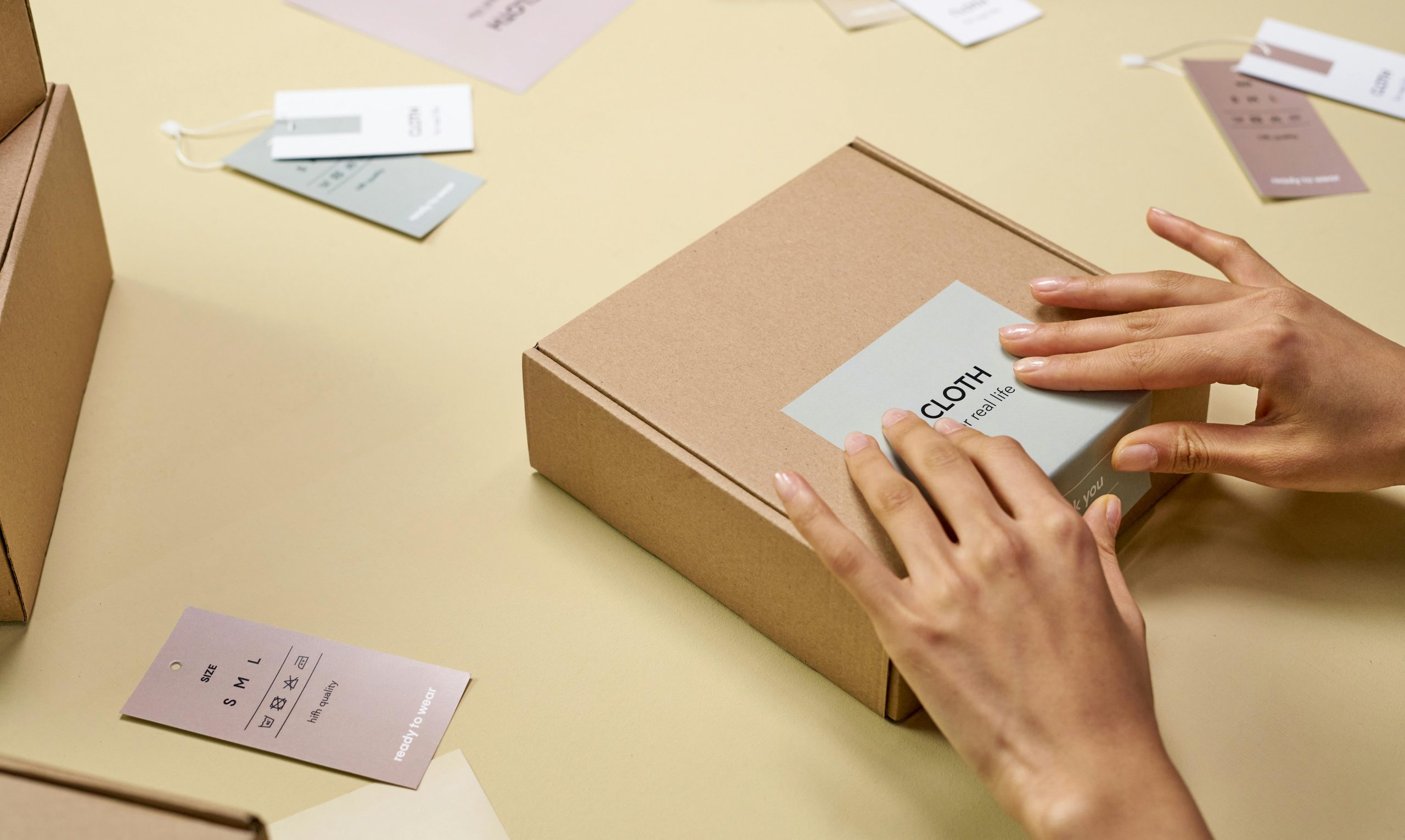
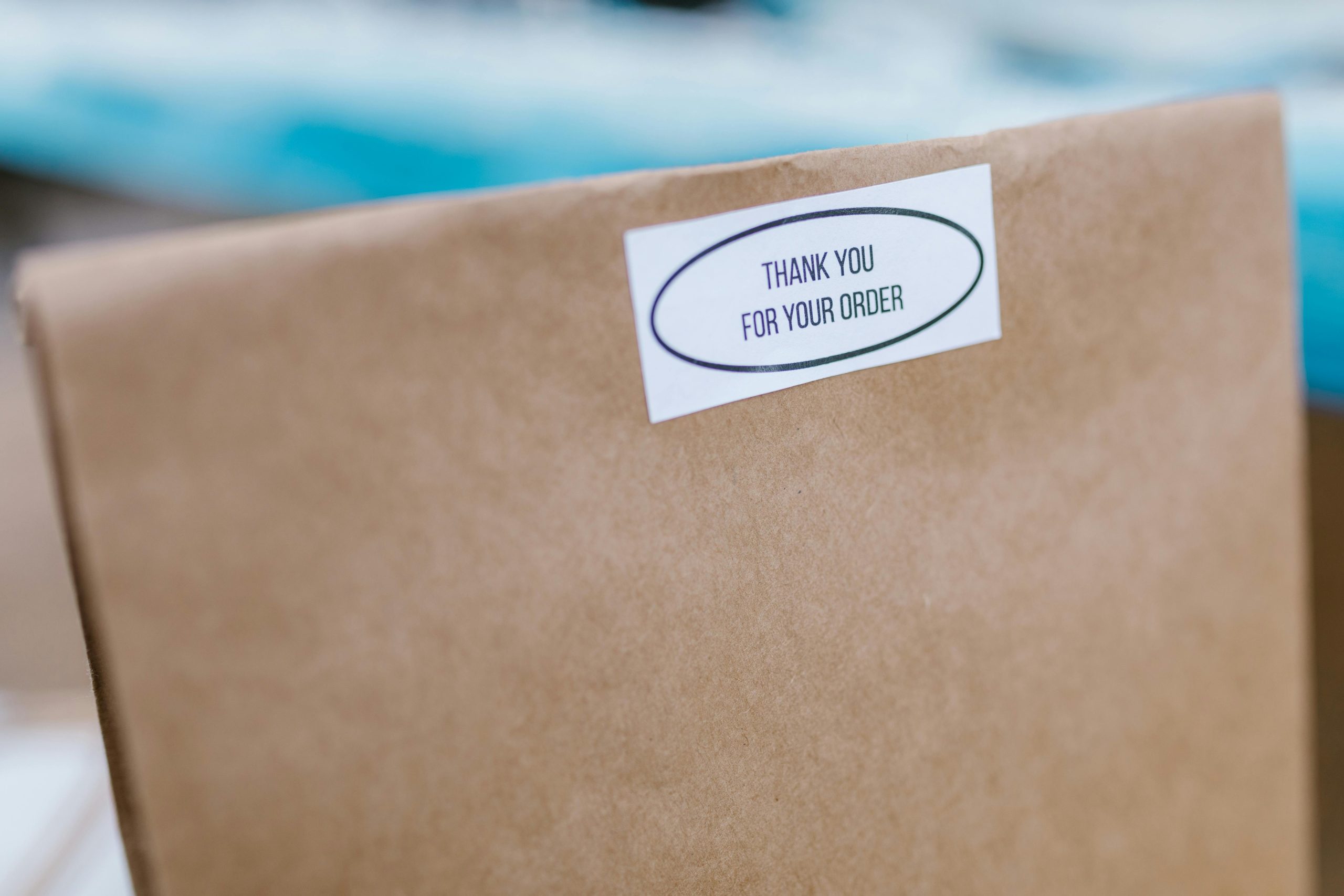
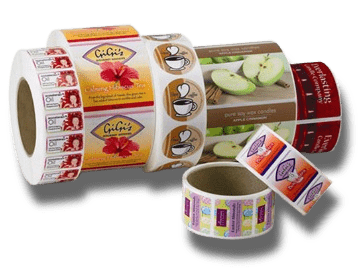
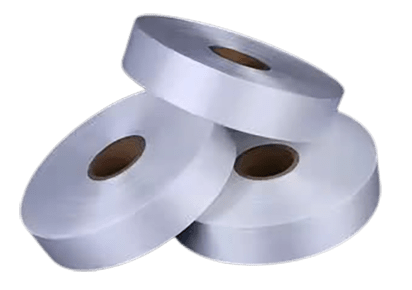
Pressure-sensitive labels are the familiar self-adhesive labels applied with light pressure — no heat, water, or solvent needed. They are the most flexible and cost-effective choice for the widest range of surfaces and order sizes.
- Versatile materials: Paper, film, vinyl, and specialty stocks for almost any surface.
- Cost-effective for short runs: Perfect for custom, seasonal, or small-batch products.
- Fast turnaround: Quick to design, print, and apply.
- Best for: Cosmetics, pharmaceuticals, logistics, and product branding.
4. In-Mold vs. Pressure-Sensitive: Quick Comparison
| Factor | In-Mold Labels | Pressure-Sensitive Labels |
|---|---|---|
| Durability | Very high | High (material dependent) |
| Best run size | High volume | Short to medium runs |
| Surface options | Plastic containers | Almost any surface |
| Recyclability | Excellent (single material) | Good (depends on liner/material) |
| Setup cost | Higher | Lower |
5. Label Printing Trends to Watch in 2026
- Sustainable & recyclable materials: Linerless labels and mono-material packaging are reducing waste.
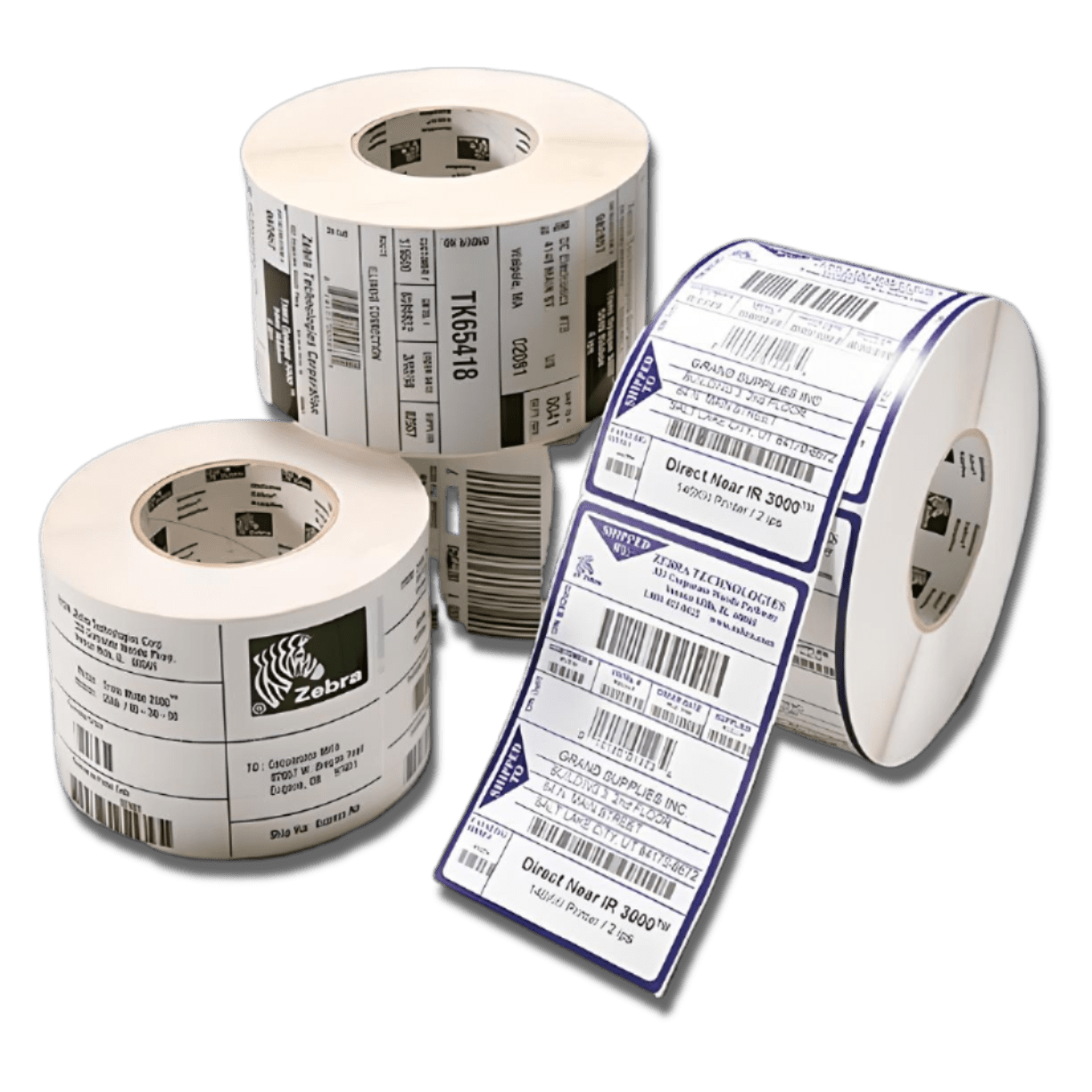
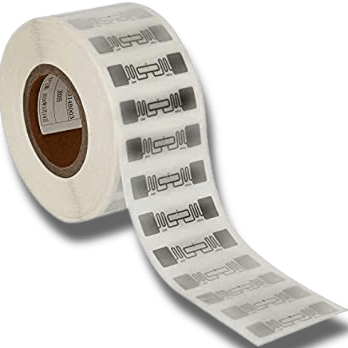
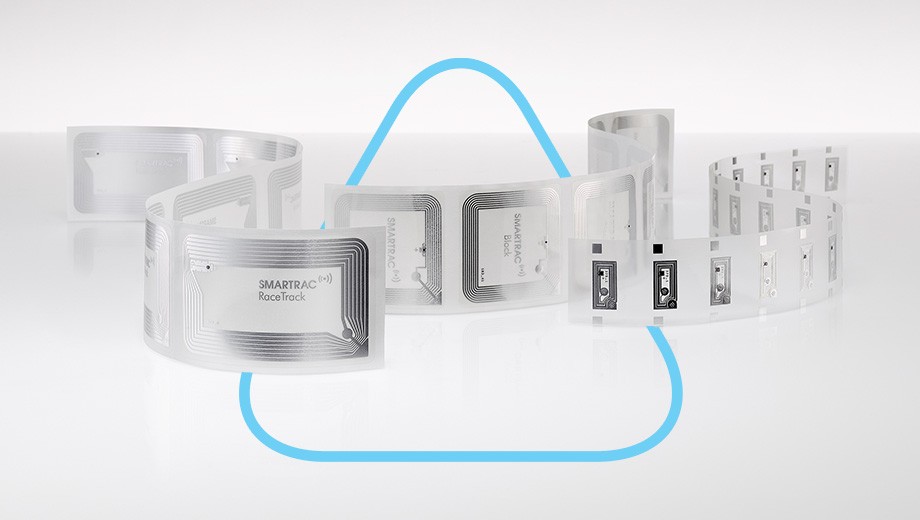
- Smart labels: QR codes, NFC, and RFID integration enable traceability and interactive customer experiences.
- Short-run digital printing: On-demand customization and variable data for personalized products.
- Compliance-ready design: Clear, durable labeling for food, pharma, and export regulations.
6. How to Choose the Right Label Printing Solution

Start with three questions: What surface and environment will the label face? How large is your production run? And what brand impression do you want to create? High-volume plastic containers that need premium durability lean toward in-mold labeling, while flexible, fast, and budget-friendly projects across varied surfaces are a natural fit for pressure-sensitive labels. For many businesses, the smartest answer is a combination — matched to each product line.
Frequently Asked Questions About Label Printing Solutions
Which label printing solution is most cost-effective for small businesses?
For small businesses and short production runs, pressure-sensitive labels are usually the most cost-effective label printing solution. They require lower setup costs, support fast digital printing, and work across a wide range of materials and surfaces.
Are in-mold labels more sustainable than pressure-sensitive labels?
In-mold labels can be more sustainable for plastic containers because the label and container are a single material, which simplifies recycling. Pressure-sensitive labels are also becoming greener thanks to linerless options and recyclable face stocks.
Can labels include QR codes or RFID for traceability?
Yes. Modern label printing solutions can integrate QR codes, NFC, and RFID technology to enable product traceability, anti-counterfeiting, inventory automation, and interactive customer experiences.
Why Work With Navi Label Solutions?
Navi Label Solutions helps businesses choose the right material, printing method, and finish based on real-world application — not just price. From first sample to final delivery, we support your project end to end.
Expert Material Selection
We match the right label material, adhesive, and finish to your product, surface, and environment so labels stay durable and legible.
Production & Print Support
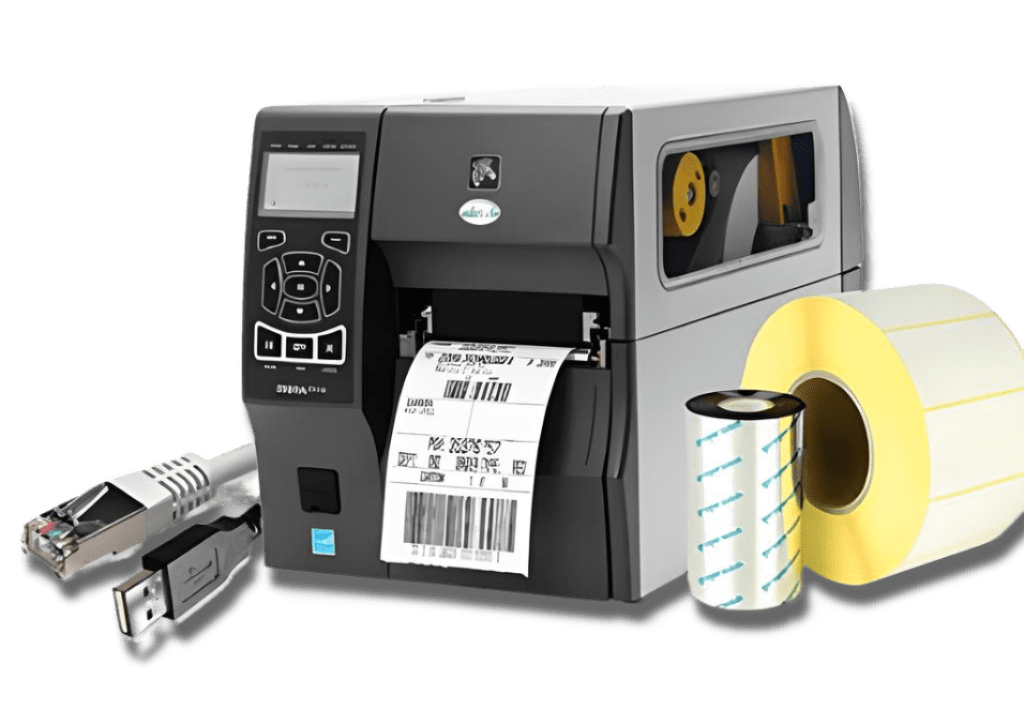
Clear guidance on label size, layout, barcode and QR code setup, and print method helps avoid costly production mistakes.
Reliable Supply for Business
From small custom runs to high-volume orders, we provide consistent quality and dependable supply for retail, wholesale, and B2B needs.
Need Help Choosing the Right Label?
Not sure which label material or printing method is right for your product? Send us your label size, surface type, application environment, and order quantity, and our team at Navi Label Solutions will recommend the best label printing solution for your needs.
- Label size and shape (width x height, or diameter)
- Surface and material the label will be applied to
- Application environment (indoor, freezer, outdoor, humid, etc.)
- Estimated order quantity and any branding requirements