2D Barcode Labels and GS1 Sunrise 2027: A Practical 2026 Guide

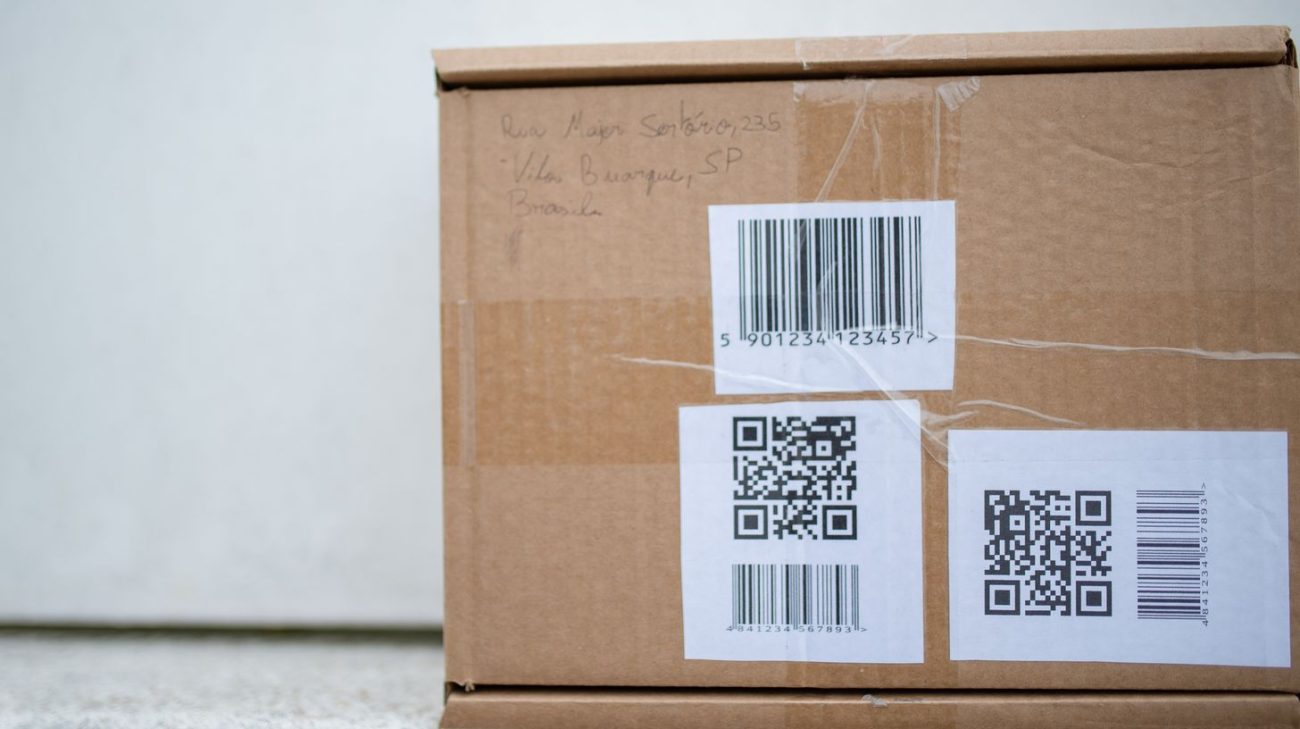
2D barcode labels are moving from pilot projects to mainstream retail packaging, and the timetable is tighter than most brands assume.
GS1 has set an industry milestone known as Sunrise 2027: by the end of December 2027, retail point-of-sale systems are expected to be able to read and process 2D barcodes such as QR codes, not only the linear UPC or EAN symbol printed on packs today.
That single change affects artwork, label stock, print resolution and the way your data is structured. This guide walks through what actually changes on the label, what stays the same, and how to produce 2D barcode labels that scan the first time.
1. Why the Retail Barcode Is Finally Changing
A linear UPC or EAN symbol does one job well: it carries a Global Trade Item Number, or GTIN. Anything else a buyer, auditor or recall team needs – batch number, expiry date, serial number – has to live in a separate system or a second symbol somewhere else on the pack.
That was workable when the checkout only needed a price. It is a poor fit for the questions being asked of packaging now, from allergen detail to origin claims to recall precision.
GS1 describes Sunrise 2027 as a global transition from 1D UPC barcodes to 2D barcodes that carry richer data across the supply chain. You can read the initiative in GS1 US’s own words in their Sunrise 2027 overview.
One point is worth stating plainly, because it causes a lot of confusion: this is a readiness milestone for retailer scanning capability, not a ban on linear barcodes. Nothing forces you to strip the UPC off your pack the moment the date passes, and in most portfolios 2D barcode labels will run alongside the linear symbol for a while.
2. What GS1 Digital Link Actually Does
The standard behind the retail move is GS1 Digital Link. It is a standardised way of encoding GS1 identifiers such as the GTIN, GLN and SSCC together with attributes like batch number, serial number and expiry date, so that the same symbol works offline at a scanner and online in a browser. The standard itself is documented on the GS1 Digital Link page.
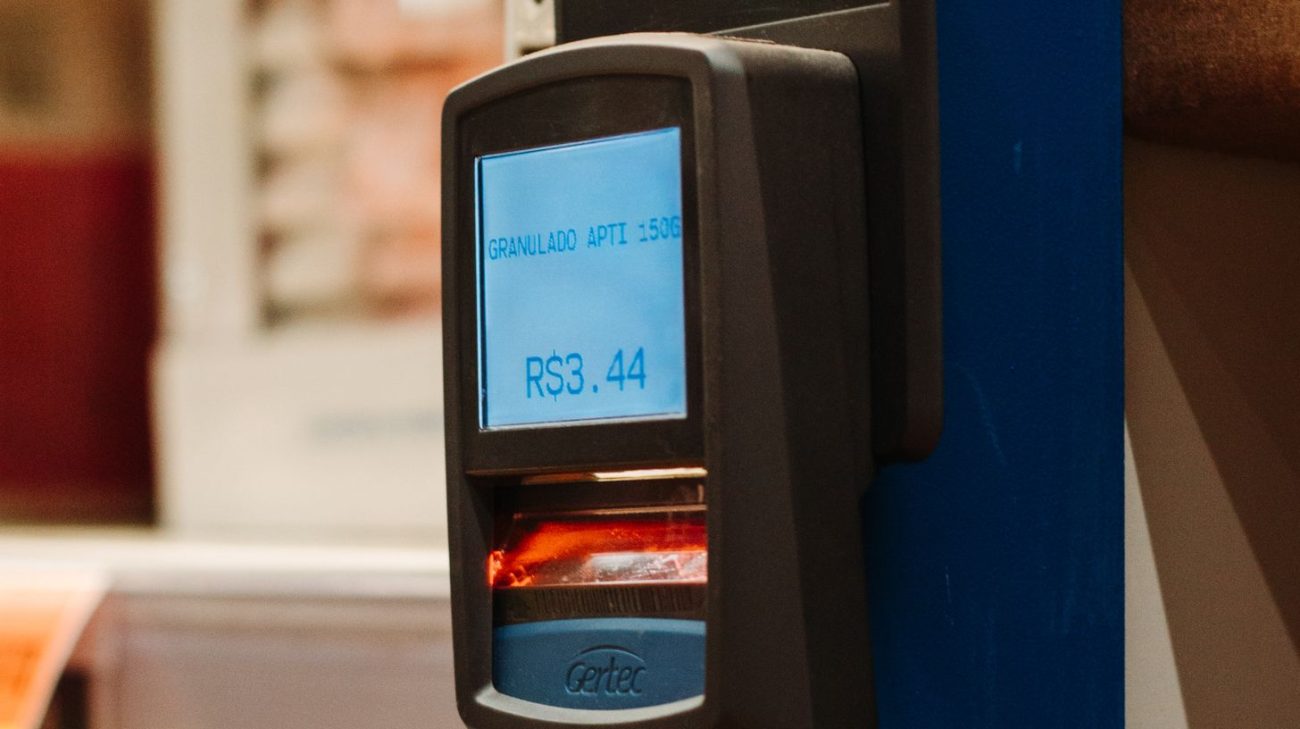
In practice that means one symbol serves two very different audiences. Scanning software at the till extracts the GTIN and passes it to the host system with no internet connection required. A shopper pointing a phone at the same code lands on product information, instructions for use, certifications or traceability data.
The commercially useful part of 2D barcode labels is that the brand owner controls where the identifier resolves to. Destinations can be updated without changing the printed artwork, so a new campaign or an updated usage guide does not trigger a reprint.
Healthcare works differently and it is worth knowing the distinction. GS1 notes that in healthcare applications the Digital Link URI is not encoded in the 2D barcode; identifiers are usually carried in a GS1 DataMatrix and converted into a Digital Link URI by the scanning app or a conformant resolver.

3. Printing 2D Barcode Labels That Scan First Time
Here is where the change stops being a data project and becomes a print job. A 2D symbol packs its data into small modules, so the tolerance for ink spread, printhead wear and low resolution is far narrower than it was with wide linear bars.
Problems we see most often when brands print 2D barcode labels for the first time:
- Module size pushed too small to fit a crowded panel, leaving nothing for the scanner to work with.
- Quiet zone eaten by adjacent artwork or by the die-cut edge.
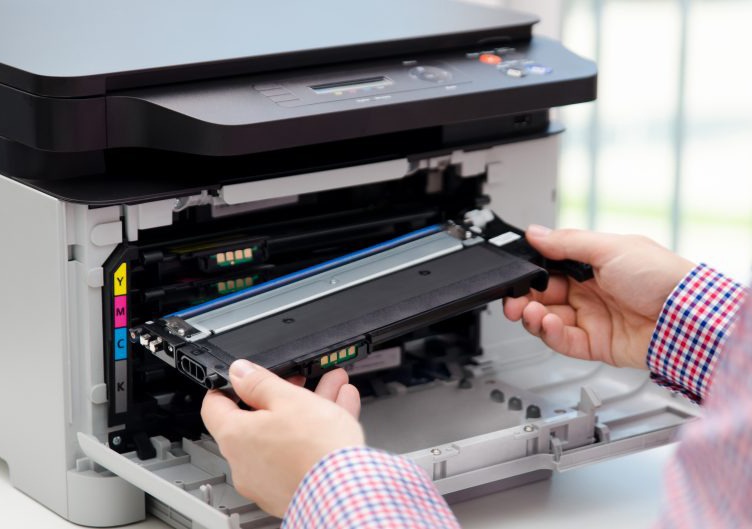
- Worn or partly blocked printhead elements putting fine white lines through the symbol.
- Low contrast combinations, or a code printed over a textured, metallic or highly reflective surface.
- Ribbon and face stock mismatched, so the image looks acceptable on the roll and degrades in handling.
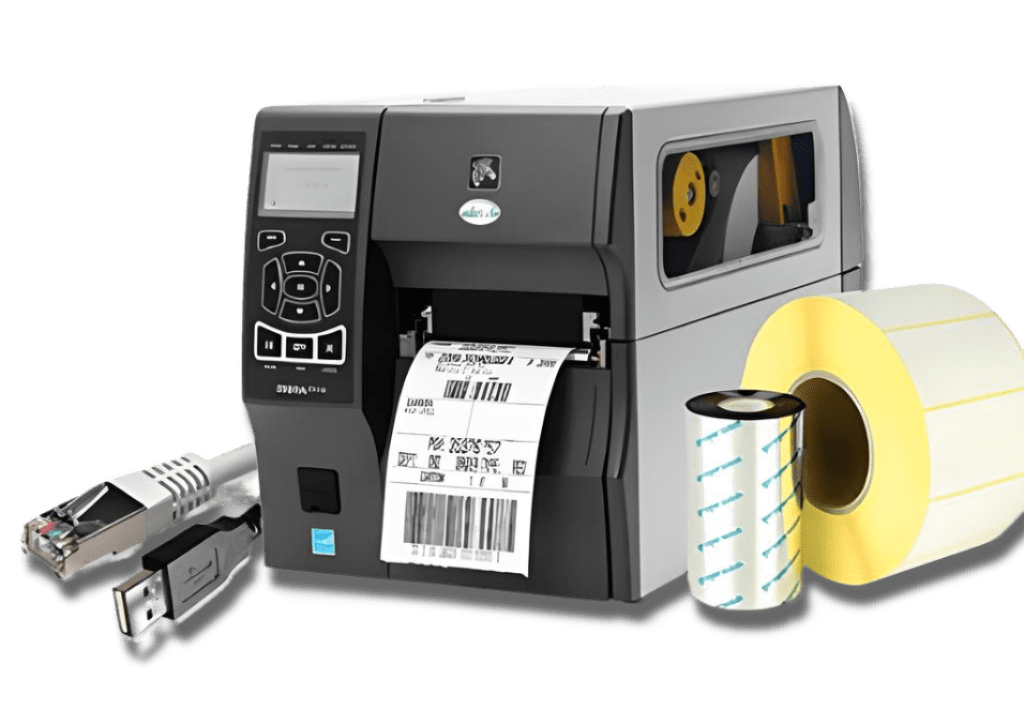
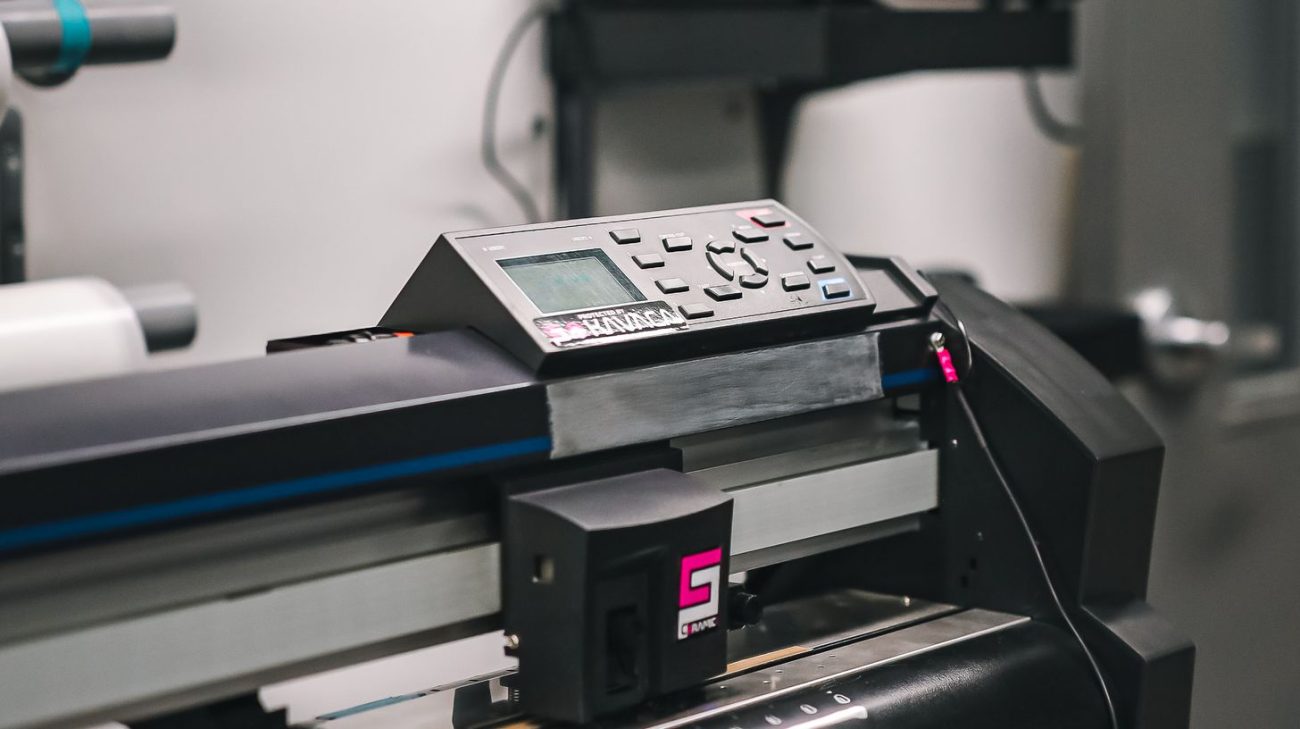
The fixes are unglamorous and effective: print at a resolution suited to the module size, keep the quiet zone clear, match the ribbon grade to the label material, and grade the result with a verifier rather than trusting the eye. Our thermal transfer ribbon range and printers and scanners are selected with that pairing in mind.
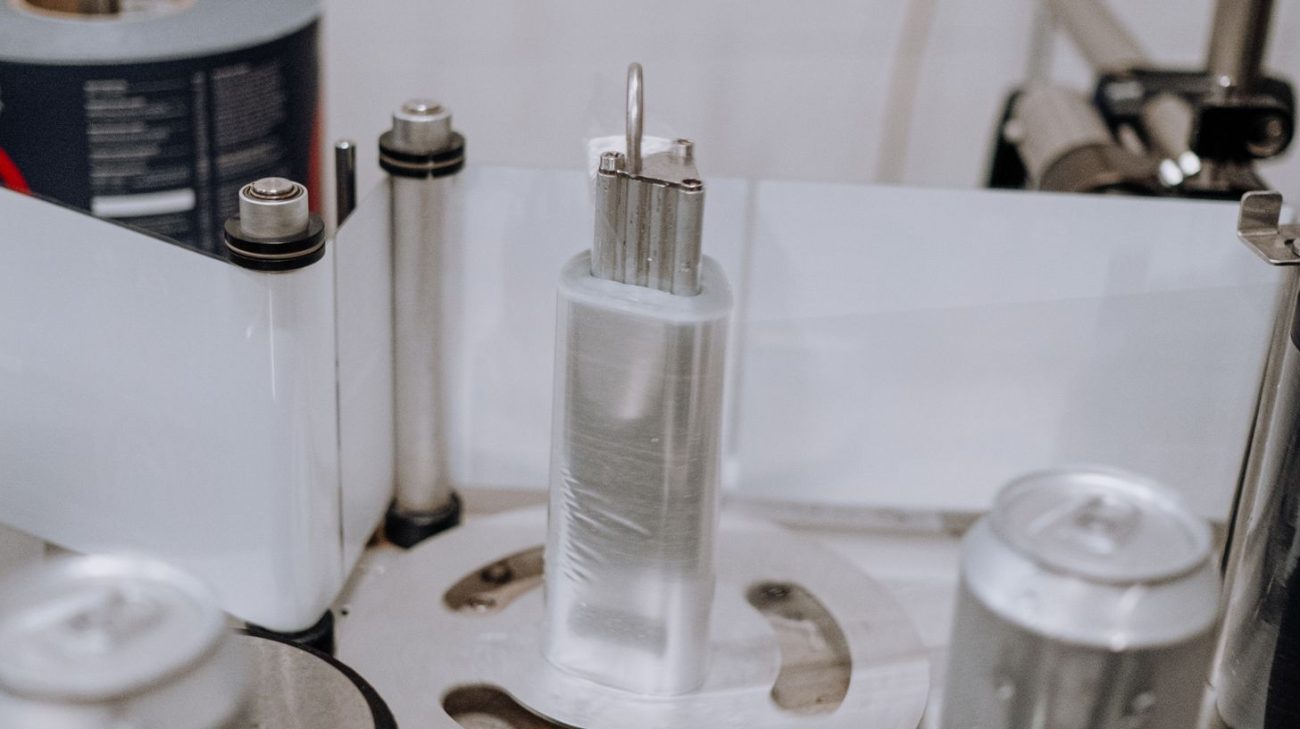
Test on the applied pack, not on a flat proof. A code that grades perfectly on a bench can fail once it is wrapped around a can or squeezed onto a curved bottle shoulder.
4. Linear Codes, QR Codes and GS1 DataMatrix Compared
Choosing a symbol is mostly about who needs to scan it and how much room the pack gives you.
| Symbol | What it carries | Typical use | Space demand | Watch out for |
|---|---|---|---|---|
| EAN / UPC (linear) | GTIN only | Retail point of sale today | Wide, needs bar height | No batch, expiry or serial data |
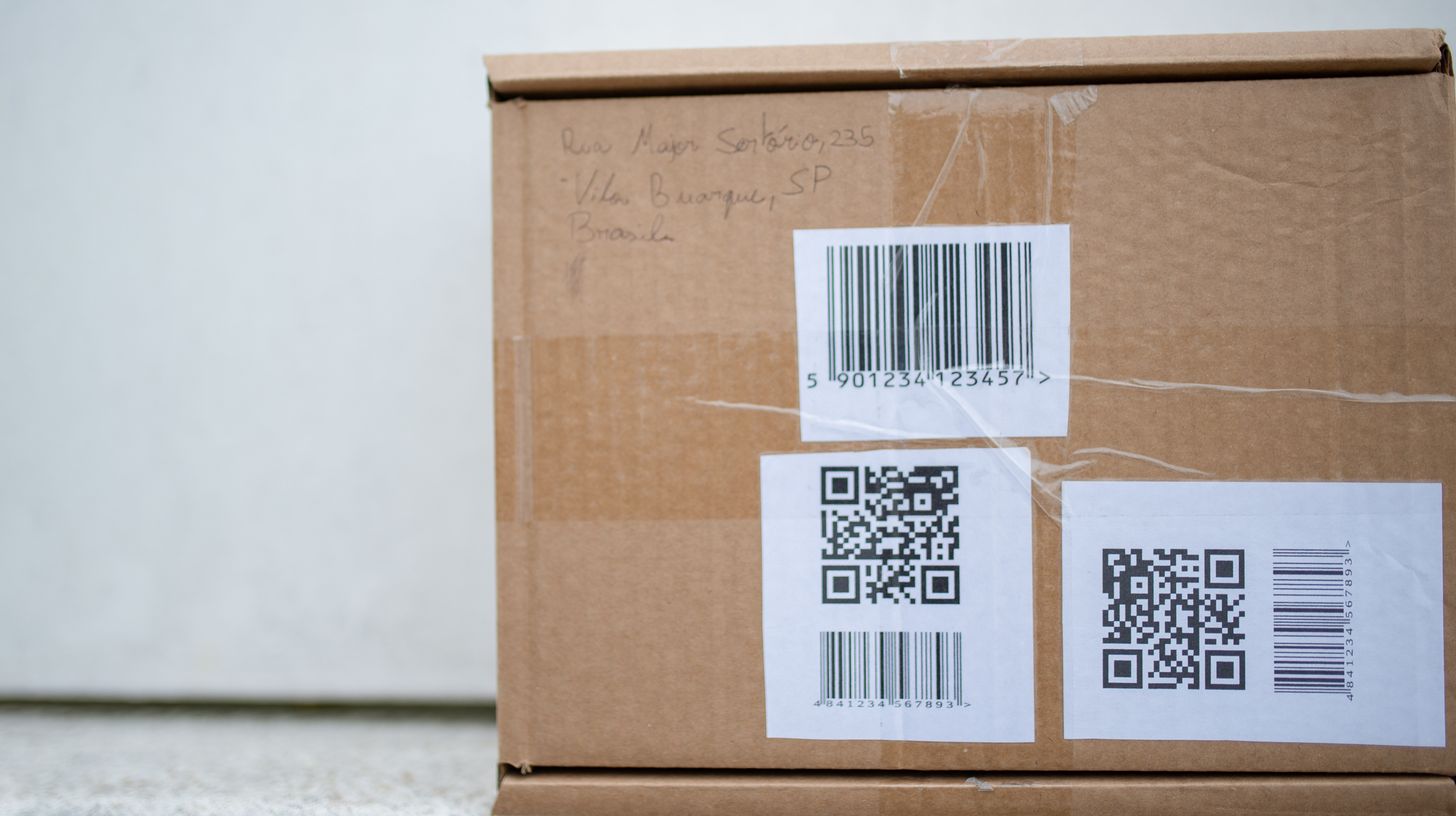
| QR Code powered by GS1 | GTIN plus attributes, resolves to a web address | Retail checkout and consumer scanning | Compact square footprint | Must follow GS1 Digital Link syntax, not a plain marketing QR |
| GS1 DataMatrix | GTIN plus batch, expiry, serial | Healthcare, small items, direct part marking | Smallest footprint of the three | Not intended for consumer phone scanning |
| GS1-128 (linear) | Logistics data such as SSCC | Cartons, pallets, shipping units | Long, often needs its own label | Stays in place for logistics, does not replace the retail symbol |
Most brands land on a dual-marking period: keep the linear code for retailers whose lanes are not ready, and add the 2D code so the richer data is available wherever it can be read. Our colour printed label range carries 2D barcode labels and the linear symbol on one design without a second pass.
5. What Is Driving 2D Adoption in 2026
Three forces are pushing this along faster than a standards deadline alone would.
Shoppers reward scannable packs. A 2025 GS1 US consumer survey reported that 79% of consumers are more likely to buy a product with a scannable QR code that provides additional product information, and 62% said they would spend more on a product offering detailed information.
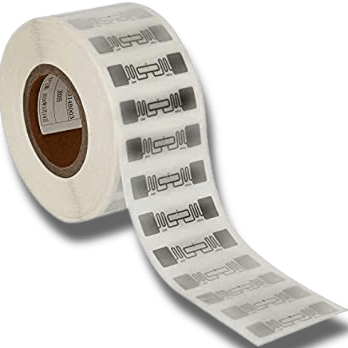
Traceability is getting more precise. When batch and expiry sit inside the symbol on your 2D barcode labels, stock rotation and recall scoping stop depending on paperwork. Warehouses running item-level visibility increasingly pair coded labels with RFID labels and inlays rather than choosing one or the other.
Digital product information is becoming an expectation. Digital product passport programmes and transparency initiatives all point the same way: a scannable code on the pack that leads to verified, current product data rather than a static printed panel.
GS1 US recommends a crawl-walk-run approach rather than a big-bang switch. For brands the crawl step is simply adding 2D barcode labels to existing packaging and making sure any QR code already on pack follows Digital Link rules and includes the GTIN. For retailers it is installing scanners capable of extracting the GTIN from a 2D symbol.

6. How to Plan Your Move to 2D Barcode Labels
You do not need a full programme to start. You need one honest audit and one pilot.
- Audit your symbols. List every SKU, where it sells, and which retailers have said anything about 2D readiness.
- Fix the data first. Confirm your GTIN allocation is correct and that any existing on-pack QR code uses GS1 Digital Link syntax rather than a plain campaign link.
- Reserve the space. Find the panel real estate for the 2D symbol and its quiet zone before the designer locks the layout.
- Decide your dual-marking window. Agree how long both symbols stay on pack and who signs off on removing the linear code.
- Match material to method. Pick face stock, adhesive and ribbon for the surface and the environment, not just for the look of the proof.
- Pilot, verify, then widen. Run one SKU family, grade the codes, scan them on a real lane, and only then roll the change across the portfolio.
If your packs already carry inventory and traceability codes, our guide to barcode and QR code labels covers the design fundamentals that still apply underneath all of this.

Why Work With Navi Label Solutions?
Getting 2D barcode labels right is a printing problem long before it is a marketing one. That is the part we handle.
Codes reviewed before the run
We check module size, quiet zones and placement against your label layout, so a symbol that will not grade never reaches a production roll.
Materials matched to the pack
Colour printed labels, satin and polyester rolls, hang tags and decal stickers chosen for the surface, the application method and the conditions the pack will see.
Equipment, ribbons and support
Printers, scanners, printheads and thermal transfer ribbons, plus installation, user instruction, maintenance and repair so print quality holds over time.
Need Help Getting Your Packs 2D Ready?
Send us your artwork, your SKU list and the surface the label has to stick to. We will tell you what will scan, what needs more space, and which material and ribbon combination gets you there.
Advice on equipment, label design and technical setup for 2D barcode labels is part of how we work, not an extra step.
2D Barcode Label FAQs
Do I have to remove my UPC barcode in 2027?
No. Sunrise 2027 is about retail point-of-sale systems being able to read 2D barcodes by the end of December 2027. Most brands will keep the linear symbol on pack through a dual-marking period and remove it only when their retail partners confirm they no longer need it.
Can I reuse the QR code already printed on my packaging?
Usually not as it stands. Marketing QR codes normally hold a plain campaign URL with no GTIN inside. To count towards a 2D transition the code needs to follow GS1 Digital Link syntax and carry the GTIN, which in most cases means regenerating it.
What print resolution do 2D barcode labels need?
It depends on the module size you choose and the printing method, so there is no single figure worth quoting. The practical rule is to fix the module size first, print a sample on the real material, then grade it with a verifier and adjust resolution or module size until it passes consistently.
QR Code or GS1 DataMatrix – which should I use?
If shoppers are meant to scan it with a phone, a QR Code powered by GS1 is the retail route. GS1 DataMatrix is the usual choice where space is very tight or in healthcare, where GS1 notes the Digital Link URI is not encoded in the symbol itself.
Do 2D barcodes make RFID unnecessary?
They solve different problems. A 2D code needs line of sight and one scan at a time; RFID reads many tags at once without line of sight. Plenty of operations use 2D barcode labels on the consumer pack and RFID at case or item level inside the warehouse.