Date and Lot Coding on Flexible Packaging: What to Print and Why (2026)

Date and lot coding is the smallest print job in the factory and the one most likely to cost you real money. A dozen characters, printed in a fraction of a second, are what stand between a targeted recall of one production run and a blanket withdrawal of everything you shipped that month.
Most date and lot coding problems are not printing problems. They are decisions nobody wrote down: which fields go on the pack, what format the date uses, where on the artwork the code lands, and who checks it at the start of a shift.
This guide works through those decisions in order, using the GS1 data structures your trading partners already expect.

1. What Date and Lot Coding Has to Achieve
Date and lot coding serves three audiences at once, and they want different things from it.
- The person holding the pack needs a date they can read and cannot misinterpret, in a place they can find without turning the pack over three times.
- Your own operation needs to tie a finished pack back to a shift, a line, a batch of raw material and a set of process records.
- Your trading partners’ systems need machine-readable data in a structure they already parse, which in practice means GS1 element strings.
Miss the third audience and you get manual data entry at goods-in. Miss the second and a recall becomes an exercise in guesswork. Miss the first and you get complaints and returns from people who read 03/04 as April.
2. Date and Lot Coding Data: What to Print, in Which Language
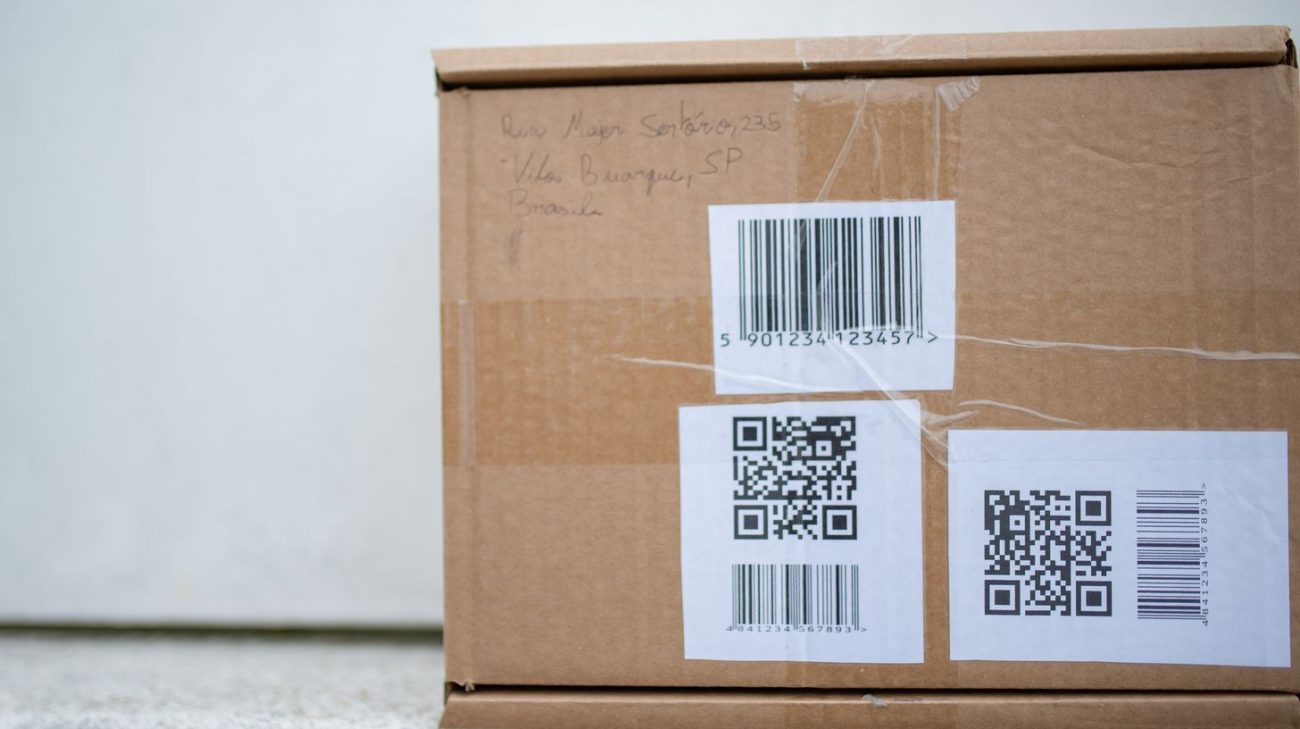
Two things go on the pack, and they are not the same thing. Human-readable text is for people. A barcode or 2D symbol carries the same facts in a form a scanner can parse without error.
The machine-readable side is standardised. GS1 Application Identifiers are short numeric prefixes that tell a scanner what the following data means, and the ones that matter for coding are a short list. You can look every one of them up in the GS1 Application Identifiers reference.
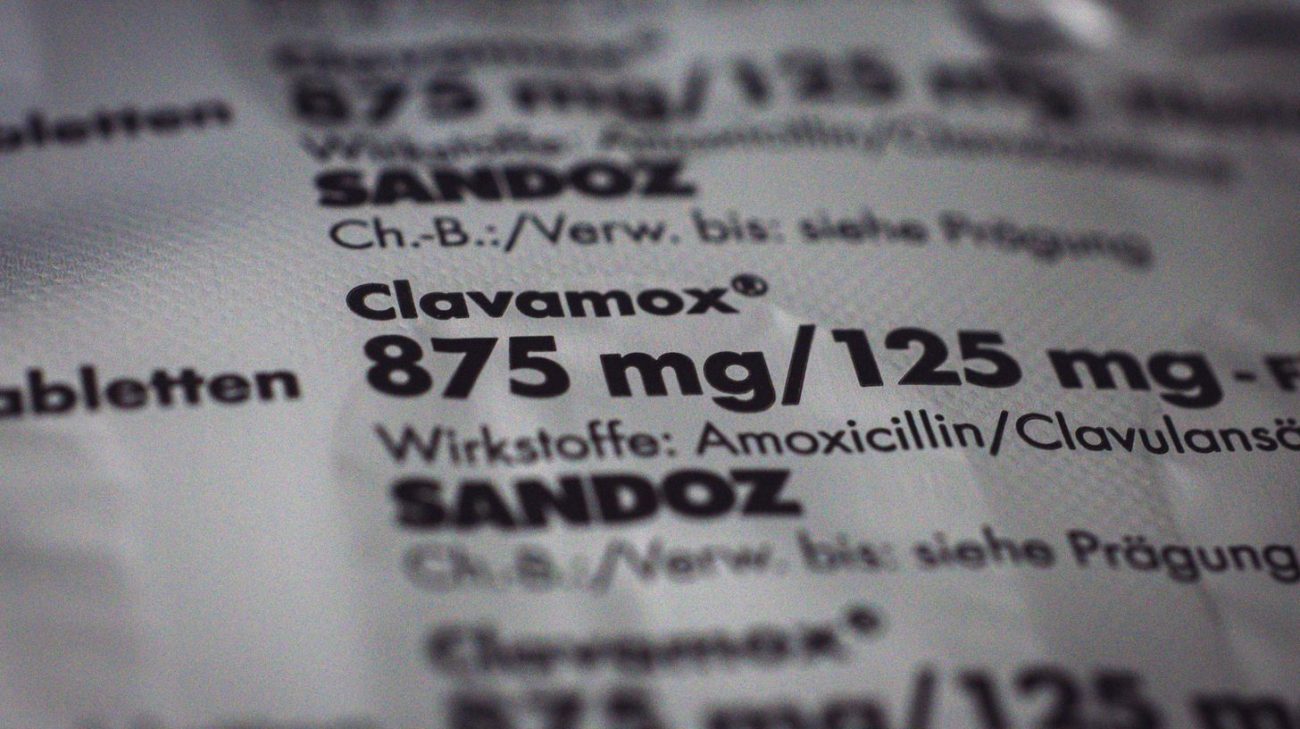
Deciding which of them you actually need is a business question, not a printing question. A dry-goods snack may only need a best-before date and a lot number. A prescription medicine may need a GTIN, a batch, an expiry and a unique serial number in a single 2D symbol.
3. Formatting Dates So Nobody Misreads Them
Inside a GS1 barcode the format is settled for you: dates are carried as six digits in YYMMDD order. There is no ambiguity because the Application Identifier declares what the number means before the digits arrive.
The human-readable line is where things go wrong. An all-numeric date like 03/04/26 is read as March by some of your customers and April by others, and no amount of print quality fixes that. Two habits remove the problem almost entirely.
- Use an alphabetic month where space allows, or an unambiguous order that you use consistently across every product.
- Label the date. A bare number invites interpretation; a prefix such as BEST BEFORE or a use-by wording tells the reader what kind of date it is.
- Keep one house standard. Different formats on different lines is how a warehouse ends up rotating stock incorrectly.
Date and lot coding wording and requirements differ between markets and product categories, so confirm the rules that apply where you sell rather than copying a competitor’s pack. If your pack also carries a GS1 barcode, check the relevant application rules in the GS1 General Specifications before you finalise the layout.

4. Date and Lot Coding Fields and Where They Belong
The table below pairs the fields most factories print with the GS1 Application Identifier that carries them, so the artwork brief and the barcode data come from the same source rather than from two different meetings.
| Field | GS1 AI | Data format | Typical placement |
|---|---|---|---|
| Batch or lot number | (10) | Up to 20 alphanumeric characters | Alongside the date, on the back or the seal area |
| Production date | (11) | Six digits, YYMMDD | Back of pack, often with the lot |
| Packaging date | (13) | Six digits, YYMMDD | Back of pack, where shelf life is counted from packing |
| Expiration or use-by date | (17) | Six digits, YYMMDD | Wherever a shopper will actually look for it |
| GTIN | (01) | 14 digits | Inside the barcode rather than as loose text |
| Serial number | (21) | Up to 20 alphanumeric characters | Pharmaceutical and high-value goods requiring unit-level identity |
Placement then decides whether any of it survives. Aim the code at a plain, light area of the artwork with no graphics behind it, because contrast is what a scanner measures. Keep it clear of the seal jaws, gussets and folds, since a code printed across a crease will crack. If the code includes a barcode, leave the quiet zone intact rather than tucking the symbol tight against a design element.

5. Date and Lot Coding Trends in 2026
Date and lot coding is moving towards fewer marks carrying more information, and towards checking the mark automatically instead of hoping.
One symbol instead of three marks
Data-rich two-dimensional codes can carry a GTIN, a batch and an expiry in a single symbol that a shopper’s phone and a warehouse scanner both understand. That is the direction GS1 is steering retail, and it changes coding from a text job into a barcode job with a quality target attached.
Serialisation is spreading beyond pharmaceuticals
Unit-level identity started as a medicines requirement and is drifting into cosmetics, spirits, spare parts and anything with a counterfeit problem. Once every pack carries a different number, no two prints are identical and sampling logic has to change.
Codes are being checked by machines, not eyes
Vision systems immediately downstream of the coder can confirm a code was printed, read it back and reject the pack if it is missing or unreadable. That moves date and lot coding from a hope to a controlled process.
Shelf life is becoming dynamic
Fresh categories are experimenting with dates that reflect actual handling rather than a fixed rule. Whatever the model, the code still has to be printed correctly at the moment of packing, which is why faded and smudged code faults deserve as much attention as the data model behind them.
6. Building a Date and Lot Coding Spec Your Line Can Repeat
A specification that fits on one page beats an excellent one nobody can find. Six entries are enough.
- Fields. Exactly which data goes on the pack, and the Application Identifier for each field that appears in a barcode.
- Format. The human-readable date layout and wording, written out as an example rather than described.
- Position. Where on the artwork the code prints, and what must not be behind it.
- Print settings. Ribbon grade, darkness, speed and mode, recorded per product and film.
- Verification. Who checks the first pack, at what interval, and how a barcode is measured rather than test-scanned.
- Failure route. What happens to product coded during an undetected fault, decided before it happens.
The consumable belongs in that spec too, because the same data printed with the wrong grade will not survive the journey — our guide to TTO ribbons for packaging coding explains how the grades differ. We stock Black TTO Ribbons for overprinting directly onto film and coding ribbons for label-based marking. For sector-specific detail, see our guides to food and beverage label printing and pharmaceutical and healthcare labeling.

Why Work With Navi Label Solutions?
Need Help Getting Your Codes Right?
Send us a photo of a current pack, the film specification and the fields you need to print. Most layout and legibility problems are visible from that alone.
We will come back with a ribbon grade, a placement suggestion and the checks worth running at the start of each shift so the same fault does not reach a customer twice.

Frequently Asked Questions
Do I need a barcode, or is printed text enough?
Text alone works until someone else has to key it in. If a distributor, retailer or your own warehouse scans goods inwards, a machine-readable symbol removes an entire class of transcription error.
Which GS1 identifier is the batch number?
AI (10) carries a batch or lot number of up to twenty alphanumeric characters. Production date is AI (11), packaging date is AI (13) and expiry is AI (17), each as six digits in YYMMDD order.
Can the expiry date and the batch go in one barcode?
Yes. That is precisely what Application Identifiers are for — several element strings can sit in one symbol, which is why 2D formats have become attractive for coding.
Why do our codes look fine at the coder but poor at the warehouse?
Usually contrast or abrasion. Either the code was printed over artwork that reduced contrast, or the grade was not tough enough for the handling between your line and their scanner.
How often should we check date and lot coding during a run?
First pack after every changeover and every ribbon change without exception, then at a fixed interval through the run. Record the check, because an undated check is indistinguishable from no check.