Thermal Transfer vs. Direct Thermal Label Printing: Which Is Right for You in 2026?

Thermal label printing comes in two main forms, and picking the right one matters. Choosing between thermal transfer and direct thermal printing is one of the most important print-quality decisions when setting up a label printing workflow. Both thermal label printing methods are fast and reliable, but they suit very different products, durability needs, and budgets.
At Navi Label Solutions, when comparing thermal label printing options, we help businesses pick the printing method that keeps labels readable for as long as the product needs — whether that is a few weeks on a shipping carton or several years on an asset tag.
1. How Thermal Label Printing Works
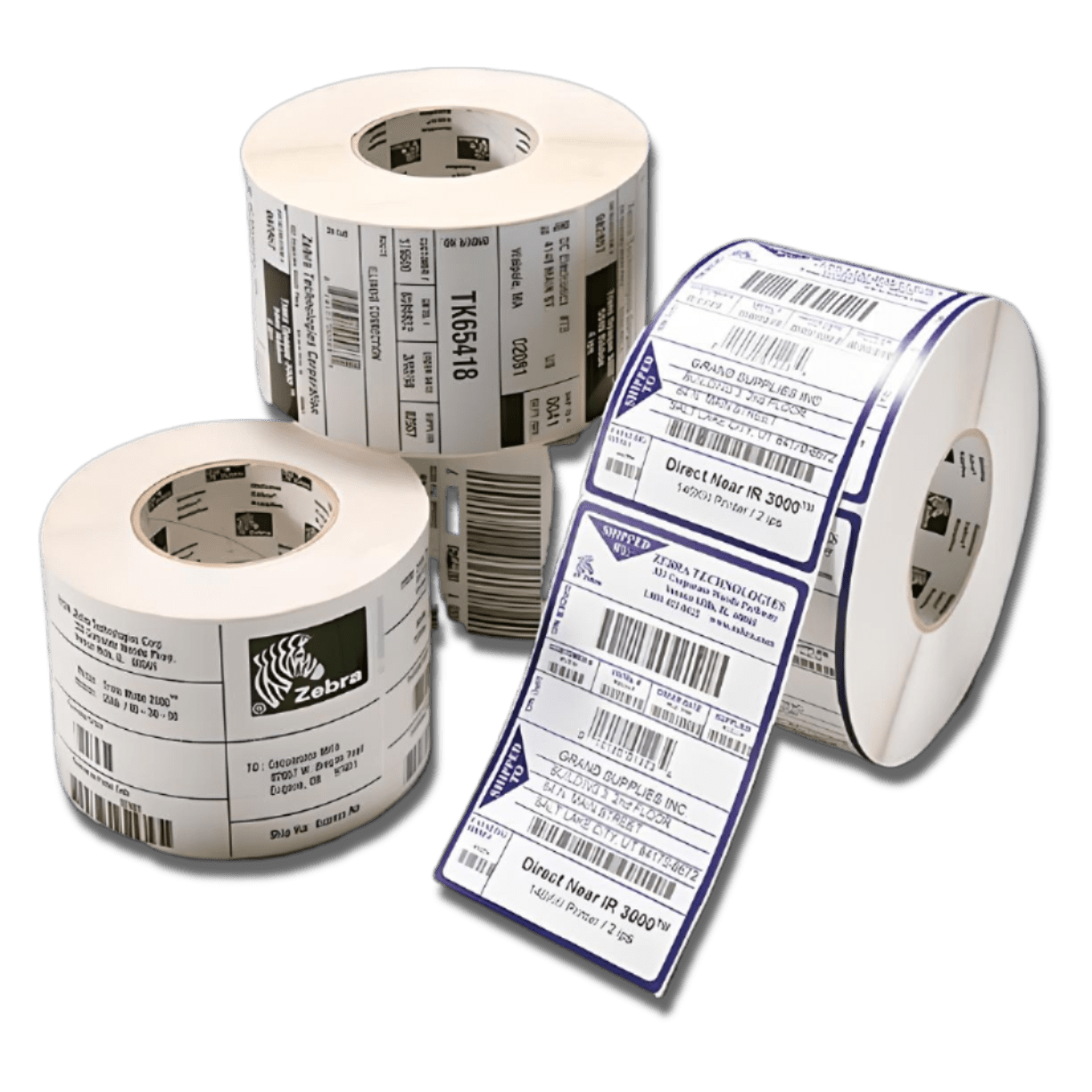
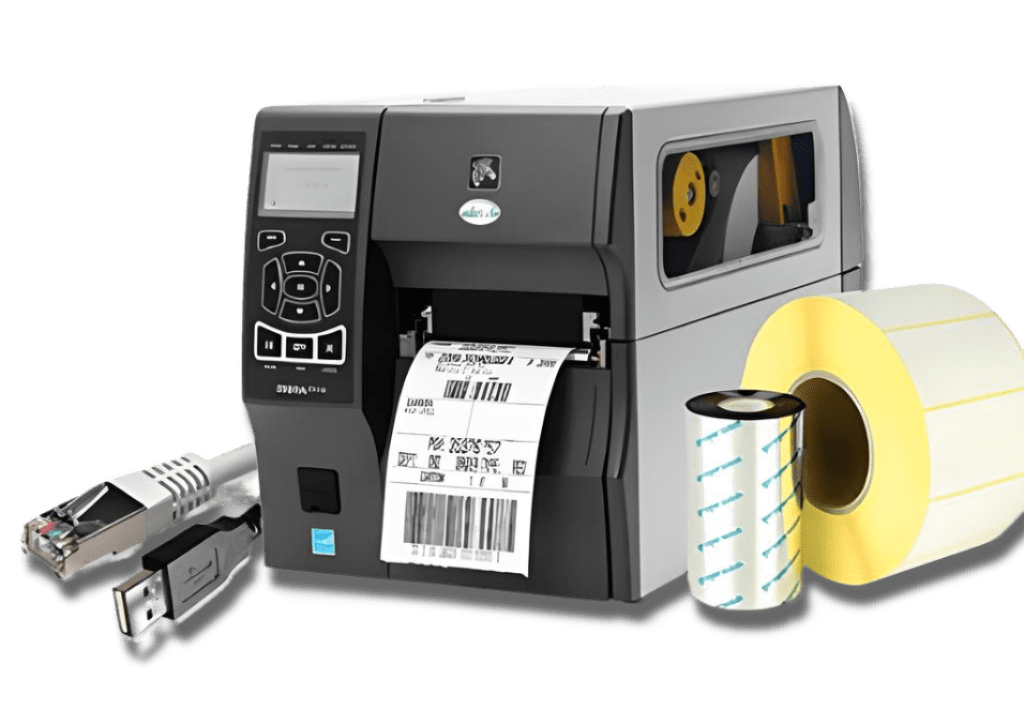
Both technologies use a heated printhead, but they create the image in different ways. Direct thermal printing applies heat directly to heat-sensitive label material, turning selected areas black. Thermal transfer printing melts ink from a ribbon onto the label, producing a more permanent mark.
The key practical difference is longevity: direct thermal images fade with heat, light, and friction over time, while thermal transfer prints resist fading, moisture, and abrasion.
2. Direct Thermal: Fast and Economical
Direct thermal is ideal when labels only need to last a short time and no ribbon cost is desired.
- No ribbon required: Lower consumable cost and simpler operation.
- Best for short-life labels: Shipping labels, receipts, visitor badges, and food date labels.
- Compact and clean: Fewer parts to manage and replace.
- Limitation: Images fade with heat, sunlight, and handling.
3. Thermal Transfer: Durable and Versatile
Thermal transfer is the right choice when labels must survive long-term storage, harsh environments, or scanning over months and years.
- Long-lasting prints: Resistant to fading, moisture, and abrasion.
- Material flexibility: Works on paper, film, polyester, and synthetic stocks.
- Ribbon options: Wax, wax-resin, and resin match different durability needs.
- Best for: Asset tags, product labels, chemical drums, and cold-chain logistics.
4. Thermal Transfer vs. Direct Thermal: Quick Comparison
| Factor | Direct Thermal | Thermal Transfer |
|---|---|---|
| Ribbon needed | No | Yes |
| Print durability | Short-term | Long-term |
| Resistance to heat/light | Low | High |
| Material range | Limited | Wide |
| Best for | Shipping, receipts | Assets, products, cold chain |
| Consumable cost | Lower | Slightly higher |
5. 5. Where Thermal Label Printing Is Headed in 2026
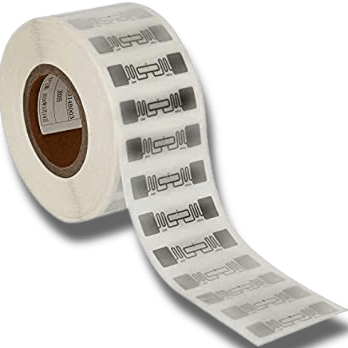
Businesses are increasingly mixing both methods across product lines, using direct thermal for fast-moving logistics labels and thermal transfer for durable product and compliance labels. Linerless materials, higher-resolution printheads, and smart-label integration (QR and RFID) are shaping label printing in 2026.
6. Making the Right Thermal Label Printing Call
It really comes down to one question: how long must the label stay readable? For labels used within days or weeks, direct thermal is fast and economical. For labels that face heat, sunlight, moisture, or long storage, thermal transfer protects readability and your brand. Many businesses run both — matched to each application.
Why Work With Navi Label Solutions?
Picking a print method is easier with a partner who has set up hundreds of label workflows. We look at how your labels will actually be used — not just the upfront cost — and stay with you from first sample to final delivery.
Method Matched to Lifespan
We recommend direct thermal or thermal transfer based on how long your labels must stay readable, not on a one-size-fits-all default.
Ribbon & Media Pairing
Wax, wax-resin, or resin ribbons matched to the right face stock so prints resist fading, smudging, and abrasion.
Printer-Ready Setup
Help with darkness, speed, and size settings so your existing thermal printers produce crisp, scannable output.
Not Sure Which Method to Use?
Still weighing direct thermal against thermal transfer? Tell us how your labels will be used and what printer you run, and we’ll recommend the method, ribbon, and media that keep your prints sharp for as long as you need.
- How long the label must stay readable
- The environment (heat, sunlight, moisture, friction)
- Your printer model and whether it runs ribbons
- Label size and volume per run
Thermal Printing FAQs
Is thermal transfer better than direct thermal?
Neither is universally better. Thermal transfer produces longer-lasting, more durable prints, while direct thermal is cheaper and simpler for short-life labels. The right choice depends on how long the label must remain readable and the environment it faces.
Do direct thermal labels fade?
Yes. Direct thermal images gradually fade when exposed to heat, sunlight, and friction, which is why they are best for short-term uses such as shipping and receipts.
Can one printer do both methods?
Many industrial label printers support both direct thermal and thermal transfer, letting you switch by enabling or removing the ribbon depending on the job.