Food and Beverage Label Printing: Safety, Compliance and Shelf Appeal (2026)

Food and beverage labels do three demanding jobs at once: they must comply with strict regulations, survive fridges, freezers, and condensation, and still tempt a shopper to buy. A food and beverage label has to balance safety, compliance, and shelf appeal.
At Navi Label Solutions, we help food and drink brands meet labeling rules while creating packaging that stands out and holds up — from chilled bottles to pantry cans.
1. The Three Jobs of a Food Label
Unlike many products, food and drink labels carry heavy legal obligations alongside marketing. They must display accurate nutrition, allergens, and dates; resist moisture and temperature swings; and communicate brand and flavor at a glance.
Failing any one of these jobs — a missing allergen, a peeling label, or a dull design — can cost sales or trigger compliance issues.
2. Compliance Essentials
Food labeling rules are among the strictest in any category.
- Nutrition information: Accurate, in the required format.
- Allergen declarations: Clear and often emphasized.
- Dates and storage: Best-before, use-by, and conditions.
- Ingredients and origin: Full list and country of origin.
3. Materials That Survive the Cold Chain
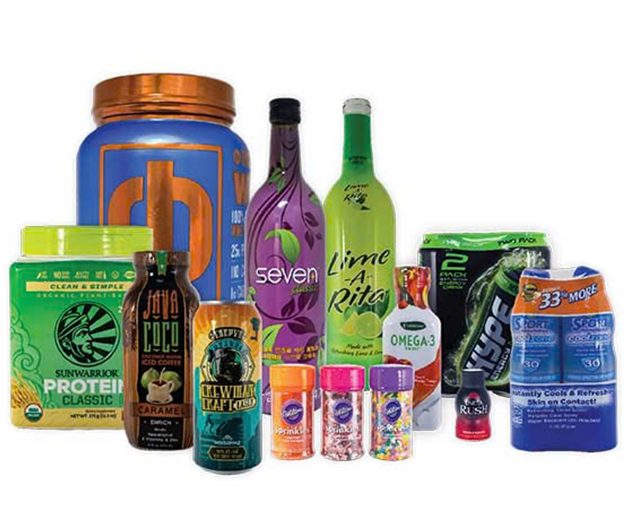
Food labels face moisture from refrigeration, ice baths, and condensation.
- Waterproof films: PP and PE resist moisture and humidity.
- Freezer adhesives: Hold on cold, damp surfaces.
- Wash-resistant inks: Survive ice buckets and handling.
- Clear “no-label” film: A clean look for premium drinks.
4. Food Label Needs by Product
| Product | Key Material | Compliance Focus |
|---|---|---|
| Chilled drinks | Waterproof film | Nutrition, dates |
| Frozen foods | Film + freezer adhesive | Storage, allergens |
| Canned goods | Paper or film | Origin, ingredients |
| Jars / sauces | Waterproof film | Allergens, best-before |
| Premium beverages | Clear / textured film | Branding + compliance |
5. Food Labeling Trends in 2026
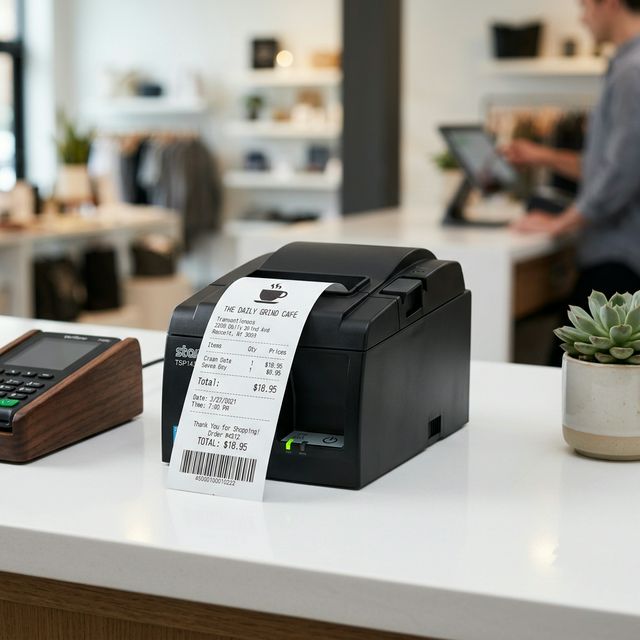
In 2026, food and beverage labels are evolving fast: brands are adding QR codes for sourcing, recipes, and recycling guidance, adopting more sustainable and recyclable materials, and responding to tightening transparency rules around ingredients and allergens. Smart and tamper-evident labels are also rising for food safety and consumer trust.
6. Getting Food and Beverage Labels Right
Start with the compliance must-haves for your market, then choose a moisture-resistant material and adhesive matched to how the product is stored. Finish with design that earns attention on the shelf. Where information is tight or you want to engage customers, a QR code adds digital depth without crowding the pack.
Compliance Confidence
We help ensure nutrition, allergen, date, and origin information meets the rules for your market and product.
Cold-Chain Durability
Moisture-resistant films and freezer-grade adhesives so labels survive fridges, freezers, and ice baths.
Shelf-Ready Design
Eye-catching, on-brand labels — including clear and textured films — that still meet every requirement.
Need Food or Drink Labels?
Launching a food or beverage product? Tell us how it’s stored, the compliance rules you face, and the look you want, and we’ll recommend labels that stay compliant, durable, and appealing.
- How the product is stored (chilled, frozen, ambient)
- Compliance requirements for your market
- Container type (bottle, can, jar, pouch)
- The look you want on the shelf
Food & Beverage Label FAQs
What must be on a food label?
Most markets require nutrition information, a full ingredient list, allergen declarations, net quantity, dates, storage conditions, and origin. Exact rules vary by country, so check the requirements for where you sell.
What labels work best for chilled and frozen products?
Waterproof synthetic films with freezer-grade adhesive perform best, since they resist condensation and stay stuck on cold, damp surfaces where paper labels fail.
Why are brands adding QR codes to food labels?
QR codes let brands share sourcing, recipes, recycling instructions, and detailed nutrition without crowding the pack, while also supporting traceability and consumer engagement.