TTO Ribbons Explained: Coding Flexible Packaging on the Line (2026)

TTO ribbons are the consumable nobody thinks about until a packaging line stops. The date code on a pouch is three centimetres of black text, it costs almost nothing per pack, and yet an unreadable one can hold an entire pallet at the warehouse door.
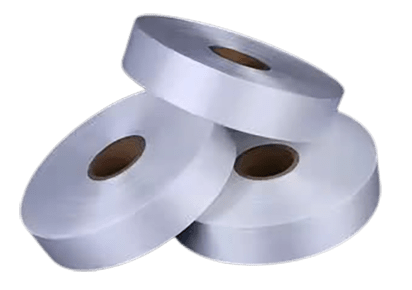
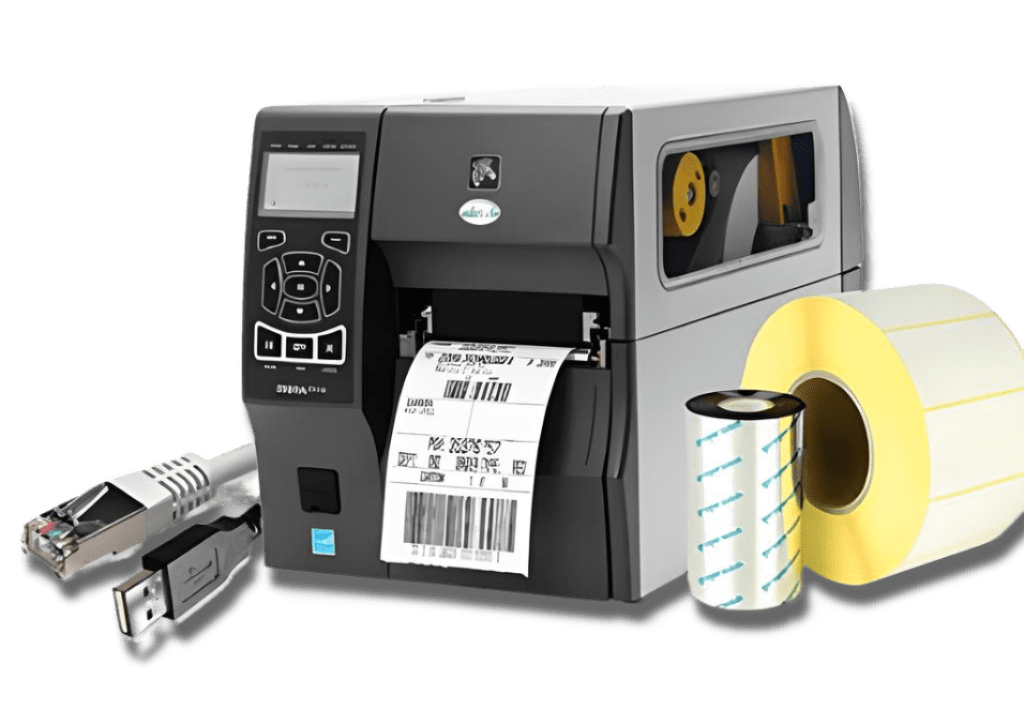
The confusion usually starts with the name. A thermal transfer ribbon for a desktop label printer and a ribbon for a thermal transfer overprinter both work by melting ink with heat, and there the similarity ends. They are different widths, different cores, different ink formulations and different machines.
This guide covers what TTO ribbons actually are, what happens inside the overprinter, how the two print modes differ, which grade to run, and the six pieces of information you need before ordering.
1. What TTO Ribbons Are, and Why Film Needs Them
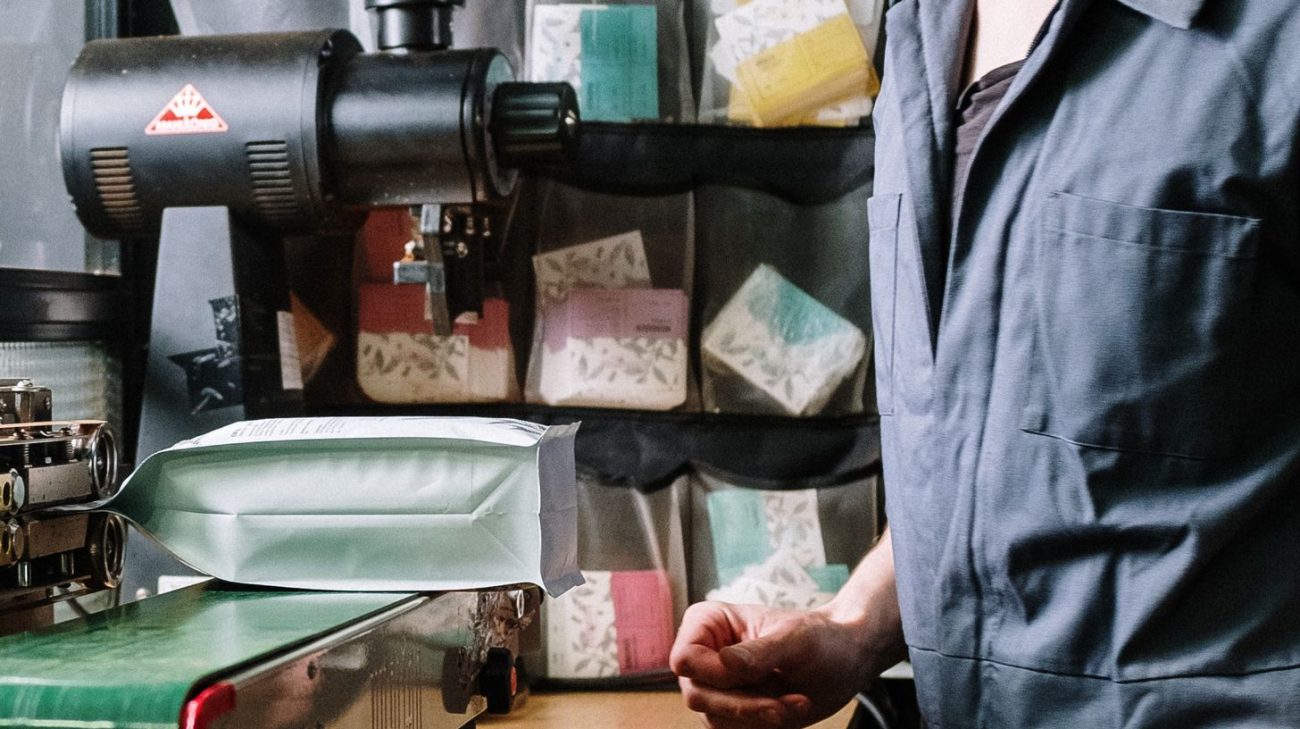
TTO stands for thermal transfer overprinting. Instead of printing a label and applying it, the overprinter sits on the packaging machine and prints straight onto the flexible film while the film is still flat, before the pack is filled and sealed.
That single difference dictates everything about the consumable. TTO ribbons are formulated to anchor ink onto polymer surfaces rather than onto coated paper, and they run in dedicated overprinters from brands such as Videojet, Markem-Imaje, Linx, Domino and Matthews rather than in a barcode label printer.
The films involved are the ones you already handle every day: PE, PP, BOPP, OPP, PET, laminated structures and foil. Each behaves differently under heat, which is why the same ribbon can look perfect on one wrapper and greasy on the next.
- They are not interchangeable with label ribbons. Width, core size and ink chemistry are all specific to overprinting equipment.
- The pack is coded before it is filled. Marking flat film is far easier than marking a bulging, sealed pouch.
- The code is variable. Dates, batch numbers and serial data change constantly, which rules out preprinted packaging.
2. Inside the Overprinter: How TTO Ribbons Transfer Ink
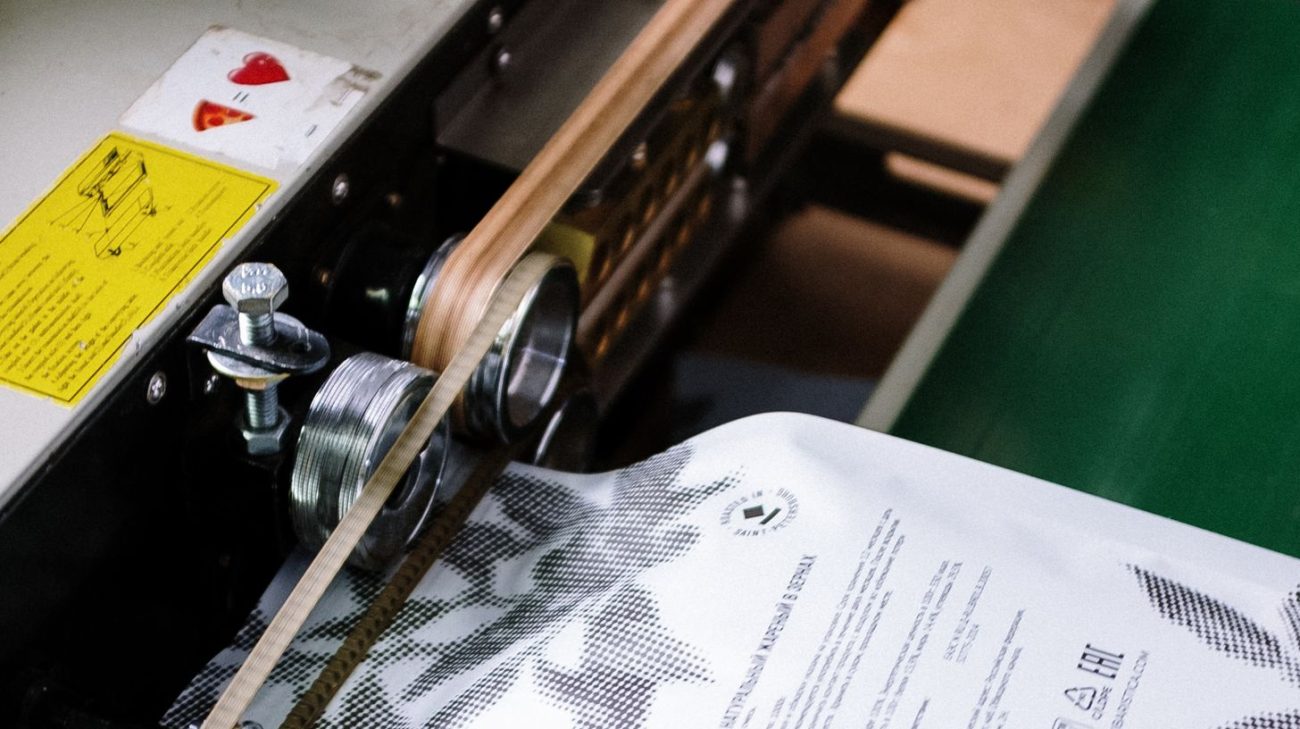
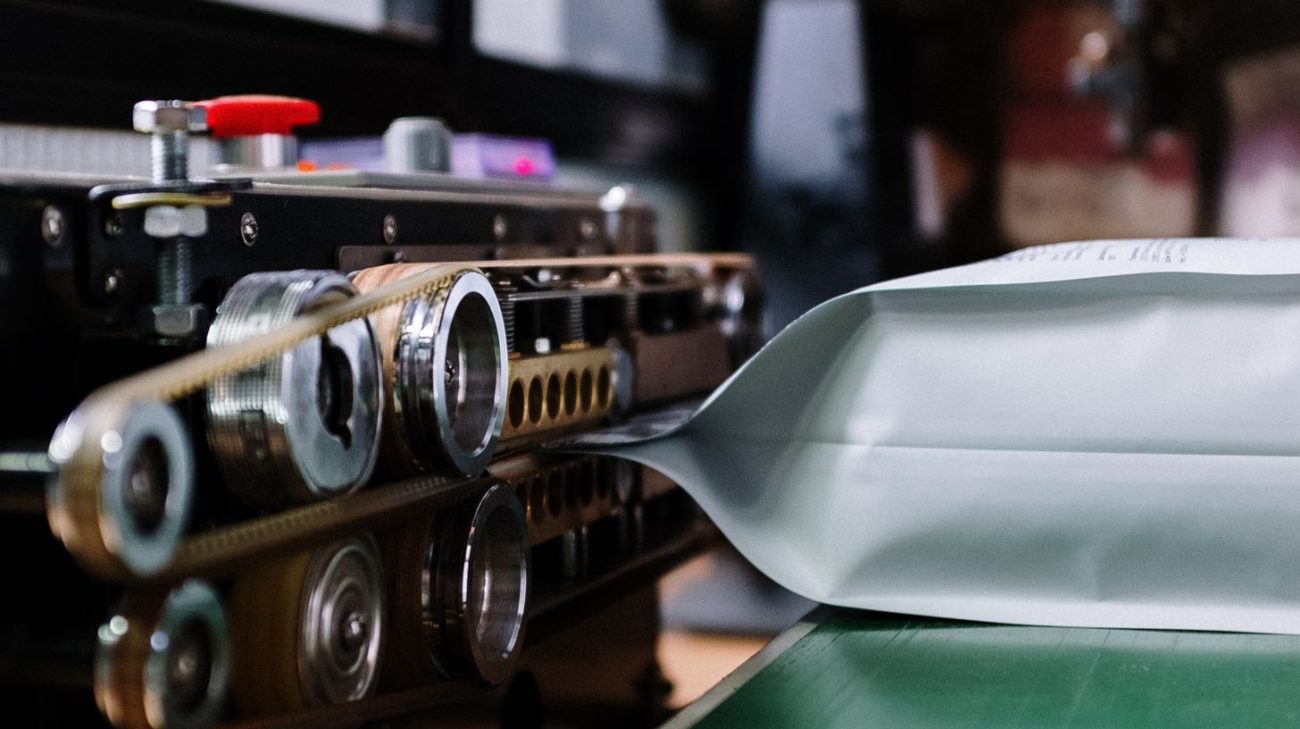
An overprinter has three working parts: the printhead, the inked ribbon, and either a roller or a flat platen behind the film. When the machine signals a print, the printhead descends and presses the ribbon and the film together against that backing surface.
Only the heating elements that form the code are energised. They melt the ink coating and transfer it onto the film. Those elements sit inside a ceramic unit that protects them while conducting heat, and the ceramic’s ability to survive repeated heat cycles and abrasion is a real factor in how long a printhead lasts and how fast it can code. Markem-Imaje sets this out clearly in its guidance on coding flexible film.
Resolution sits around 300 dpi, which is why an overprinter is not limited to dates. At that resolution it can lay down barcodes, 2D symbols and logos on the same pass — which raises a separate question: which fields your date and lot code should actually carry. There is effectively no warm-up either — these machines are ready within about a minute of being switched on — and unlike a mechanical hot-stamp there is no broken die waiting to perforate your film.
3. Continuous or Intermittent: Two Ways to Code a Moving Web
Overprinters run TTO ribbons in one of two motions, and the mode you run changes both the print area you can design and how much ribbon you consume.
Intermittent mode
The film stops, the printhead prints against a flat platen, then the film indexes forward. It suits machines that already pause between packs, and it typically gives a smaller usable print area.
Continuous mode
The film never stops. The printhead prints against a roller while the web moves underneath it, which suits high-speed horizontal wrappers and generally allows a longer print area than intermittent printing.
Most current machines can do both and switch between them, and several add dedicated ribbon-saving modes to cut consumption per print — Domino, for example, documents multiple saving modes on its Vx-Series overprinters. Knowing which mode your line runs matters when you calculate how many metres a roll will really give you.
4. TTO Ribbons: Grades Compared Side by Side
Grade is where most of the cost and most of the failures live. There is no universally best option — you are trading coding speed against how much abuse the finished code has to survive.
| Grade | Typical use | Strength | Trade-off |
|---|---|---|---|
| Standard wax-resin | Everyday food and beverage film running at normal line speeds | Strong contrast and good speed at the lowest cost per print | Less resistant to oils, solvents and sustained heat |
| Premium resin | Packs facing extreme temperatures, oils or solvents, and rough handling | Crisp codes that stay put under chemical and thermal stress | Slower coding speed; high-resin formulations run noticeably slower |
| Wash-resistant | Packs exposed to moisture, condensation, ice slurry or washdown | The code survives water contact instead of dissolving | Narrower substrate window — confirm with a trial on your own film |
One construction detail is worth asking about regardless of grade: a back coating on the ribbon reduces friction against the printhead. Markem-Imaje reports that back-coated ribbons can double printhead life compared with ribbons without it, which changes the arithmetic if you are only comparing price per metre.
5. Why TTO Ribbons Matter More in 2026
Three things have shifted, and together they make ribbon and printhead choice more consequential than it was five years ago.
Packs are getting more data, not less
GS1 and its retail partners are pushing the industry towards data-rich two-dimensional codes on pack, which you can follow on the GS1 retail 2D programme. That turns the coder into a barcode printer whose output gets graded, not just glanced at. Our guide to barcode and QR code labels for inventory and traceability covers what those symbols have to achieve.
Lines are faster than the old rules of thumb
Typical pack rates now sit around 120 to 160 packs per minute, and advanced units reach several times that. At those speeds the ribbon grade and the printhead become the limiting factor long before the software does.
Consumable waste is now a reported number
Longer rolls and ribbon-saving modes mean fewer changeovers, less core and film waste, and less downtime. What used to be a purchasing detail now shows up in sustainability reporting, which is quietly making longer rolls an easier sell internally.
6. How to Specify TTO Ribbons Without Guessing
Six pieces of information turn ordering TTO ribbons from a guessing game into a specification. Have them ready and any competent supplier can quote you correctly first time.
- Printer make and model. Videojet, Markem-Imaje, Linx, Domino and Matthews machines all have their own fitting requirements.
- Ribbon width and core size. Common widths include 33 mm and 55 mm, but the machine decides — measure, do not assume.
- Roll length. Longer rolls mean fewer stoppages, provided the machine can physically take them.
- Film material. PE, PP, BOPP, OPP, PET, laminate or foil. This drives grade selection more than anything else.
- Line speed and print mode. Continuous or intermittent, and how many packs per minute.
- Required durability. Rub, moisture, heat and chemical exposure between your line and the end user.
Then test. Run a real roll on your own film at your own line speed and check the code by rubbing it, chilling it and, if it contains a barcode, measuring it rather than eyeballing it. If the test codes come back faint, smudged or breaking up, work through our TTO ribbon troubleshooting guide before you change grade. When the combination works, write down the exact grade, width and length so the next order is a repeat rather than a rediscovery. Our Black TTO Ribbons are stocked in the three grades above, alongside the rest of our thermal transfer ribbon range for label printers.
Why Work With Navi Label Solutions?
Need Help Choosing the Right Ribbon?
Send us four things: your overprinter model, the ribbon width and core it takes, the film you are running, and your line speed. That is normally enough to narrow the grade down to one recommendation.
If the code has to survive freezing, washdown, oils or retort, tell us that too — it is the difference between a standard wax-resin and a premium resin ribbon.
Frequently Asked Questions
Can I run a normal barcode printer ribbon in an overprinter?
No. TTO ribbons are made in different widths and core sizes and use ink formulated for polymer films. Fitting the wrong consumable risks poor codes and avoidable printhead damage.
Which width and core should I order?
Whatever your machine is built for. Widths such as 33 mm and 55 mm are common, but confirm both the width and the core against your printer model before ordering rather than working from the last delivery note.
Wax-resin or resin?
Start with wax-resin for ordinary dry-goods film at normal speeds. Move to resin when the code will meet oils, solvents, sustained heat or heavy abrasion, and accept that resin codes generally run slower.
My code looks fine on paper but poor on film. Why?
Because paper absorbs ink and film does not. On film the ink sits on the surface, so anchorage depends on the grade, the pressure and the dwell time rather than on absorption. It is usually a grade or contact problem, not a heat problem.
Do longer rolls actually save money?
Usually, but not through the price per metre. The saving comes from fewer changeovers, less downtime and less waste per roll — provided your machine can physically accept the larger diameter.