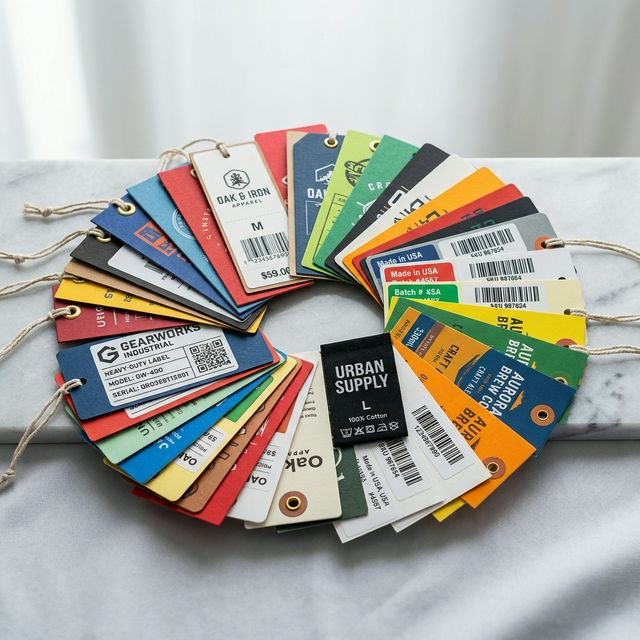
Water-Based Inks and the Shift to Cleaner Label Printing in 2026

Behind every printed label is an ink — and the type of ink matters more than ever for label printing. The industry is steadily shifting from solvent- and UV-based systems toward water-based inks, driven by sustainability, safety, and tightening regulations.
This quiet change has big implications for emissions, recyclability, and food-contact safety. At Navi Label Solutions, we help brands understand their ink options and make cleaner choices without sacrificing print quality.
1. Why Ink Type Matters
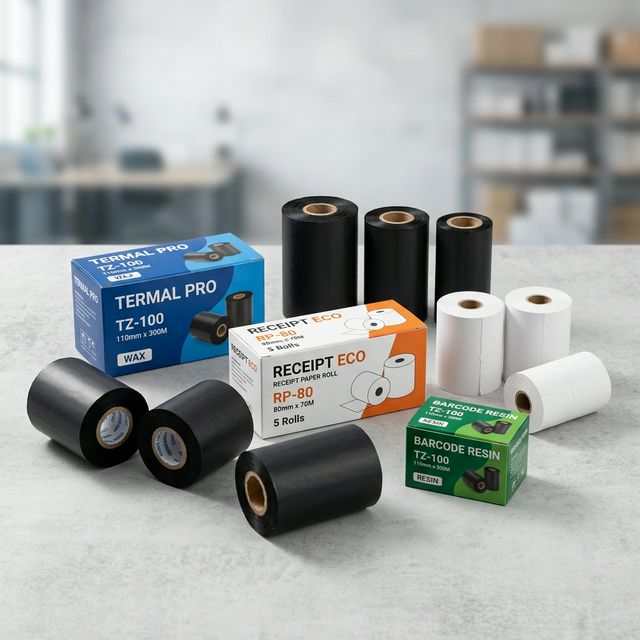
Inks are not just about color. The carrier that delivers the pigment determines emissions during printing, how safe the label is for food contact, and how easily the finished label can be recycled.
As environmental rules tighten and brands chase recyclability, the move toward cleaner inks has become a defining industry trend.
2. Solvent, UV, and Water-Based Inks
Three ink systems are common in label printing, each with trade-offs.
- Solvent-based: Durable but emits volatile organic compounds (VOCs).
- UV-cured: Fast and tough, but raises some recyclability and safety questions.
- Water-based: Lower emissions and safer for food contact, with improving durability.
- The direction: Water-based and low-migration inks are gaining ground fast.
3. The Benefits of Water-Based Inks

Water-based systems offer advantages that align with where the industry is heading.
- Lower emissions: Far fewer VOCs than solvent inks.
- Food-contact safety: Better suited to food and beverage packaging.
- Recyclability: Easier to fit into sustainable packaging streams.
- Workplace safety: Reduced odor and handling hazards.
4. Ink Systems Compared
| Factor | Solvent | UV-Cured | Water-Based |
|---|---|---|---|
| VOC emissions | High | Low | Very low |
| Food-contact fit | Limited | Varies | Strong |
| Durability | High | High | Improving |
| Sustainability | Low | Medium | High |
| Direction of travel | Declining | Stable | Growing |
5. Cleaner Printing Trends for 2026
Buyer’s guides for 2026 highlight water-based inks replacing UV and solvent systems for eco-friendly packaging. Alongside cleaner inks, the industry is adopting energy-efficient curing, low-migration formulations for food safety, and recyclable substrates — part of a broader push toward sustainable, compliant label production.
6. Choosing the Right Ink for Your Labels
Match the ink to your product and priorities. For food, beverage, and sustainability-focused brands, water-based inks are increasingly the natural choice. Where extreme durability is essential, UV or specialized systems may still play a role. The encouraging news is that water-based performance keeps improving, narrowing the gap every year.
Cleaner Ink Guidance
We help you weigh water-based, UV, and solvent inks against your sustainability, safety, and durability priorities.
Food-Safe Choices
Low-migration, water-based options suited to food and beverage packaging and tightening safety rules.
Quality Without Compromise
Advice on getting strong color and durability from cleaner inks as the technology continues to improve.
Want Cleaner-Printed Labels?
Interested in more sustainable label printing? Tell us your product, durability needs, and sustainability goals, and we’ll help you choose an ink and material combination that prints clean and performs well.
- Your product and packaging type
- Food-contact or safety requirements
- Durability the label needs
- Sustainability goals you want to meet
Label Ink FAQs
Are water-based inks as durable as solvent inks?
Historically solvent and UV inks led on durability, but water-based formulations have improved significantly. For most applications they now perform well, and they are often the better choice for food contact and sustainability.
Why are brands switching to water-based inks?
Water-based inks emit far fewer VOCs, are safer for food-contact packaging, and fit better into recyclable streams. Tightening environmental regulations and sustainability goals are accelerating the switch.
What are low-migration inks?
Low-migration inks are formulated to minimize the chance of ink components transferring into the packaged product, which is especially important for food, beverage, and pharmaceutical labels.