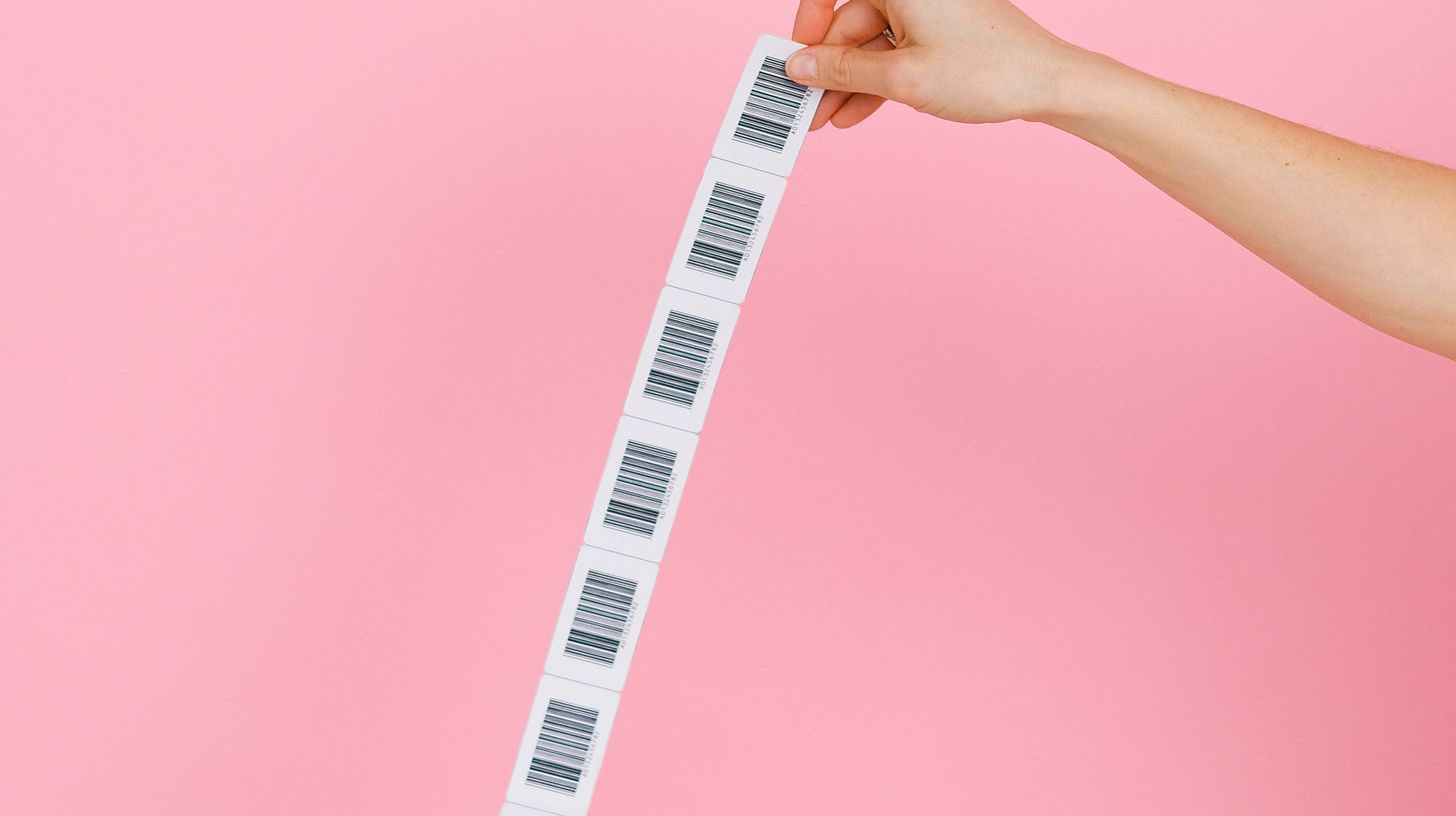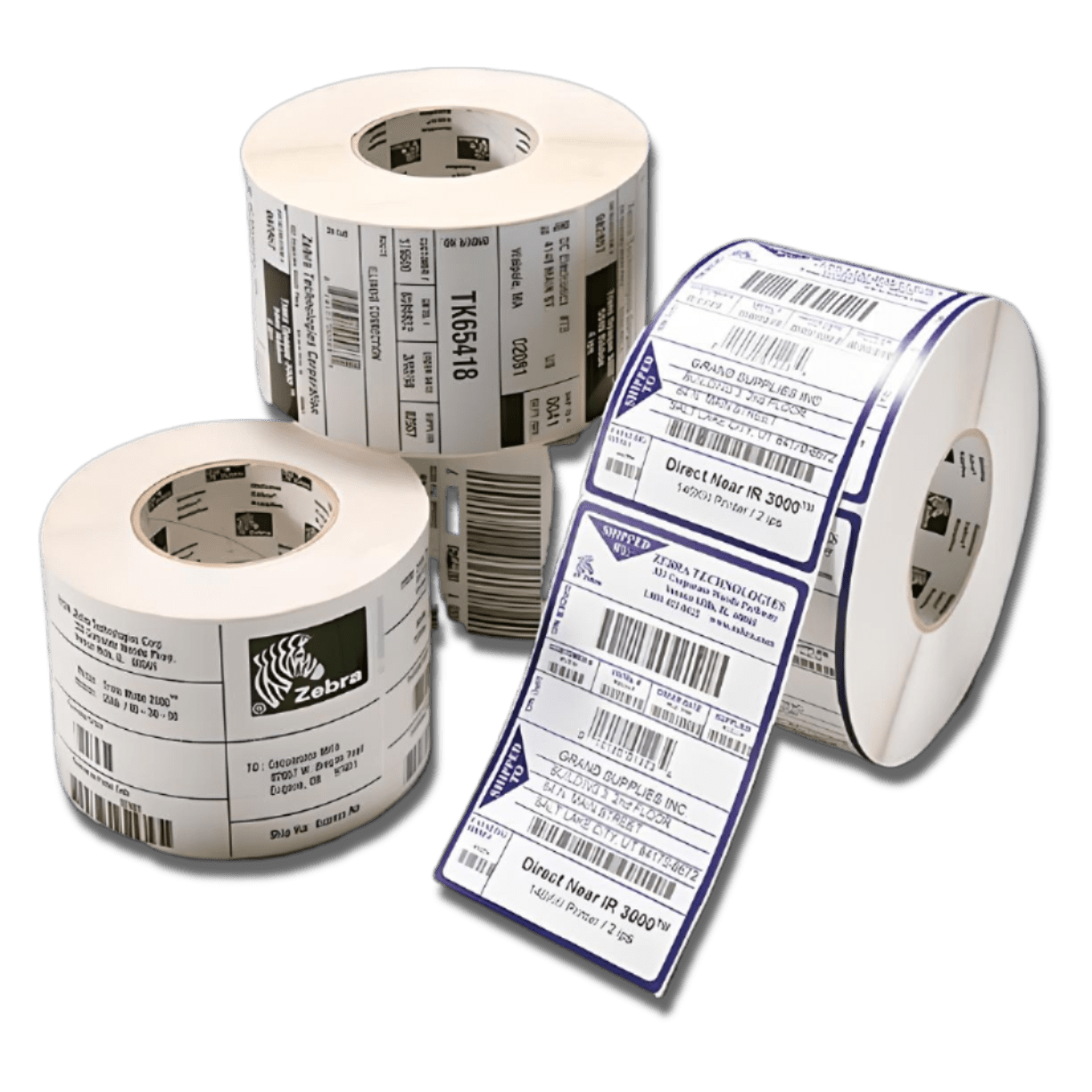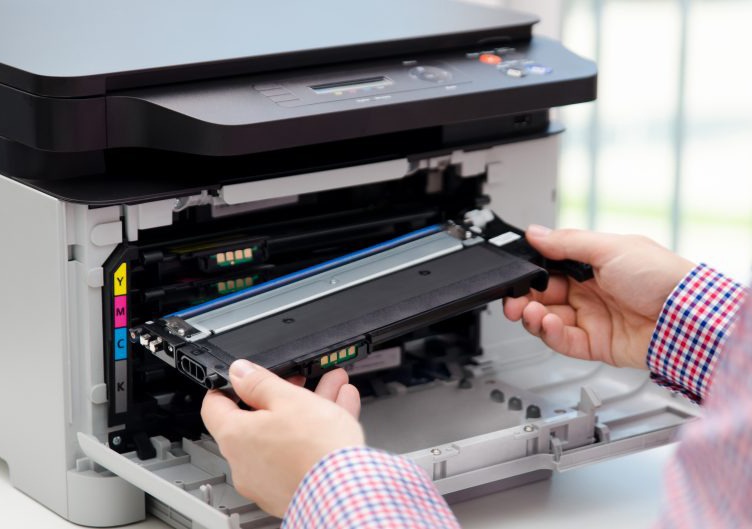
Barcode & QR Code Labels for Inventory and Traceability (2026 Guide)

A practical 2026 guide to barcode and QR code labels: how they differ, how to design labels that always scan, and how to choose the right option for traceability.
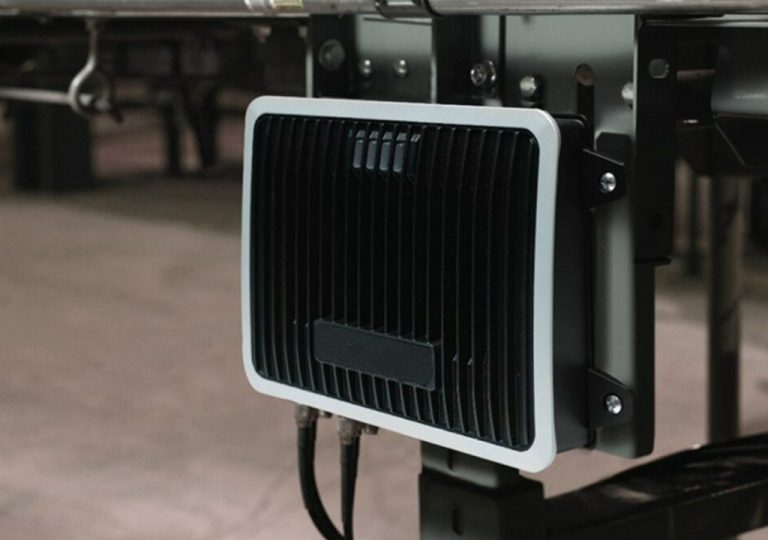
Classification of RFID readers
An RFID reader, also known as a radio-frequency identification reader, is a device used to collect information from RFID tags and track individual objects. Radio waves transmit data from the tag to the reader, following the global EPC...
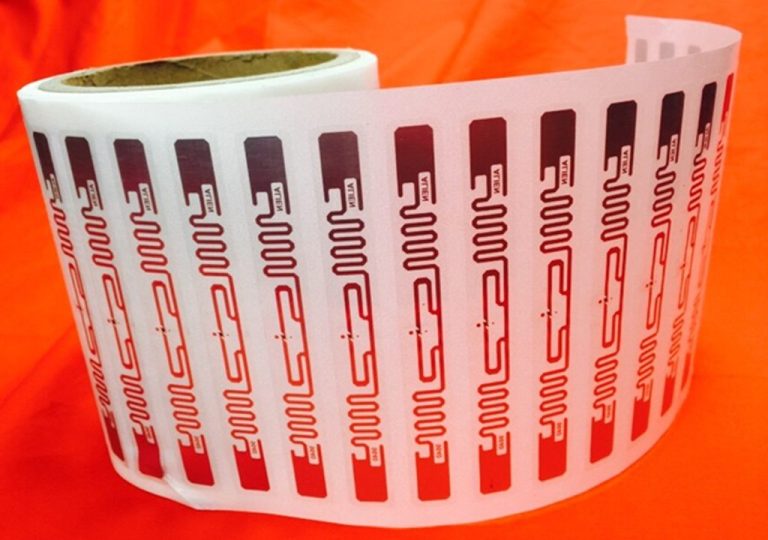
What is an RFID tag? Structure and types
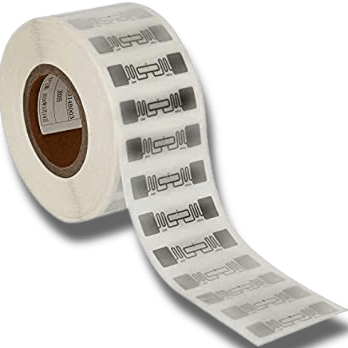
An RFID tag is the foundational element of any RFID system. But how is it built, how does it work, and how can businesses effectively apply RFID technology? RFID follows global standards maintained by GS1 EPC/RFID, and choosing...
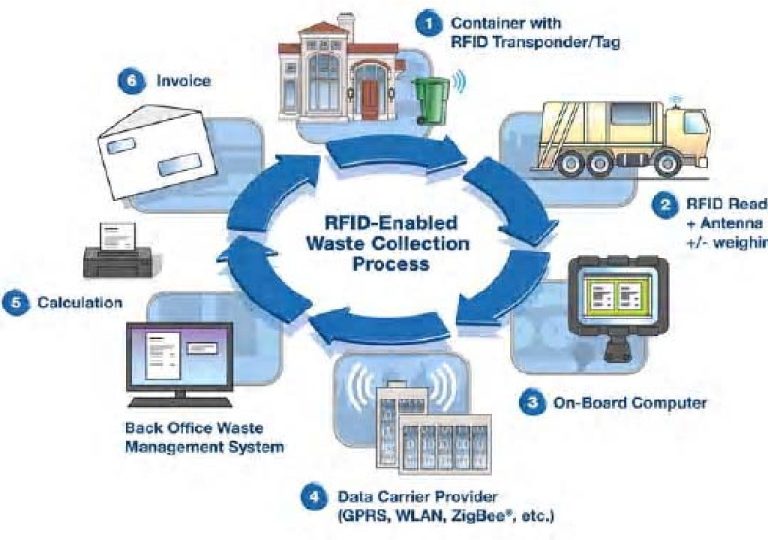
RFID Solution for Safe and Effective Medical Solid Waste Management
RFID medical waste tracking is transforming how hospitals, clinics, and healthcare facilities manage hazardous solid waste. It supports the safe handling practices recommended by the World Health Organization, and a reliable rollout starts with choosing the right labels...
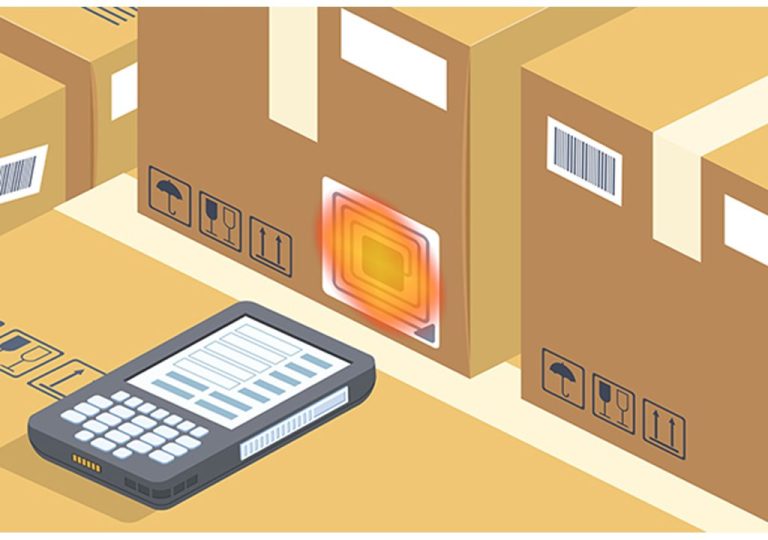
Applications of RFID in manufacturing management
RFID in manufacturing is becoming increasingly useful and widespread in enterprises, connecting machines, materials, and people in real time. Built on global standards from GS1 EPC/RFID, it delivers the most value when paired with the right labels for...
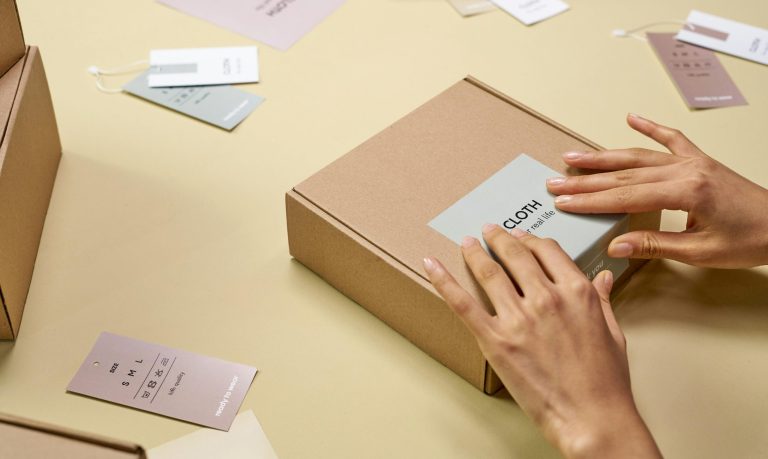
Choosing the Right Labels for Your Products
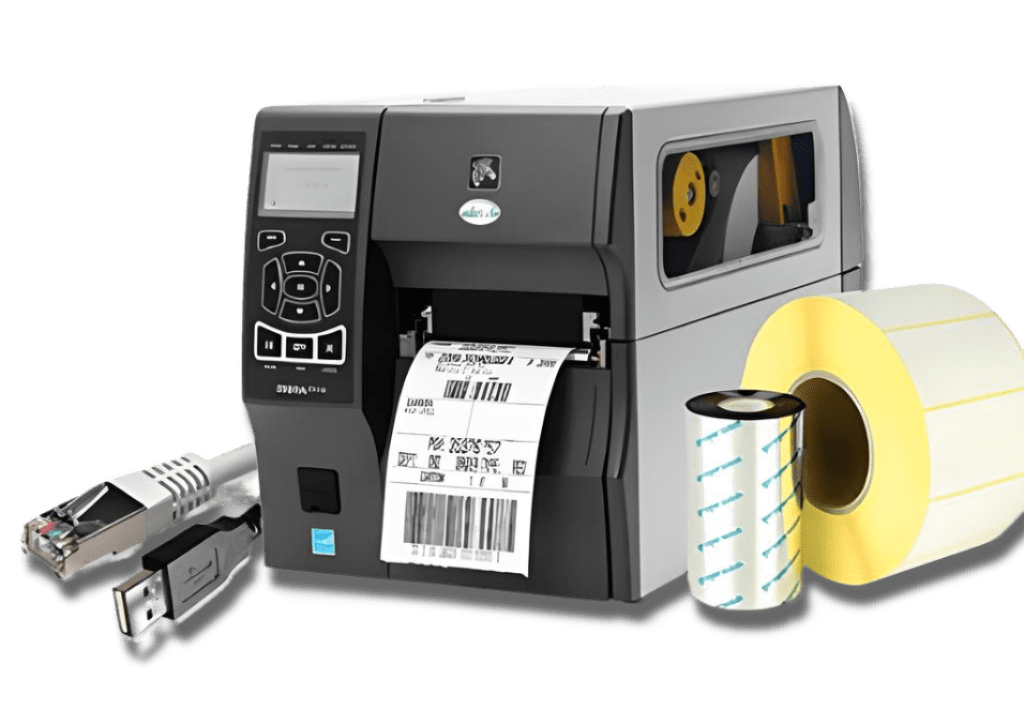
How to Choose the Right Decal Stickers, Hang Tags, Color Printed Labels and Thermal Transfer RibbonsChoosing the right label is not only about printing a product name or barcode. For many businesses, labels are part of daily operations,...

Label Printer Resolution Explained: 203, 300 and 600 dpi (2026)
Label printer resolution decides whether small text and dense codes stay readable. Compare 203, 300 and 600 dpi and pick the right printhead for your labels.