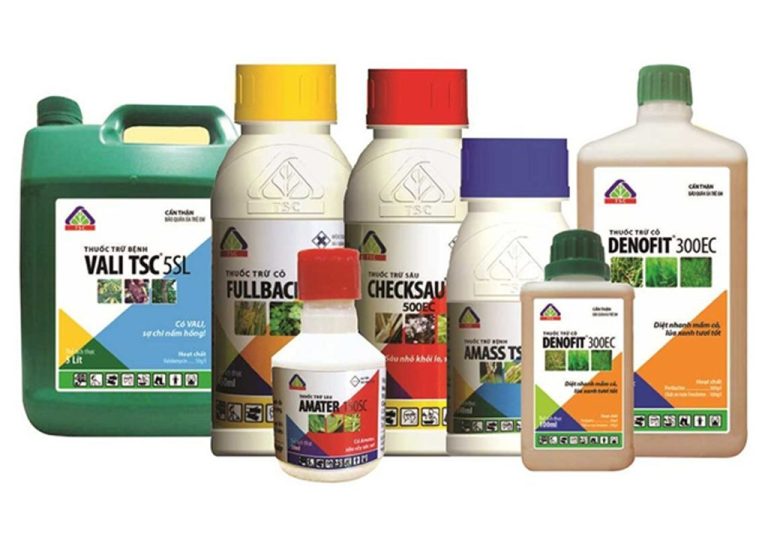
Lubricant and chemical labels

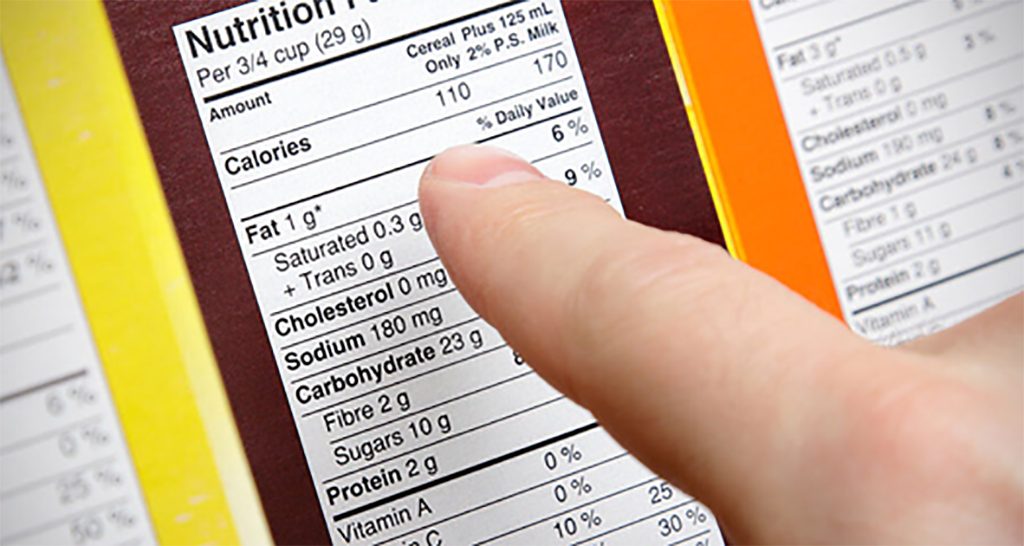
Chemical labels are essential for lubricants, oils and hazardous goods, carrying the safety, handling and compliance information that products in the chemical and oil and gas industries require. Chemical and petroleum labels are indispensable components in the chemical...

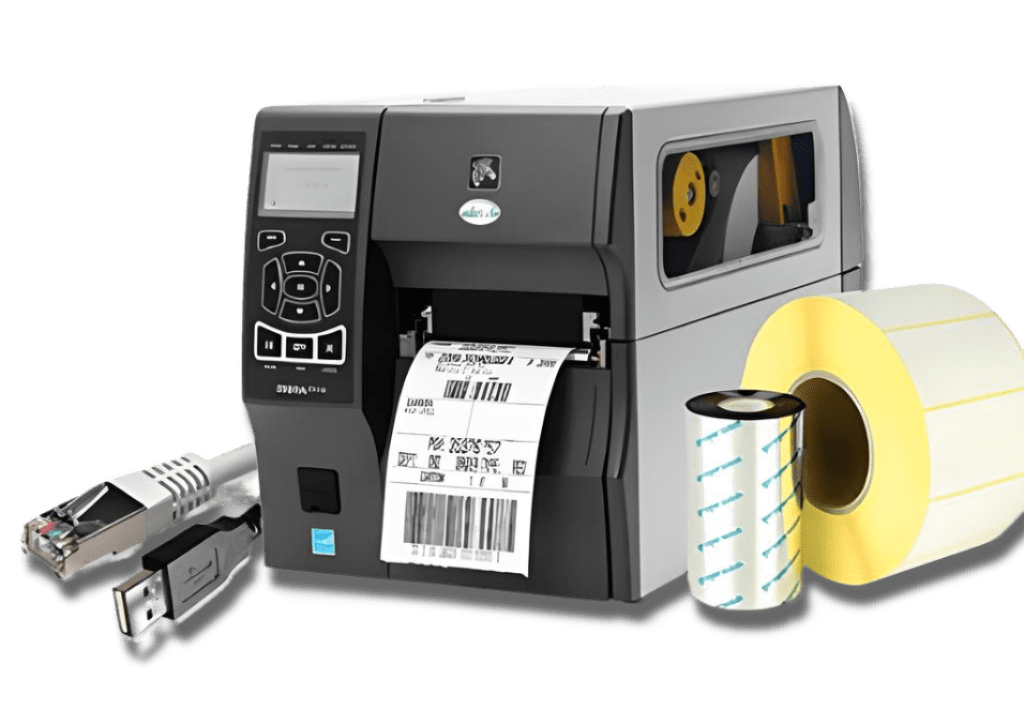
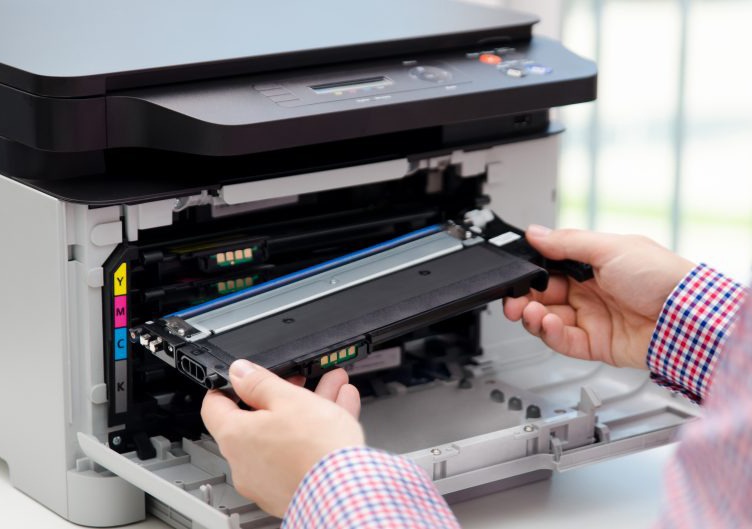
Label Printer Resolution Explained: 203, 300 and 600 dpi (2026)
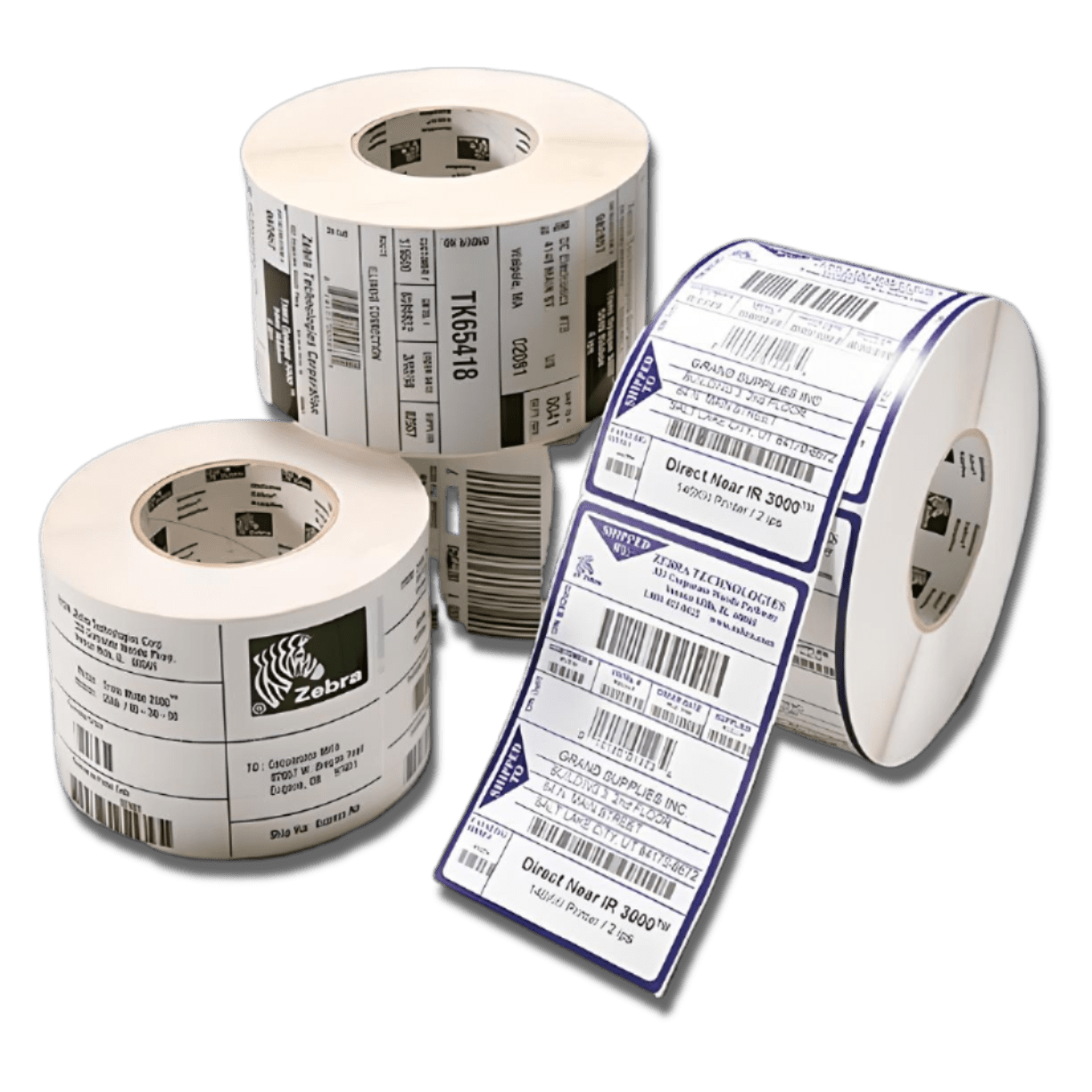
Label printer resolution decides whether small text and dense codes stay readable. Compare 203, 300 and 600 dpi and pick the right printhead for your labels.
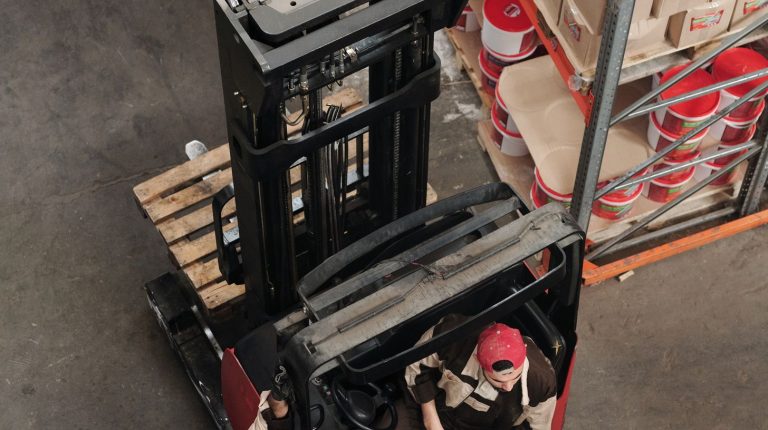
RFID Implementation Plan: From Pilot to Production Rollout (2026)
An RFID implementation plan that survives the warehouse floor: how to define read events, specify tagged items, run a pilot that proves something and scale.
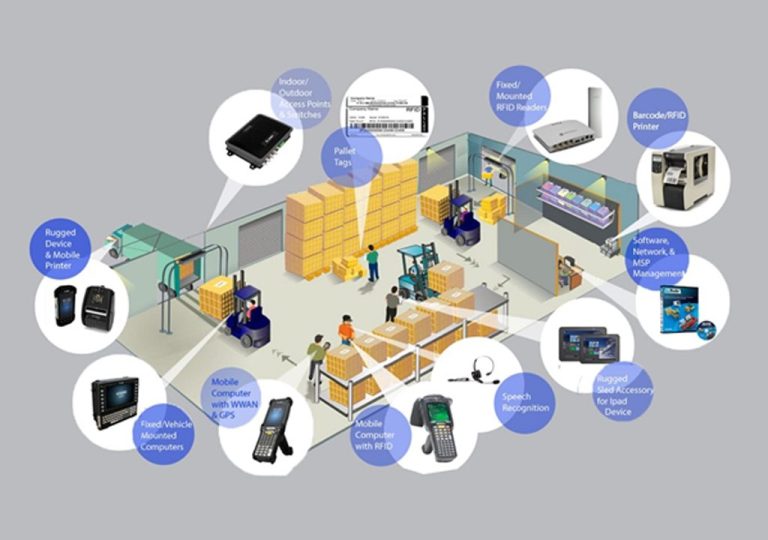
RFID technology in warehouse management
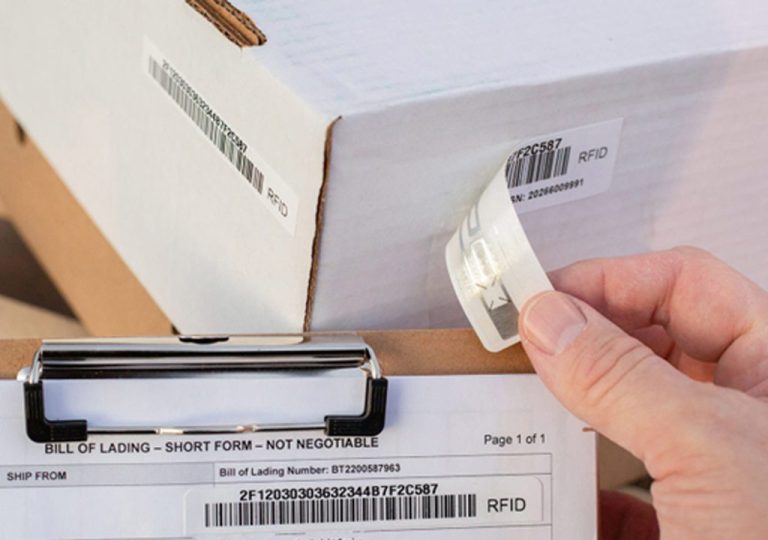
RFID in warehouse management uses radio waves to track inventory automatically, replacing slow manual scans with real-time visibility. Built on global standards from GS1 EPC/RFID, it performs best when paired with the right labels for your products.Radio Frequency...

Chemical Drum Labels: BS 5609 and GHS Guide (2026)
What makes chemical drum labels survive UV, solvents and seawater: BS 5609:2024, GHS content rules, material and print method comparison, and the 2026 regulatory changes.
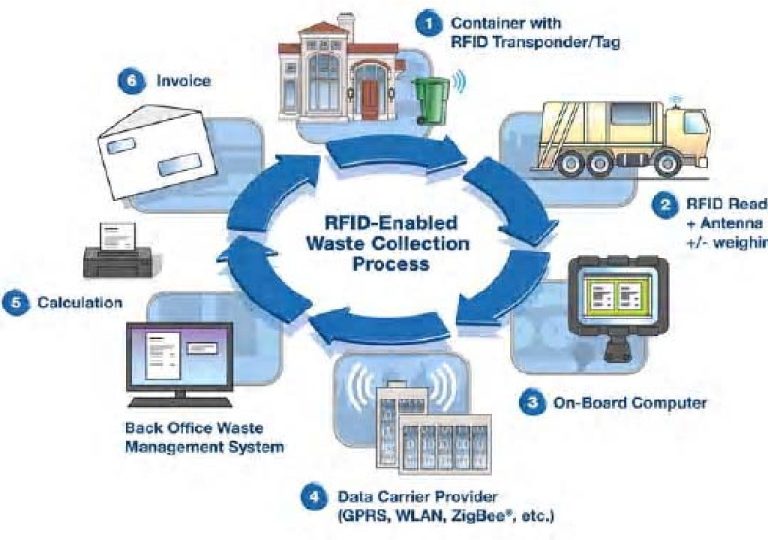
RFID Solution for Safe and Effective Medical Solid Waste Management
RFID medical waste tracking is transforming how hospitals, clinics, and healthcare facilities manage hazardous solid waste. It supports the safe handling practices recommended by the World Health Organization, and a reliable rollout starts with choosing the right labels...
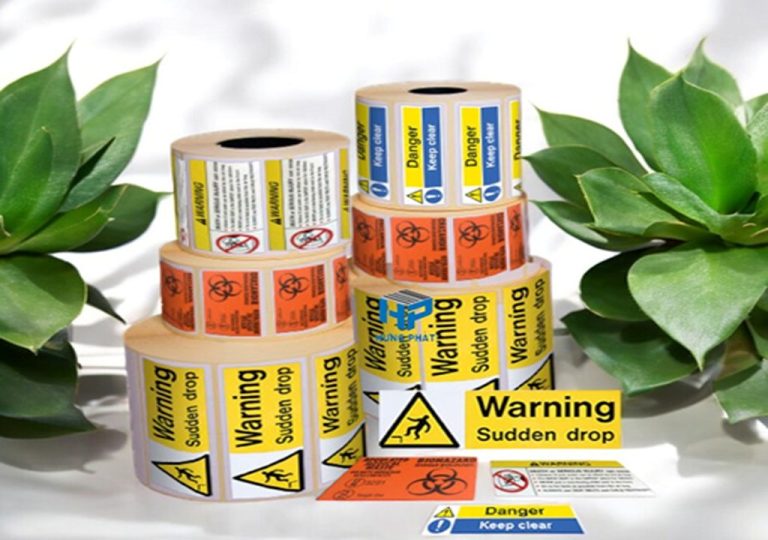
Warning label decals
Warning label decals play a vital role in ensuring safety and conveying essential messages across various industries. From transportation to workplaces and healthcare settings, warning decals help prevent accidents and reduce the risk of regulatory violations. Eye-catching colors,...