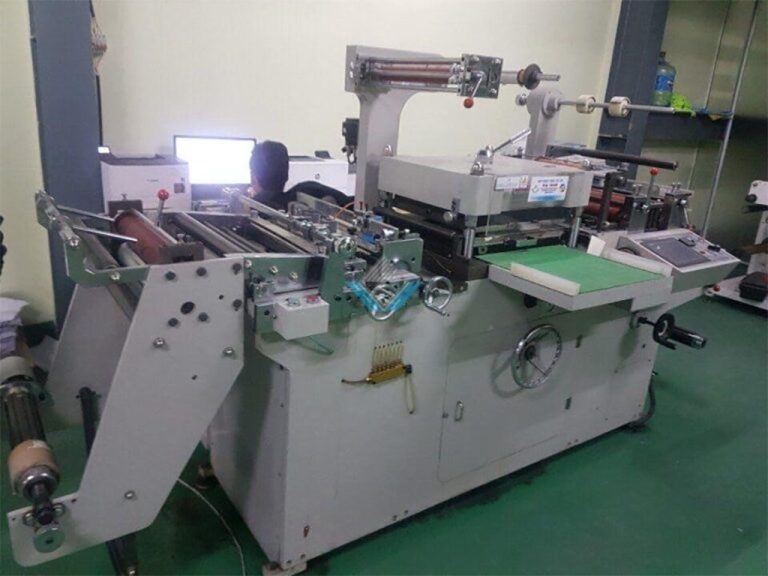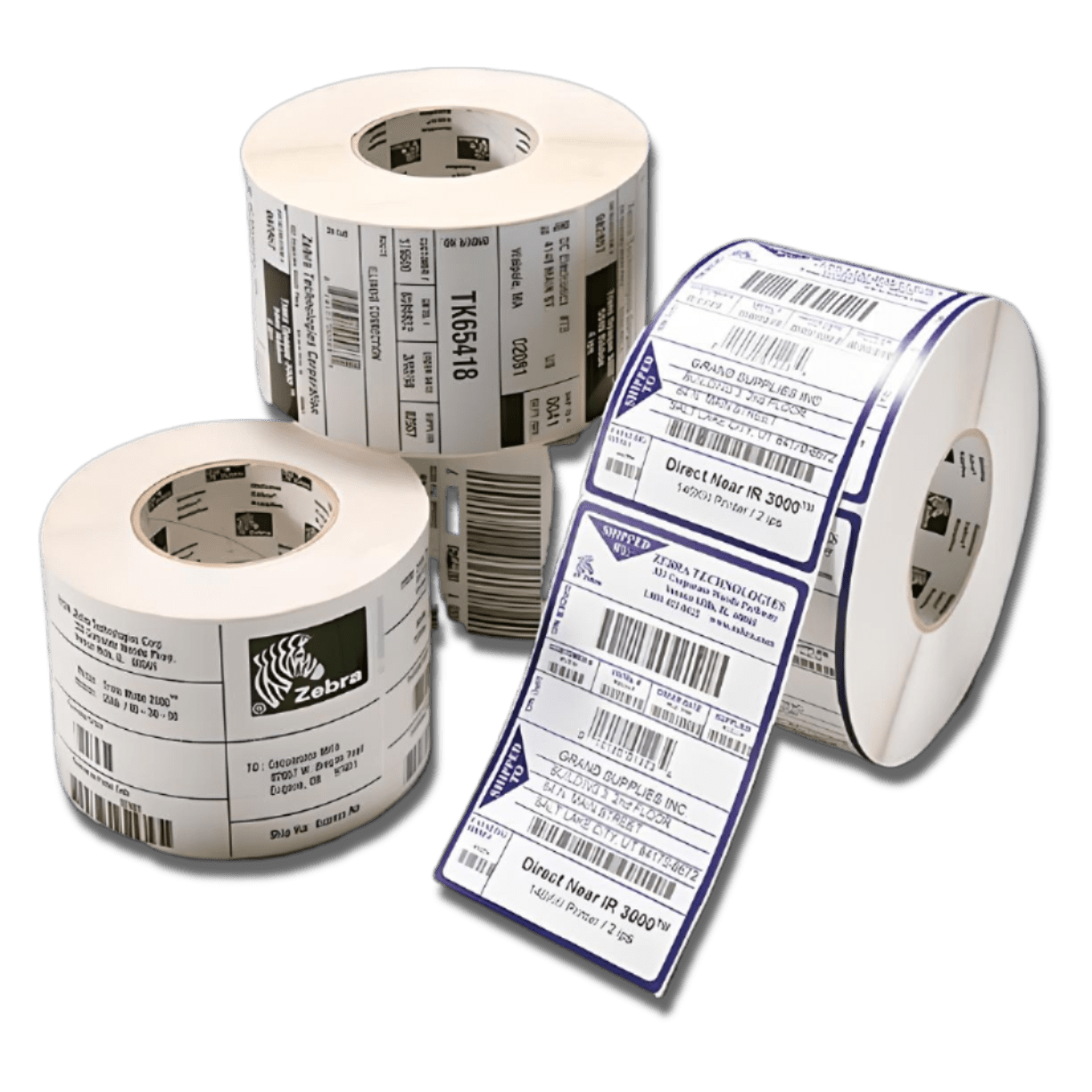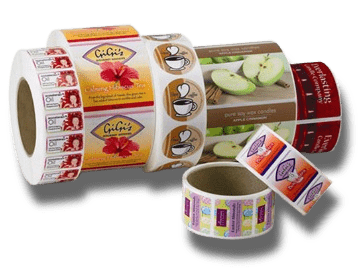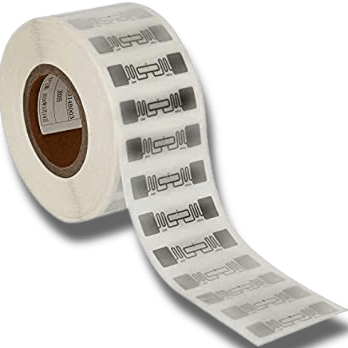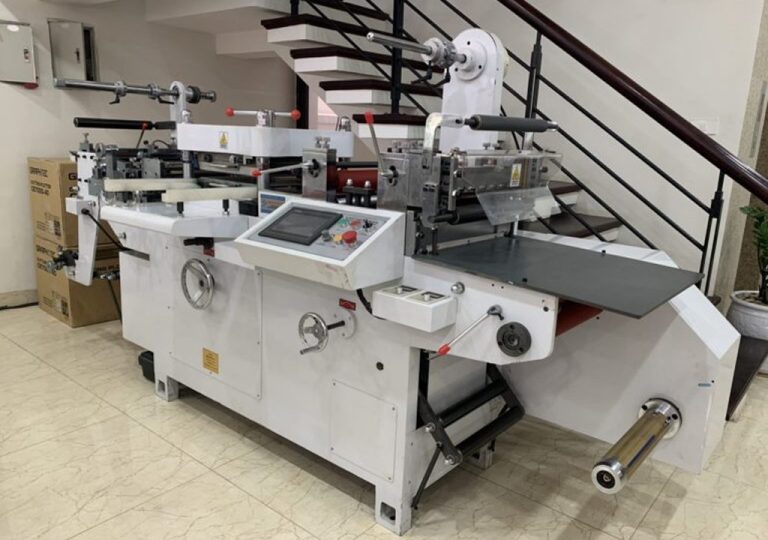
Die-cut finishing and roll label die-cutting machines

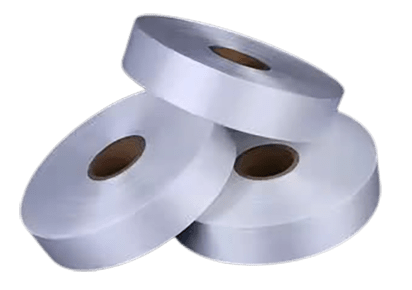
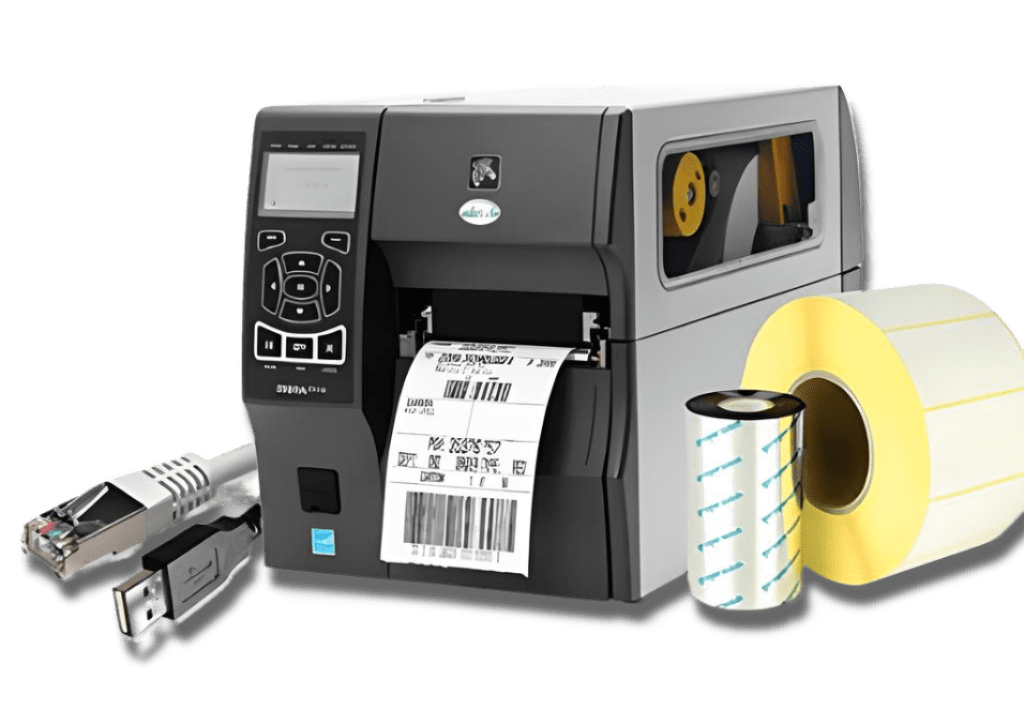
Label production guideDie-Cut Finishing and Roll Label Die-Cutting Machines: What Label Businesses Should KnowA printed label only becomes a usable product after finishing. Die-cutting, matrix stripping, slitting and rewinding decide whether the final roll runs smoothly on applicators,...
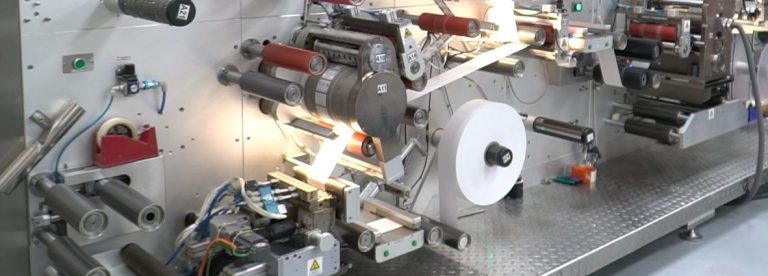
Logistics & Shipping Labels for Warehouse Efficiency (2026 Guide)
A 2026 guide to shipping and logistics labels — materials, durable print, scannable barcodes, and placement — to keep warehouses fast and deliveries on track.
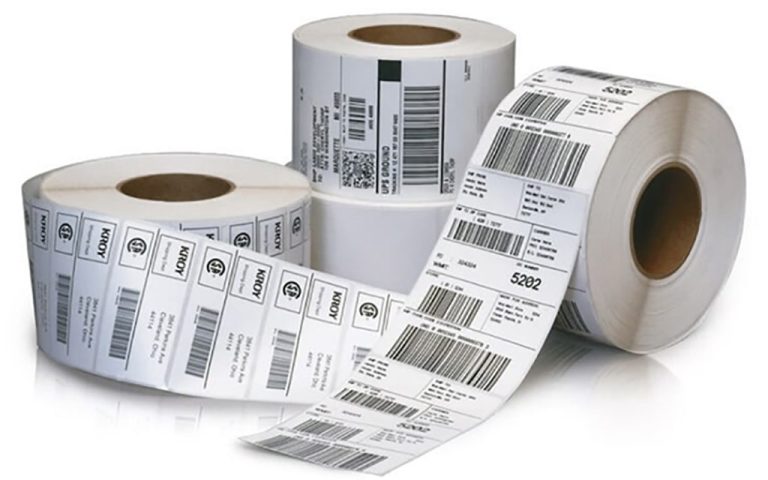
Cold Storage & Freezer Labels That Stay Stuck (2026 Guide)
Learn how freezer and cold storage labels are engineered to resist frost and condensation, which adhesives and materials to use, and how to stop labels peeling in 2026.

Barcode Scanner Types Explained: Choosing the Right Reader (2026)
Barcode scanner types compared for 2026: laser, linear imager and 2D imager engines, plus form factors and connectivity tips to pick the right reader fast.
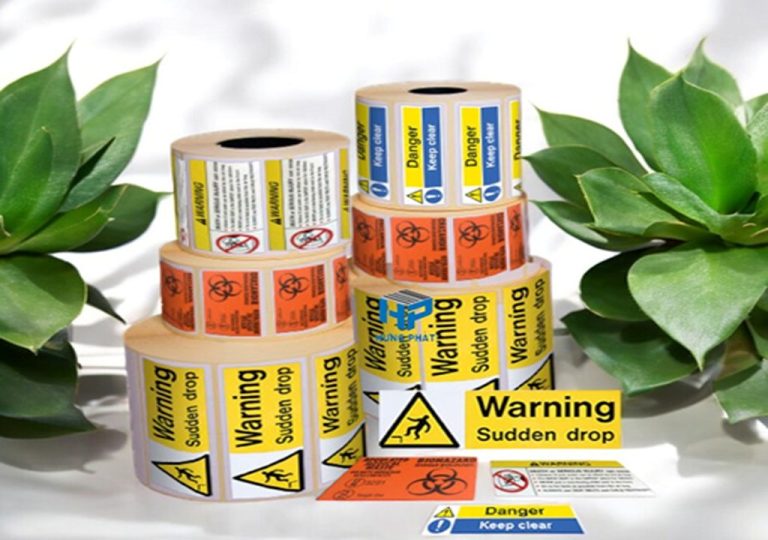
Warning label decals
Warning label decals play a vital role in ensuring safety and conveying essential messages across various industries. From transportation to workplaces and healthcare settings, warning decals help prevent accidents and reduce the risk of regulatory violations. Eye-catching colors,...

Label Printer Resolution Explained: 203, 300 and 600 dpi (2026)
Label printer resolution decides whether small text and dense codes stay readable. Compare 203, 300 and 600 dpi and pick the right printhead for your labels.
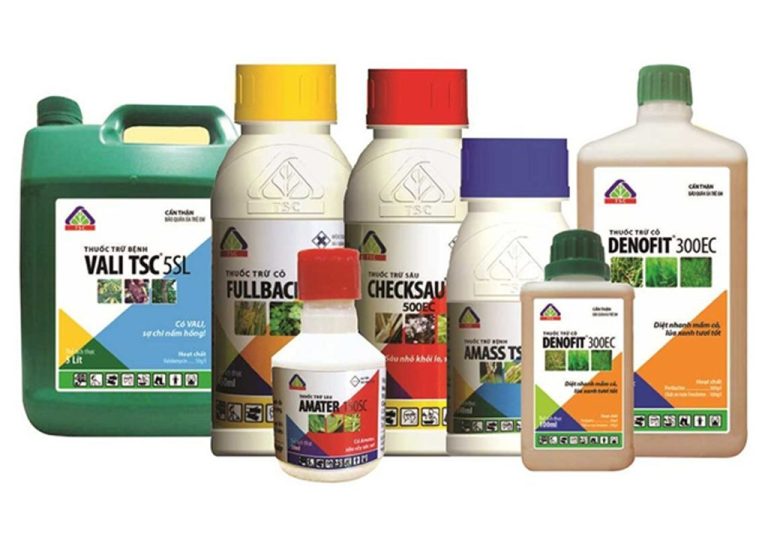
Lubricant and chemical labels
Chemical labels are essential for lubricants, oils and hazardous goods, carrying the safety, handling and compliance information that products in the chemical and oil and gas industries require. Chemical and petroleum labels are indispensable components in the chemical...